For South Florida bayfront buyers, the purchase price is only one layer of ownership. Special-assessment culture can reshape carrying cost, liquidity, negotiation strategy and long-term comfort in ways that deserve close review before contract.
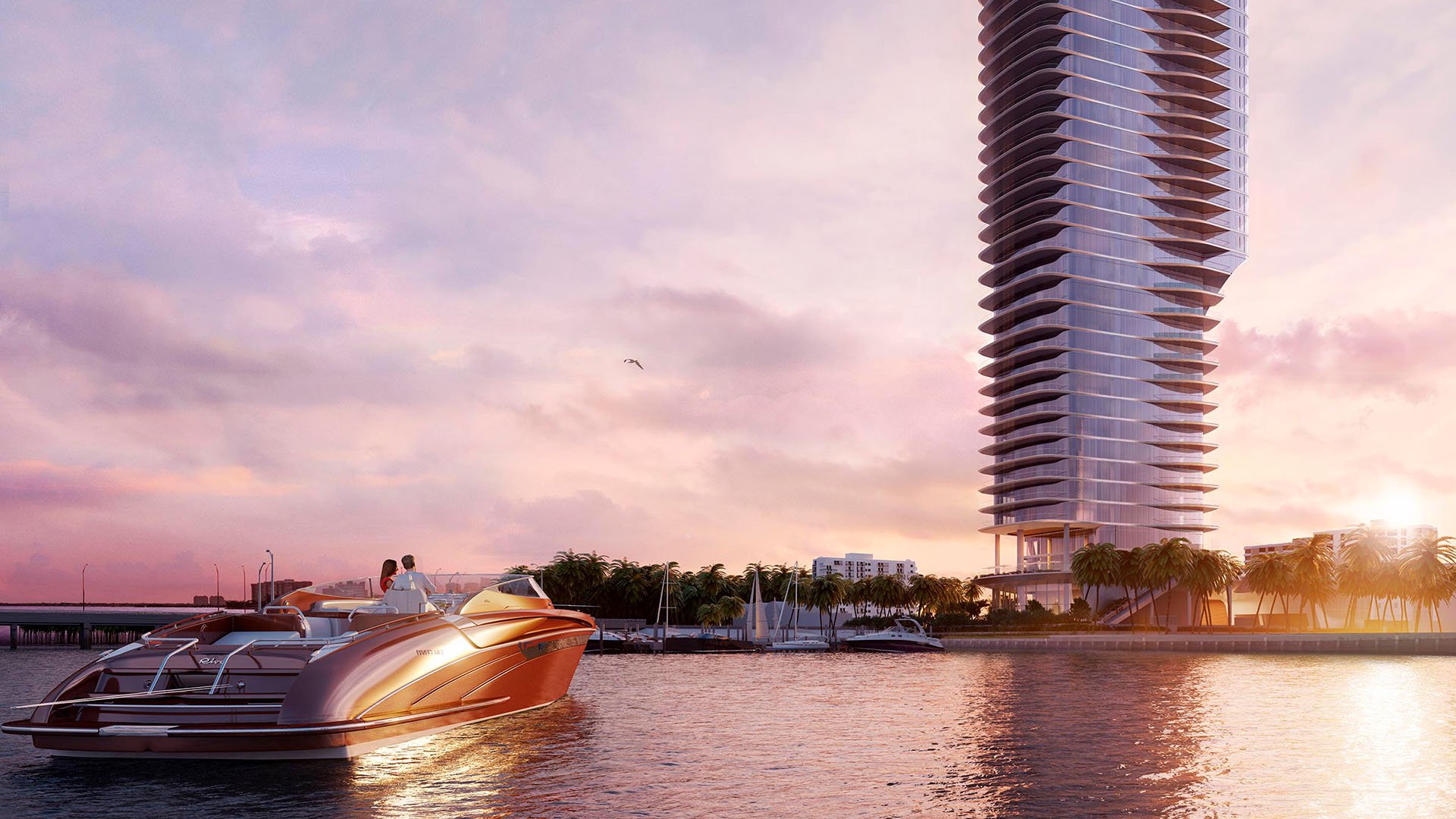
A South Florida bayfront residence is often purchased in the language of light, privacy and horizon. The first impression may be a wall of glass over Biscayne Bay, the Intracoastal or a protected waterway. Yet the long-term experience of ownership is shaped as much by the building’s financial culture as by its architecture. In particular, the way a condominium handles special assessments can quietly change the real cost of a residence.
For sophisticated buyers, the question is not whether a building will ever require capital work. Coastal properties operate in a demanding environment, and responsible maintenance is part of value preservation. The sharper question is cultural: does the association anticipate, reserve and communicate, or does it defer, surprise and react? Two residences with similar purchase prices can produce very different ownership outcomes if one is governed by disciplined planning and the other relies on recurring emergency funding.
This is why bayfront due diligence should extend beyond the usual comparison of views, floor plans and amenity programs. The buyer who understands special-assessment culture is not simply trying to avoid a fee. They are reading the building’s character.
A special assessment is best understood as a signal. It may fund necessary improvements, replenish capital, address delayed maintenance or support a project that monthly dues did not fully anticipate. In a well-run building, an assessment may be communicated clearly, supported by credible planning and aligned with a visible long-term strategy. In a weaker culture, assessments can become a pattern of financial patchwork.
The distinction matters because luxury buyers often focus on monthly carrying costs. That number is useful, but incomplete. A low monthly association fee can look elegant on a listing sheet while masking years of underfunding. Conversely, a higher monthly fee may reflect a board that prefers steady contributions over disruptive surprises. Neither figure tells the full story without a review of reserves, meeting minutes, maintenance priorities and pending projects.
In premium bayfront buildings, assessment culture also affects buyer psychology. A residence may be visually impeccable, yet uncertainty around future funding can narrow the pool of purchasers. The market often rewards clarity. Buyers can accept cost when it is transparent, justified and professionally managed. They are less forgiving when capital needs feel indefinite.
Waterfront living asks more of a building. Salt air, wind exposure, mechanical systems, terraces, glazing, seawalls, docks, pools and landscaped podiums all require attention. Even when a residence is newly renovated, the common elements carry their own timeline. A buyer is purchasing into the entire vertical estate, not only the private interior.
This is where the conversation shifts from glamour to stewardship. The best bayfront addresses treat maintenance as part of the brand. They do not rely on the romance of the view to excuse financial ambiguity. A polished lobby, a serene pool deck and a discreet valet experience are only as durable as the capital plan behind them.
For buyers comparing neighborhoods, the same principle applies across the market. In Brickell, a tower such as Una Residences Brickell may be evaluated not only for its waterfront presence, but also for the clarity of its ownership structure and future operating expectations. On Miami Beach, residences such as The Perigon Miami Beach invite a similar lens: what will it cost to preserve the experience promised at delivery?
In the ultra-premium segment, governance is no longer a back-office concern. It is a lifestyle feature. A strong board, professional management, thoughtful budgeting and transparent communication can make daily ownership feel calm. Poor governance can make even a spectacular residence feel unpredictable.
Buyers should pay attention to the tone and substance of association records. Are capital projects discussed before they become urgent? Are reserves treated as a living financial tool or as a cosmetic line item? Are owners accustomed to disciplined funding, or is every major project met with resistance? These questions help reveal whether the building has a culture of preservation or postponement.
Special assessments are not automatically negative. In some cases, they reflect responsible action. A building that chooses to invest in its infrastructure may be protecting its long-term position. The concern is not the existence of an assessment; it is the pattern, scale, communication and rationale. A single well-explained assessment is very different from a recurring rhythm of surprise requests.
In Sunny Isles, where trophy towers compete on architecture, service and oceanfront identity, buyers looking at St. Regis® Residences Sunny Isles or similar offerings may find that governance quality becomes part of the value conversation. In Bay Harbor, boutique scale can make board culture even more visible, particularly in settings such as Onda Bay Harbor, where a smaller ownership body may produce a more intimate, but also more concentrated, financial dynamic.
Special-assessment culture changes the negotiating table. If an assessment is pending, recently approved or widely anticipated, buyers may seek concessions, credits or contractual protections. Sellers may need to clarify whether amounts have been paid, whether future installments remain and whether additional work is expected. The cleanest negotiations occur when everyone understands the building’s financial horizon before price is finalized.
Liquidity can also be affected. A residence in a building with a reputation for sudden assessments may require more explanation to future buyers. That does not mean it cannot sell well. It means the story must be complete. High-net-worth purchasers are comfortable with sophisticated assets, but they expect disclosure, documentation and logic.
For a bayfront owner, this has practical consequences. The apparent discount on an older residence may disappear when future capital calls are considered. The premium on a newer building may feel more rational if the early years provide clearer budgeting and fewer immediate legacy repairs. New construction is not a guarantee against future assessments, but it can reset the discussion around systems, reserves and early capital planning.
The goal is not to avoid every building with an assessment history. The goal is to price risk with precision.
Before committing to a bayfront condominium, a buyer should ask for the current budget, reserve schedule, recent meeting minutes, insurance information, pending capital projects and any notices related to assessments. These materials should be reviewed with appropriate legal, financial and building professionals. The aim is to understand both the numbers and the culture behind them.
Look for consistency. Does the association plan ahead? Do minutes show unresolved maintenance debates? Are increases framed as thoughtful stewardship or reluctant reaction? Is there a history of owners resisting necessary work? In luxury real estate, hesitation around maintenance can be expensive.
Buyers should also separate personal upgrades from building-wide obligations. A residence with a flawless interior may still participate in future assessments for elevators, structural elements, mechanical systems, exterior surfaces, life-safety systems, waterfront components or amenities. The private home and the common building are financially connected.
For search taxonomy, buyers often group opportunities by Brickell, Miami Beach, Sunny Isles, Bay Harbor, Waterview and New Construction, but the more refined filter is financial temperament. A beautiful view is immediate. A building’s funding culture reveals itself over time.
The modern South Florida buyer is increasingly fluent in the total cost of ownership. Prestige still matters. Architecture still matters. Service, privacy and arrival still matter. But the most resilient purchases tend to combine beauty with credible stewardship.
A bayfront residence should feel effortless, yet effortlessness is constructed. It comes from preventive maintenance, careful budgeting, timely communication and owners who understand that luxury buildings require continuous investment. Special assessments are one window into that reality. They show whether a community treats the asset as a shared legacy or a series of deferred invoices.
For the buyer, the advantage is clear. When assessment culture is understood before purchase, it becomes a tool rather than a surprise. It can inform the offer, shape the contract, clarify the hold period and protect the sense of ease that drew the buyer to the water in the first place.
What is a special assessment in a condominium? It is an additional charge to owners, separate from regular dues, typically used to fund a specific building need or capital project.
Are special assessments always a warning sign? No. A well-explained assessment can reflect responsible stewardship, while repeated surprise assessments may suggest weaker planning.
Why do bayfront buildings need closer financial review? Waterfront properties often have more exposure-sensitive common elements, making maintenance planning especially important.
Can low monthly dues be misleading? Yes. Low dues may be attractive, but buyers should confirm whether reserves and capital needs are being adequately addressed.
Should a buyer review association minutes? Yes. Minutes can reveal discussions about repairs, owner concerns, future projects and the board’s overall approach.
Can an assessment affect resale value? It can influence buyer confidence, negotiation strategy and perceived risk, especially if future costs are unclear.
Who should review condominium financial documents? Buyers should involve qualified legal, financial and building professionals before making a final decision.
Is new construction free from assessment risk? No building is entirely free from future capital needs, but newer properties may offer a clearer starting point.
What matters more, the amount or the pattern? Both matter, but the pattern and communication around assessments often reveal the deeper culture of the building.
What is the best way to shortlist comparable options for touring? Start with location fit, delivery status, and daily lifestyle priorities, then compare stacks and elevations to validate views and privacy.
For a tailored shortlist and next-step guidance, connect with MILLION.
If branded residences are on your mind — as a home or as an allocation — we would be glad to share what we are seeing, privately.
Begin a quiet conversation