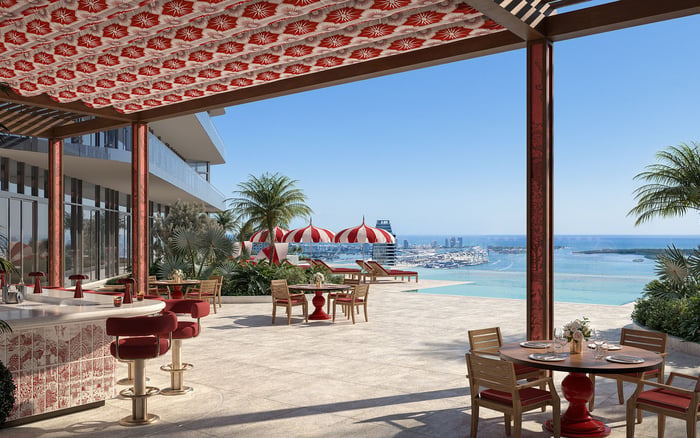
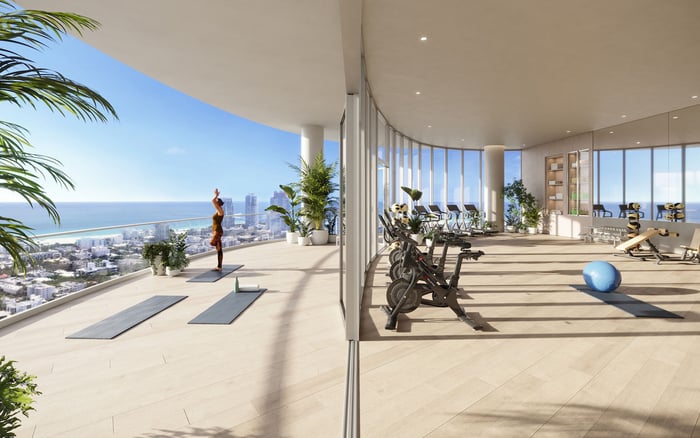
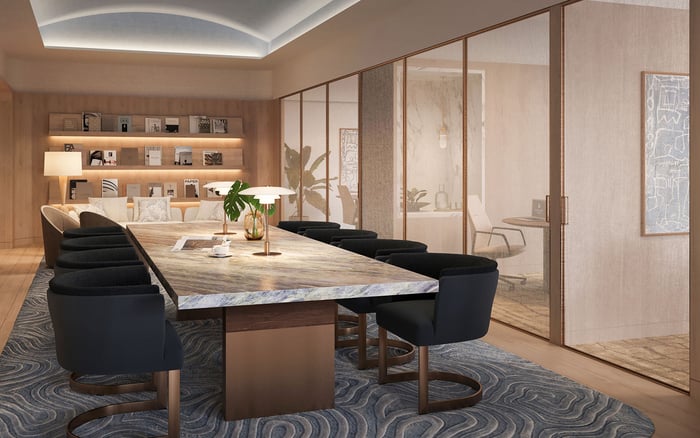
Restaurant access can reshape the value equation for private-club residences in South Florida. For affluent buyers, the issue is not simply privacy versus energy, but how nonresident dining affects dues, staffing, reservations, resale appeal, and the daily experience of ownership.
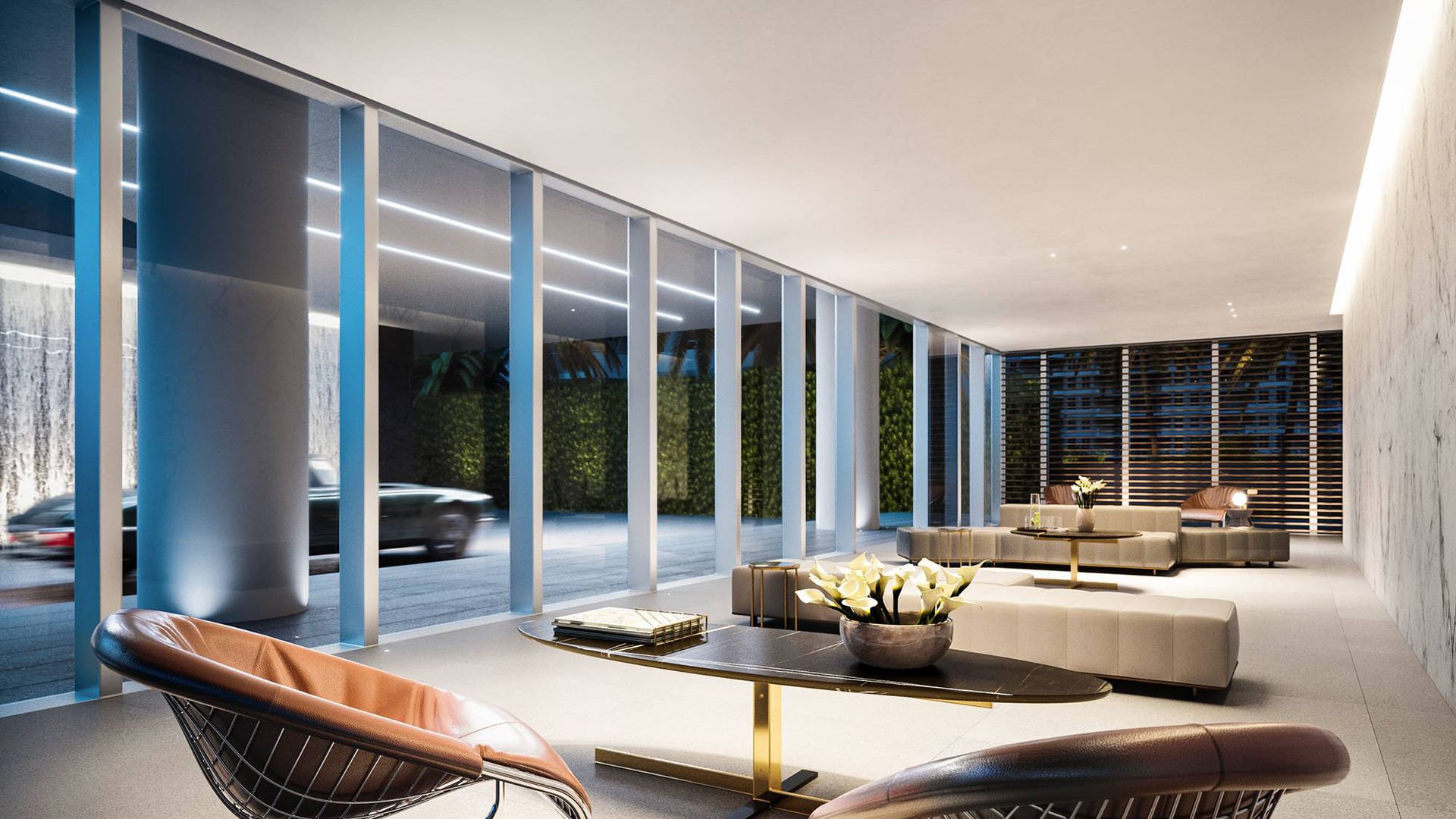
For a South Florida buyer considering a private-club residence, the dining room is no longer a decorative amenity. It is part of the asset. A restaurant that admits nonresidents, even selectively, can alter the economics of ownership, the rhythm of daily life, and the long-term identity of the address.
The question is not whether public energy is good or bad. In the right setting, outside patrons can support a deeper hospitality program, more consistent staffing, and a livelier culinary calendar. In the wrong structure, they can crowd the valet, complicate reservations, and make a residence feel less private than its marketing suggests.
That distinction matters in markets where private-club living overlaps with waterfront towers, golf communities, marina residences, and branded hospitality. At Shell Bay by Auberge Hallandale, buyers are drawn to the broader promise of club life in Hallandale Beach, while in Brickell, concepts such as ORA by Casa Tua Brickell show how food, social life, and residential value increasingly share the same conversation.
Most buyers understand dues, assessments, and minimums. Fewer underwrite access. Yet access is often where real value is either created or eroded.
A private restaurant with resident priority can operate as an extension of the home. It reduces the need to plan, makes entertaining easier, and gives owners a reliable third place beyond the residence and pool deck. If nonresidents are admitted under defined terms, the experience can remain controlled while the operation becomes financially stronger.
If access is loose, the cost can surface in softer but meaningful ways: longer waits, less spontaneous use, more noise at arrival areas, and a subtle loss of ownership psychology. A buyer may still love the food, but if the resident cannot secure a table at the moments that matter, the amenity becomes performative rather than practical.
This is where Pricing & Trends becomes more nuanced. A residence with an acclaimed dining concept does not automatically command a durable premium. The premium attaches to the owner’s dependable use of that restaurant.
There are cases where nonresident access can be a strength. A restaurant that serves more than the resident base may attract stronger culinary talent, maintain more ambitious hours, and create a more sophisticated social atmosphere. For seasonal owners, that can be especially valuable. A dining room that depends only on residents may feel quiet during certain periods, while a carefully opened venue can retain momentum.
The best version is curated rather than public: invitation-based access, member-hosted guests, limited outside reservations, hotel or club reciprocity, or specific dining windows. These structures can protect resident priority while giving the operator enough volume to sustain excellence.
For buyers comparing branded or hospitality-forward addresses, the same principle applies across geographies. In Boca Raton, The Residences at Mandarin Oriental Boca Raton sits in a market where service expectations are already high. In Palm Beach Gardens, The Ritz-Carlton Residences® Palm Beach Gardens appeals to owners who tend to scrutinize daily service, not just architectural presentation. Restaurant access, in this context, is part of the operating model.
The risk is not simply that outsiders are present. The risk is that the property loses its hierarchy.
In a true private-club residence, owners should understand who receives priority, who may book peak times, how far in advance residents can reserve, whether guests must be accompanied, and what happens during holidays or major local events. If those rules are vague, the buyer is accepting operational uncertainty.
There is also a security and circulation component. A restaurant that draws nonresidents requires thoughtful arrival sequencing. The most successful buildings separate the social path from the residential path wherever possible, or at least manage the overlap with discretion. Valet, lobby adjacency, elevator control, and staff training all matter.
For high-net-worth buyers, privacy is not only visual. It is behavioral. It is the confidence that a quiet dinner remains quiet, that a guest arrival does not feel like hotel check-in, and that the owner is not competing with a broader audience for the best of the property.
Before assigning value to a private-club restaurant, buyers should ask practical questions in writing.
Who owns or controls the restaurant operation? Are residents guaranteed priority reservations? Can nonresidents book directly, or only through members, hotel guests, or club relationships? Are there dining minimums, annual food and beverage commitments, or separate club dues? Can policies change by board vote, operator decision, or developer control period?
Buyers should also examine the financial alignment. If nonresident dining revenue helps offset operating pressure, that may support a more resilient service model. If outside access primarily benefits the operator without enhancing the resident experience, the owner may be absorbing the inconvenience without receiving enough value.
This is especially important in Investment decisions. A future purchaser will not only ask whether the building has a restaurant. They will ask whether owners can use it when they want, whether it feels exclusive, and whether the access rules have remained stable.
In resale, dining access can become a headline feature or a difficult explanation. The difference is clarity.
A listing that can state resident-priority dining, controlled guest privileges, and a well-managed club environment has a cleaner story. It speaks to ease, status, and lifestyle. A listing that has to explain crowding, restricted tables, or ambiguous access loses momentum, even if the restaurant itself is excellent.
This is why Lifestyle and finance are inseparable at the top end. The buyer is purchasing convenience, discretion, and social architecture. In Coconut Grove, for example, Vita at Grove Isle reflects the appeal of an island-like residential setting, where the perception of controlled access can be central to value. Across South Florida, the more private the promise, the more carefully buyers should evaluate every point where nonresidents enter the experience.
The most valuable private-club residences are not necessarily the quietest, nor are they the busiest. They offer controlled vitality. They feel alive when owners want energy and protected when owners want retreat.
Restaurant access for nonresidents can support that balance when rules, architecture, and governance are aligned. It can undermine it when access is treated as a revenue lever without equal attention to resident priority. For the luxury buyer, the dining room should be analyzed like a marina slip, a golf membership, or a staffed wellness suite: not as a brochure image, but as an operating right.
The correct question is simple. Does the restaurant make ownership easier, more pleasurable, and more valuable, or does it make the residence feel less like a private domain? In South Florida, where hospitality and residential design increasingly converge, that answer may influence the real cost of ownership more than the menu ever will.
Why does nonresident restaurant access matter in a private-club residence? It can affect privacy, reservation availability, staffing levels, and the overall sense of exclusivity that supports value.
Is nonresident dining always negative for owners? No. Carefully limited access can support stronger restaurant operations while preserving resident priority and atmosphere.
What is the first question a buyer should ask? Ask who has reservation priority and whether that priority is written into the club or building documents.
Can restaurant access affect monthly costs? Yes. Dining operations may influence dues, minimums, staffing budgets, or the perceived value of club fees.
Should buyers care if guests can book without residents? Yes. Direct outside booking can change the character of the property if it is not carefully limited and managed.
How does this issue affect resale? Clear resident priority can strengthen the resale story, while ambiguous access can create buyer hesitation.
Is a famous restaurant brand enough to justify a premium? Not by itself. The value depends on the owner’s practical ability to use the restaurant with ease.
What building design details matter most? Arrival sequence, valet control, lobby separation, elevator access, and acoustic planning all influence privacy.
Can policies change after purchase? They can, depending on the governing documents, operator agreements, and control structure of the property.
What is the best way to shortlist comparable options for touring? Start with location fit, delivery status, and daily lifestyle priorities, then compare stacks and elevations to validate views and privacy.
To compare the best-fit options with clarity, connect with MILLION.
If branded residences are on your mind — as a home or as an allocation — we would be glad to share what we are seeing, privately.
Begin a quiet conversation