A discreet buyer’s guide to the tax, domicile, condo, insurance, and lifestyle questions shaping New York wealth migration into Bal Harbour and South Florida.
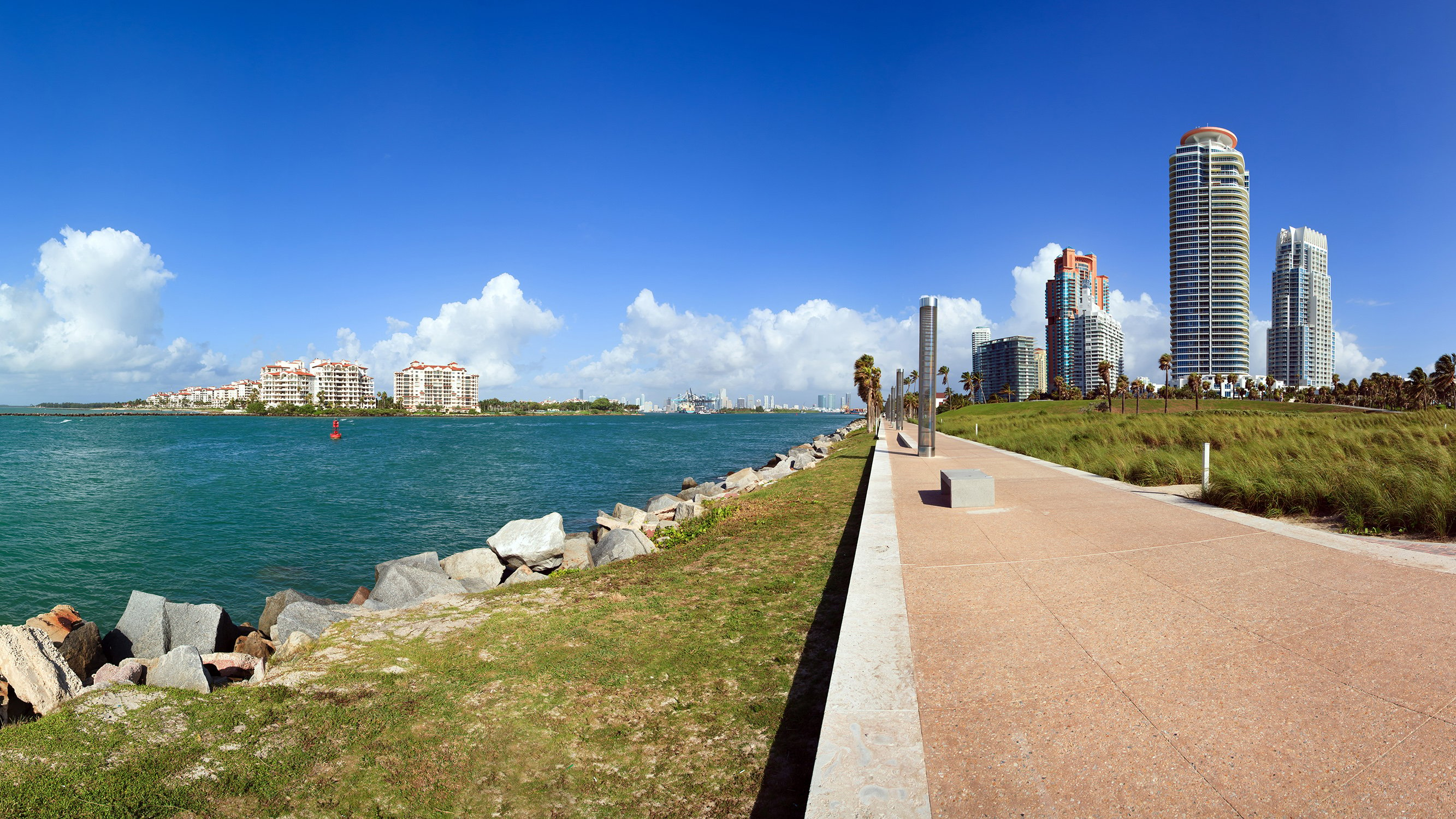
The Brooklyn-to-Bal Harbour conversation is no longer a simple story of sunshine, larger terraces, and softer winters. For many high-net-worth households, it represents a broader recalibration of domicile, estate planning, liquidity, family lifestyle, and long-term coastal ownership. South Florida has become a serious base of operations for buyers who once treated it primarily as a seasonal escape.
Florida imposes no individual state income tax, making the idea of a primary move especially compelling for New York buyers. But a Florida purchase, by itself, is not a tax plan. New York can still treat someone as a resident under domicile or statutory-residency rules, so the move must be lived, documented, and reflected in daily life. Voter registration, driver’s license, professional ties, club memberships, time spent in each state, and the location of family and business routines can all become part of the broader picture.
The essential point is precision. The right residence may support a larger plan, but it cannot carry the plan alone.
Bal Harbour offers a rare blend of scale and polish. It is a small incorporated village in Miami-Dade County with its own local government, which means buyers should look beyond county and state rules and understand village-level requirements as part of diligence. Its identity is also inseparable from Bal Harbour Shops, one of South Florida’s defining luxury retail anchors and a social center for residents who value convenience without sacrificing discretion.
The appeal is different from the energy of Brickell or the architectural theater of Miami Beach. Bal Harbour is quieter, more residential, and more controlled. A buyer considering Rivage Bal Harbour is not simply comparing floor plans. They are underwriting a village lifestyle, coastal frontage, privacy expectations, and the carrying costs that come with ownership at the water’s edge.
That is why wealth migration into South Florida should be read as both emotional and financial. The lifestyle draw is real, but the numbers matter.
For New York buyers, the tax conversation starts with income but often expands quickly. Florida’s lack of individual state income tax is a powerful advantage for those who truly relocate. New York, however, can continue to tax a person as a resident if domicile or statutory-residency standards are met. A buyer who keeps a substantial New York presence should coordinate legal and tax advice before assuming a Florida residence changes everything.
Estate planning is another reason the move attracts attention. New York has an estate tax, while Florida’s estate tax is not imposed for decedents dying after December 31, 2004. For families with meaningful private-company interests, real estate portfolios, art, securities, or generational trusts, that distinction can be material.
For second-home buyers, the analysis is different. A seasonal apartment may deliver lifestyle value, but it generally should not be underwritten as if it receives primary-residence benefits. The distinction between second home and true homestead is central to long-term ownership planning.
Florida’s homestead exemption can reduce taxable value for eligible primary residences. The Save Our Homes assessment cap can also limit annual increases in assessed value for qualifying homestead property. Together, these benefits can make primary-residence status financially meaningful over time.
But eligibility matters. Buyers should review assessed value, exemptions, taxable value, and tax history through Miami-Dade property records before waiving diligence or finalizing a carrying-cost model. Closing costs should also account for transfer-related taxes, including Florida documentary stamp tax on deeds and other documents.
This is where Brooklyn buyers sometimes misread the market. A lower income-tax profile does not erase insurance, association dues, reserves, special assessments, flood exposure, and maintenance. A residence at Oceana Bal Harbour may serve a different ownership purpose than a townhome, a Brickell pied-à-terre, or a single-family estate, but each must be evaluated through a full annual-cost lens.
Florida condominium purchases are governed by Chapter 718, which makes association documents, budgets, rules, reserves, disclosures, and governance central to the acquisition process. In today’s coastal market, buyers should look beyond aesthetics and amenities.
Post-Surfside condo-safety reforms created milestone-inspection and reserve-study requirements that can affect older coastal buildings and future assessments. This does not mean older buildings should be dismissed. It means buyers should understand inspection status, reserve funding, upcoming capital needs, and the association’s approach to long-term maintenance.
The same discipline applies outside Bal Harbour. A buyer looking at Surfside, for example, may compare the boutique scale of The Delmore Surfside with nearby oceanfront alternatives, but the real comparison includes governance, reserves, building systems, and insurance structure. Waterfront ownership rewards patience and punishes assumptions.
Coastal South Florida demands a mature insurance conversation. Flood-zone status can affect insurance requirements, financing, and long-term risk, so buyers should verify the applicable flood map designation before closing. Property insurance is also one of the most important carrying-cost variables in the state. For some eligible owners who cannot obtain private coverage, Florida’s state-created insurer may become part of the conversation, but it should not be treated as a shortcut around underwriting.
High-net-worth buyers are often comfortable with risk. What they dislike is surprise. The most successful acquisitions model premiums, deductibles, wind coverage, flood exposure, reserve contributions, and possible future assessments before price negotiations become emotional.
This is especially important for buyers considering luxury residences across Miami Beach, Surfside, Bal Harbour, and Sunny Isles Beach. A property such as The Perigon Miami Beach may appeal to buyers seeking design, service, and coastal proximity, but the ownership model still requires the same disciplined review.
Many ultra-premium buyers use entities, trusts, or non-financed acquisition structures for estate planning, privacy, liability management, or family-office administration. That planning should now be coordinated with modern real-estate transparency rules. Federal residential real-estate reporting rules have been adopted to increase visibility into certain transfers, particularly where entities and non-financed structures are involved.
The takeaway is not to avoid sophisticated structures. It is to plan them early, align advisors, and avoid last-minute friction at closing. In a market where liquidity and speed often matter, clean documentation is a competitive advantage.
Investment buyers and relocating families are often pursuing different goals, but in South Florida they increasingly overlap. A residence may serve as a primary home today, a family gathering point tomorrow, and a legacy asset over time. The strongest purchases are those that satisfy the lifestyle brief while surviving a rigorous cost-of-ownership review.
Some buyers will want the village intimacy of Bal Harbour. Others may choose the global-brand visibility of Sunny Isles Beach, the urban convenience of Brickell, or the privacy of Fisher Island. A residence such as The Residences at Six Fisher Island speaks to a different version of the migration story, one centered on controlled access, privacy, and resort-like living.
The common thread is not a single neighborhood. It is the migration of capital toward places where lifestyle, tax posture, and long-term asset planning can be aligned.
Does buying in Florida automatically change my domicile? No. A Florida purchase can support a move, but domicile depends on a broader pattern of life and documentation.
Why do New York buyers focus so much on Florida residency? Florida has no individual state income tax, while New York can still tax residents under domicile or statutory-residency rules.
Does Florida homestead apply to every luxury residence? No. Homestead benefits generally require an eligible primary residence, so second-home buyers should not assume they apply.
What is Save Our Homes? It is an assessment cap for qualifying Florida homestead property that can limit annual increases in assessed value.
Should Bal Harbour buyers review village rules? Yes. Bal Harbour is an incorporated village, so local rules should be reviewed along with county and state requirements.
What should condo buyers examine before closing? Association documents, budgets, rules, reserves, disclosures, inspection status, and possible assessments should all be reviewed.
Do post-Surfside reforms matter to luxury buyers? Yes. Milestone inspections and reserve-study requirements can influence older coastal buildings and future costs.
How important is flood-zone diligence? Very important. Flood status can affect insurance, financing, and the long-term risk profile of coastal ownership.
Are entity or trust purchases still practical? Yes, but buyers should coordinate legal, tax, and closing teams early because certain transfers face reporting rules.
What is the best way to shortlist comparable options for touring? Start with location fit, delivery status, and daily lifestyle priorities, then compare stacks and elevations to validate views and privacy.
When you're ready to tour or underwrite the options, connect with MILLION.
If branded residences are on your mind — as a home or as an allocation — we would be glad to share what we are seeing, privately.
Begin a quiet conversation