For financed luxury buyers in South Florida, backup cooling is no longer a niche mechanical question. It is a collection-protection, lifestyle, and underwriting conversation that belongs in pre-contract diligence.
For South Florida’s financed luxury buyer, backup cooling is not a mechanical footnote. It is part of the ownership thesis, especially for households with fine art, wine, rare books, couture, collectible cars, archival photography, musical instruments, or design objects that do not tolerate heat and humidity well.
The region’s lifestyle is shaped by light, water, gardens, terraces, and long exposure to the subtropics. Those same qualities make climate continuity a serious due-diligence issue. A residence can be architecturally exceptional, beautifully furnished, and financially sound, yet still warrant a precise conversation about what happens when primary cooling is interrupted.
Financed buyers have a particular reason to address the issue before signing. Once a contract is underway, the sequence of lender review, insurance questions, association documents, inspections, deposits, and closing timelines can quickly narrow a buyer’s room to maneuver. The right moment to ask about backup cooling is early, while cost, feasibility, timing, and comfort with the building’s operating posture can still be evaluated clearly.
For many residents, cooling is about personal comfort. For collectors, it is also about preservation. Temperature swings, moisture, stagnant air, and delayed access can create real concern around assets with emotional and financial significance. A collector may not need a residence to function as a museum, but the home should align with the owner’s expectations for protection.
That expectation varies by collection. Wine storage may require a different backup strategy than artwork in a glass-wrapped great room. Wardrobes, handbags, and paper-based archives may raise humidity concerns. A car collection may depend on garage ventilation and dehumidification as much as interior air conditioning. The essential point is straightforward: the buyer should define what must be cooled, for how long, and under what conditions.
This is why a finely located Waterfront residence or a trophy high-rise home should be evaluated not only through views and finishes, but through resilience. The question is not whether the home feels cool during a showing. It is whether the buyer understands the plan when conditions are less convenient.
The most useful questions are practical and specific. Does the residence or building have backup power that supports cooling, or only selected life-safety and common-area systems? If there is a generator, what does it serve? Are individual units supported, or only elevators, pumps, entry systems, and essential infrastructure? How is fuel handled, and who manages replenishment? Are there association rules that restrict portable equipment, balcony placement, mechanical modifications, or fuel storage?
Financed buyers should also ask whether any proposed upgrade would require association approval, permitting, engineering review, or lender awareness. A buyer who plans to install supplemental cooling after closing may find the work more complex than expected. Even when an upgrade is possible, timing matters. A closing calendar, hurricane season planning, and move-in coordination do not always move in harmony.
Budgeting is equally important. Backup cooling can involve equipment, installation, maintenance, testing, service contracts, storage considerations, and periodic replacement. For a financed buyer, those costs sit alongside cash-to-close, reserves, insurance, furnishings, and collection logistics. The most elegant solution is the one anticipated in advance, not improvised under pressure.
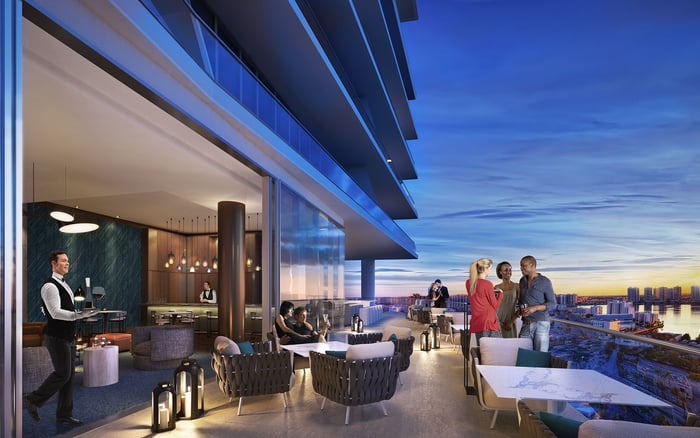
In Brickell, vertical living often appeals to buyers who want proximity, views, services, and a cosmopolitan rhythm. When comparing a residence such as The Residences at 1428 Brickell with other urban options, a collector should ask how the building’s systems, rules, and service culture fit the collection’s needs. The answer may influence storage choices, insurance conversations, and the buyer’s comfort with a financed purchase.
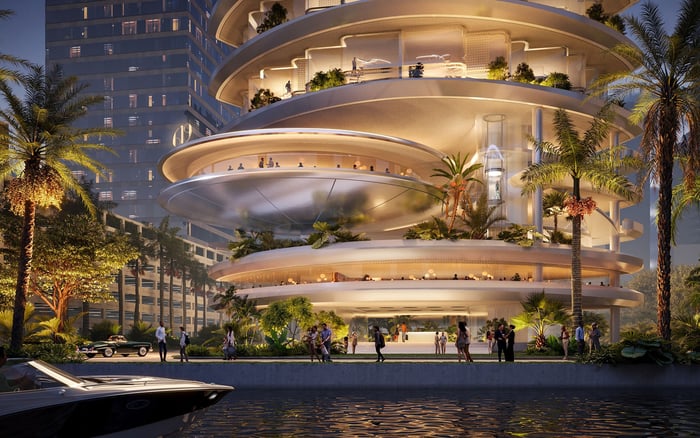
In Miami Beach, the conversation can feel different. Salt air, waterfront exposure, and design-forward interiors make the home’s envelope and mechanical planning especially relevant. Buyers considering The Perigon Miami Beach may be drawn to the privacy and coastal setting, but collectors should still press for clarity on cooling continuity, access during interruptions, and any limitations on in-unit or specialty equipment.
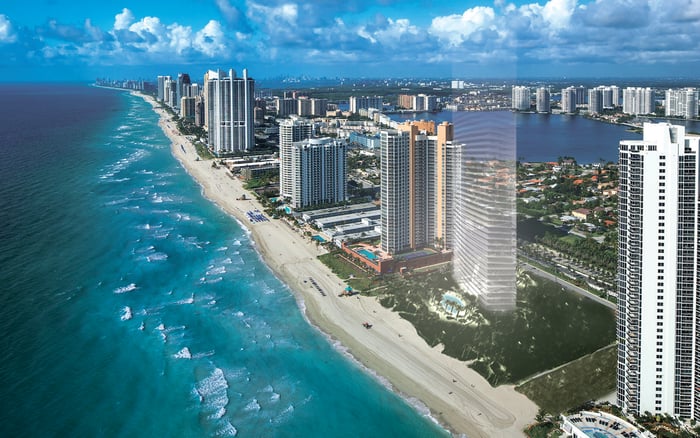
Sunny Isles Beach attracts buyers who often value oceanfront living, high-floor views, and amenity-rich towers. At a property such as Bentley Residences Sunny Isles, the collector’s diligence should include the garage, storage, and residence itself, particularly if vehicles, wine, or design objects are part of the ownership story.
On Fisher Island, privacy and controlled access can be part of the appeal. A buyer studying The Residences at Six Fisher Island should consider how collection vendors, service technicians, and emergency maintenance would reach the residence if systems require attention during a disruption.
A cash buyer may choose to absorb uncertainty and solve problems after closing. A financed buyer usually has more moving parts. The lender may require documentation, the insurer may ask questions, the association may have approval windows, and the buyer’s own liquidity plan may be tied to the mortgage structure.
Backup cooling is therefore not just a lifestyle matter. It can influence the buyer’s sense of risk before committing capital. If a collection is meaningful enough to shape the home search, it is meaningful enough to shape the pre-signing checklist.
This is particularly relevant for Investment-minded buyers who may later lease, resell, or hold the property as part of a broader family portfolio. A well-understood resilience plan can support confidence, while vague assumptions can create friction later. For Buyer's Guides readers, the lesson is not to overcomplicate the purchase. It is to ask better questions earlier.
Before signing, ask for a clear explanation of what systems are backed up and what are not. Confirm whether cooling for private residences is included, limited, or excluded. Review association documents for mechanical restrictions. Ask how storm preparation, access, and maintenance are handled. If the collection requires specialized climate control, speak with qualified advisors before deposits become difficult to recover.
Also consider the human layer. Who receives alerts if a cooling system fails? Who has access if the owner is abroad? How quickly can a technician enter the unit? Are collection storage rooms independently monitored? Does the owner need a temporary relocation plan for select assets?
The strongest luxury real estate decisions often feel calm because complexity has been addressed quietly in advance. Backup cooling is part of that discipline.
Why should a financed buyer ask about backup cooling before signing? Because financing, insurance, association approvals, and deposits can reduce flexibility once the contract process begins.
Is backup cooling only relevant for art collectors? No. Wine, couture, books, instruments, cars, and archival materials can also be sensitive to heat and humidity.
Does a building generator always cool private residences? Not necessarily. Buyers should confirm exactly which systems are supported and whether private-unit cooling is included.
Can I add supplemental cooling after closing? Possibly, but association rules, permits, engineering limits, and lender considerations may affect feasibility and timing.
Should this be part of the inspection process? Yes. Mechanical resilience and collection protection should be discussed with appropriate specialists before key contingencies expire.
Do Waterfront homes need extra attention? Often, yes. Exposure, humidity, and storm planning make climate continuity an important part of ownership diligence.
Is this concern limited to single-family estates? No. Condominium buyers should also understand building systems, common-area backup power, and unit-level limitations.
How does this affect insurance planning? Collection coverage may involve expectations around storage, monitoring, and reasonable protective measures.
What is the most important question to ask first? Ask what happens to the residence and collection areas if primary power or cooling is interrupted.
Should backup cooling influence which neighborhood I choose? It can. Brickell, Miami Beach, Sunny Isles Beach, and other markets each bring different building types and access considerations.
For a confidential assessment and a building-by-building shortlist, connect with MILLION.
If branded residences are on your mind — as a home or as an allocation — we would be glad to share what we are seeing, privately.
Begin a quiet conversation