For oceanfront condominium buyers, reserve study assumptions can be as consequential as price per square foot. The way a building models future repairs, inflation, useful life and funding can influence dues, assessment exposure and long-term resale confidence.

A South Florida oceanfront residence is often evaluated through the visible language of luxury: views, architecture, privacy, service, beach access and the feeling of arrival. Yet one of the most consequential elements of ownership sits in a quieter place: the assumptions behind a condominium’s reserve study.
For buyers at the upper end of the market, the question is not simply whether a building has reserves. The more important question is how those reserves have been calculated. A reserve study is built on judgments about useful life, replacement cost, funding pace, inflation, interest earnings, project timing and the scope of future work. Change those assumptions, and the apparent cost of ownership can shift materially.
That is why sophisticated buyers read beyond the monthly maintenance figure. They want to know whether today’s carrying cost reflects tomorrow’s capital needs, or whether a future board may need to close the gap through higher dues or special assessments.
A reserve balance can appear reassuring, but it is only meaningful in relation to the obligations it is designed to support. A building may have money set aside and still be exposed if the study assumes optimistic timelines, understated replacement costs or limited contingencies. Conversely, a building with higher monthly dues may be taking a more disciplined approach to long-term capital planning.
The assumption table is where the real story begins. If a major component is expected to last longer, annual funding needs may appear lower. If future costs are estimated conservatively, today’s required contributions may rise. If projects are phased across several years, financial pressure can be smoothed. If several major components are expected to converge in the same window, owners may face a more concentrated funding burden.
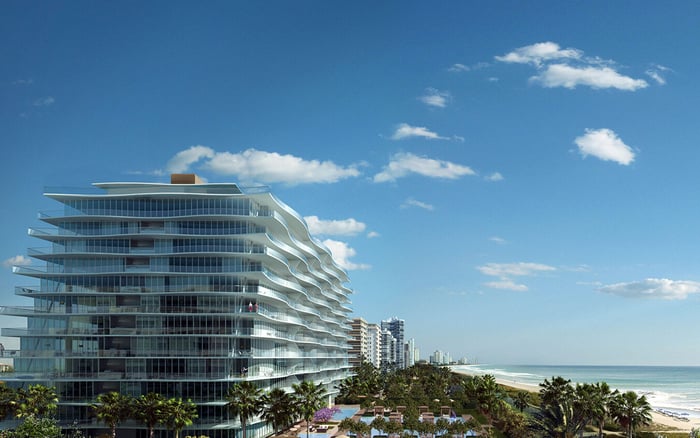
This is particularly relevant for buyers comparing prestige residences in different coastal submarkets. A purchaser weighing 57 Ocean Miami Beach against The Perigon Miami Beach is not only comparing design, location and lifestyle. The careful buyer is also asking how each ownership structure thinks about future capital needs.
Across a South Florida search, the lens may span oceanfront, Miami Beach, Bal Harbour, Sunny Isles, Hillsboro Beach and investment priorities. Each location has its own appeal, but reserve discipline remains a common thread.
Oceanfront property asks more of a building than a protected inland address. Salt air, sun, wind, moisture and intensive exterior exposure can place recurring demands on façades, railings, glazing systems, waterproofing, balconies, mechanical equipment and common-area finishes. Even beautifully maintained properties need a plan for renewal.
This does not make oceanfront ownership less desirable. It simply means the ownership analysis must be more mature. The beach is a privilege, and that privilege comes with a stewardship obligation. Buyers who understand this distinction are better positioned to evaluate whether a building’s monthly costs are realistic, understated or intentionally conservative.
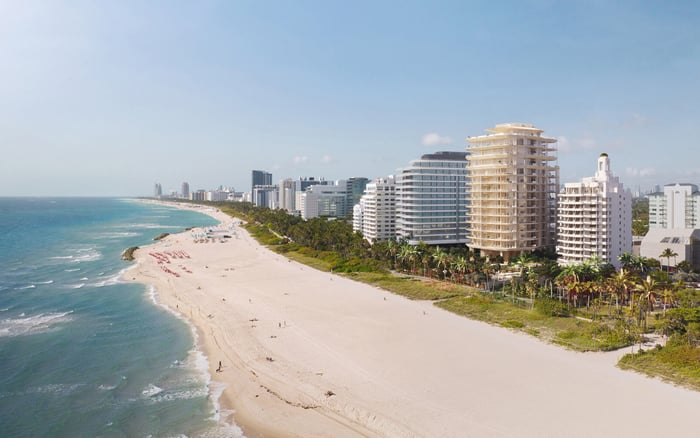
In markets such as Bal Harbour and Surfside, the conversation often centers on privacy, architecture and services. A residence such as Rivage Bal Harbour may draw attention for its setting and design language, but an owner’s long-term experience will also be shaped by how the association approaches the less glamorous work of capital preservation.
The most useful reserve review is not adversarial. It is analytical. Buyers should ask for a clear explanation of the major components being funded and the assumptions assigned to each. Elevators, roofs, waterproofing, exterior restoration, mechanical systems, pool decks, lobbies, fitness areas, garages and life-safety systems can each carry different timelines and cost profiles.
The first variable is useful life. A small change in assumed life can alter the annual funding requirement. The second is remaining life. A component that is technically serviceable today may still require significant planning if it is approaching the end of its expected cycle. The third is replacement cost. In luxury buildings, finishes and systems may be more expensive to renew than generic line items suggest.
Inflation assumptions deserve particular care. If future work is modeled with low cost escalation, the reserve plan may look comfortable today while underestimating tomorrow’s invoices. Interest earnings can also matter, but they should not be treated as a substitute for adequate contributions. The strongest reserve logic is rarely dependent on financial optimism.
Contingency is another subtle but important variable. Oceanfront work often involves discovery, access complexity and scheduling sensitivity. A reserve plan that leaves little margin may require owners to absorb surprises quickly. A plan with thoughtful contingency can help preserve composure when projects become more complex than expected.
New and recently delivered residences can feel simpler from a reserve perspective because the building systems are new. Yet buyers should not assume that early years eliminate the need for disciplined funding. A new building begins aging from the moment it is completed, and the earliest reserve decisions can shape the financial culture of the association.
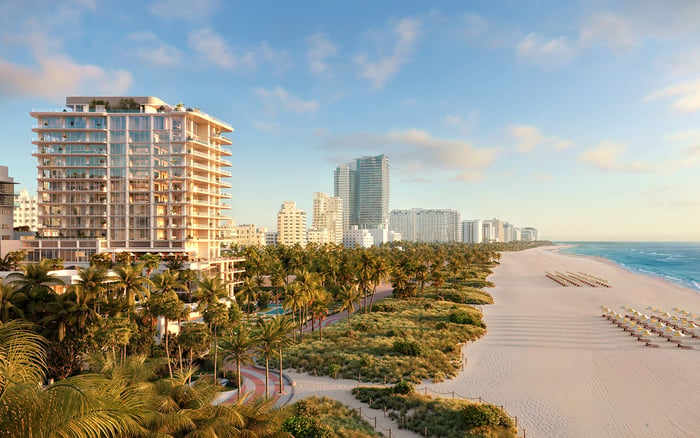
For this reason, buyers looking at newer coastal offerings such as St. Regis® Residences Sunny Isles or Rosewood Residences Hillsboro Beach should think beyond initial elegance. The question is how the ownership model intends to protect that elegance over time.
Established buildings offer a different type of visibility. They may have a record of completed projects, prior assessments, reserve funding habits and board decision-making. That history can be valuable, but it should be read carefully. A building that has postponed work may show lower recent costs, while one that has invested steadily may show higher dues but lower deferred risk.
Neither category is automatically superior. The key is alignment between the buyer’s expectations and the building’s financial posture.
In ultra-premium real estate, purchase price is only one part of the economic story. A residence with a lower monthly assessment may not be less expensive if reserves are underfunded or assumptions are soft. A residence with higher dues may be more transparent if those dues are supporting a credible capital plan.
This is where private underwriting becomes essential. Buyers should review the reserve study, budget, meeting minutes, insurance obligations, known projects, assessment history and any engineering commentary available through the transaction process. The goal is not to predict every future cost. It is to understand whether the building is managing known obligations with clarity.
A discreet buyer also considers resale. Future purchasers will ask similar questions. Buildings that communicate capital planning clearly may inspire greater confidence, particularly among buyers who value stability as much as style. In the oceanfront segment, financial governance is part of the luxury experience.
Before making a final decision, buyers should ask whether the reserve study reflects current pricing assumptions, whether major systems have been evaluated recently, and whether the board is funding reserves in a way that aligns with the study. They should also ask whether any projects have been deferred, whether special assessments are being discussed, and whether the reserve plan depends on unusually favorable assumptions.
The most revealing answer is often not a single number. It is the quality of explanation. A well-run building can explain why it funds the way it does. A less disciplined building may rely on vague reassurances. In South Florida’s oceanfront market, that distinction can be financially meaningful.
For buyers who want a residence to function as both sanctuary and durable asset, reserve assumptions belong in the same conversation as view corridor, floor height, service culture and architecture. The true cost of ownership is not hidden. It is simply waiting to be read with the right level of care.
What is a reserve study in a condominium? It is a planning document that estimates future repair and replacement needs for major shared building components.
Why do reserve assumptions affect ownership cost? Assumptions determine how much money should be collected today to prepare for tomorrow’s capital expenses.
Is a higher monthly maintenance fee always negative? Not necessarily. Higher dues may reflect a more conservative funding plan and less reliance on future assessments.
What assumption should buyers review first? Useful life is a strong starting point because it influences when a component is expected to require replacement.
Why are oceanfront buildings different? Coastal exposure can make exterior maintenance, waterproofing and mechanical planning especially important.
Can a reserve study eliminate special assessment risk? No. It can reduce uncertainty, but unexpected conditions or cost changes can still create funding needs.
Should new buildings have reserve plans? Yes. New systems still age, and early funding decisions can shape long-term ownership discipline.
How should buyers compare two buildings? Compare not only dues and amenities, but also reserve logic, project history and the clarity of financial planning.
Can reserve strength influence resale? Yes. Buyers often value buildings that show credible capital planning and fewer signs of deferred maintenance.
Who should review reserve documents for a buyer? Buyers should involve qualified legal, financial and building professionals as part of their due diligence.
When you're ready to tour or underwrite the options, connect with MILLION.
If branded residences are on your mind — as a home or as an allocation — we would be glad to share what we are seeing, privately.
Begin a quiet conversation