An editorial guide for luxury buyers weighing true oceanfront scarcity against amenity-driven condo appeal in South Florida’s most coveted coastal markets.
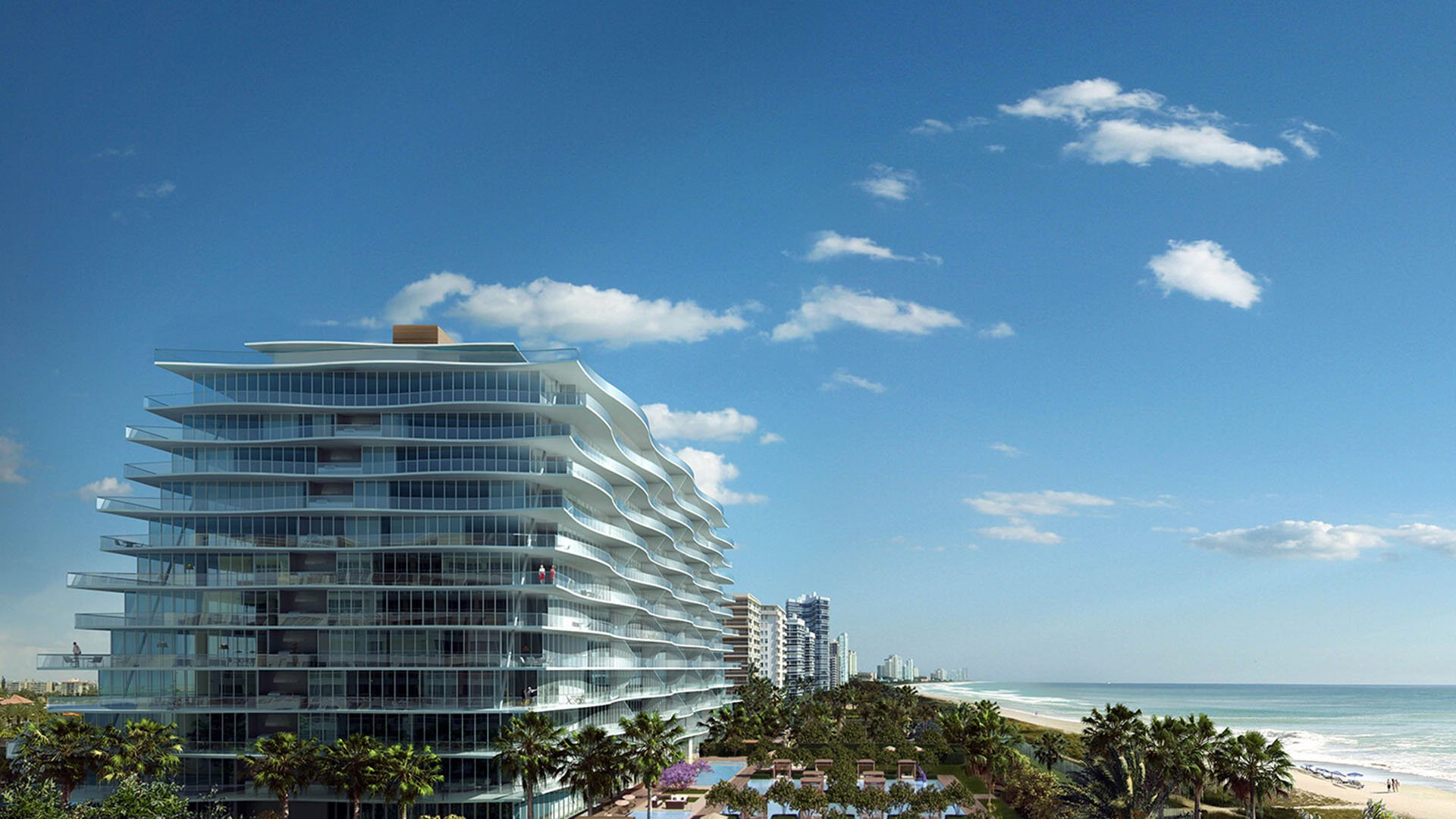
In South Florida luxury real estate, the amenity floor has become a polished language of its own. Private dining rooms, wellness studios, screening lounges, resort pools and club spaces are now expected in the upper tier. They shape daily life and often define first impressions. Yet for the most selective buyer, the more enduring question is quieter: what cannot be recreated?
That is where oceanfront supply constraints enter the conversation. A service program can be refreshed. Interiors can be restyled. A club room can evolve with taste. But a true coastal position, with the immediate presence of water, horizon and light, is not simply another feature. It is the foundation against which the rest of the residence is judged.
For a buyer comparing Miami Beach, Sunny Isles, Surfside or Bal Harbour, this distinction matters. The decision is not whether amenities are desirable. They are. The question is whether those amenities enhance an intrinsically rare position, or compensate for a setting that may feel less singular over time.
Amenities are powerful because they make luxury visible. A buyer can tour a spa suite, feel the atmosphere of a residents’ lounge and imagine a private dinner with friends. These spaces translate a building’s promise into something immediate and emotional.
But amenity value is comparative. If several buildings offer similar wellness, entertainment and hospitality concepts, the advantage narrows. What felt exceptional at launch may later feel expected. In a market where design standards continue to rise, buyers should separate presentation from permanence.
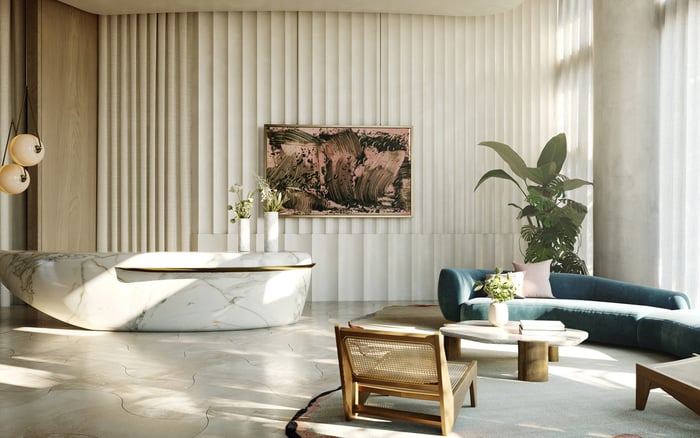
The best amenity programs are not theatrical. They are useful, beautifully maintained and proportionate to the way residents actually live. A serene arrival, thoughtful privacy, convenient beach access, strong service culture and well-planned outdoor space can matter more than a dramatic list of rooms that rarely become part of daily routine.
This is why an amenity floor should be evaluated as a support system, not the thesis. If the core asset is irreplaceable, amenities add depth. If the core asset is ordinary, amenities may create excitement at first, but they are less likely to carry the same conviction across a long ownership horizon.
The most disciplined buyers apply a simple test: if the amenities were neutral, would the residence still be compelling? On a true oceanfront site, the answer may rest in morning light, open exposure, proximity to sand, balcony usability, privacy from neighboring towers and the emotional quality of living with the Atlantic as the principal view.
This does not mean every oceanfront residence is equal. Orientation, building depth, residence layout, ceiling height, terrace proportions and the relationship between indoor and outdoor space all matter. A poorly planned home can dilute a strong location. A well-planned home can make scarcity feel effortless.
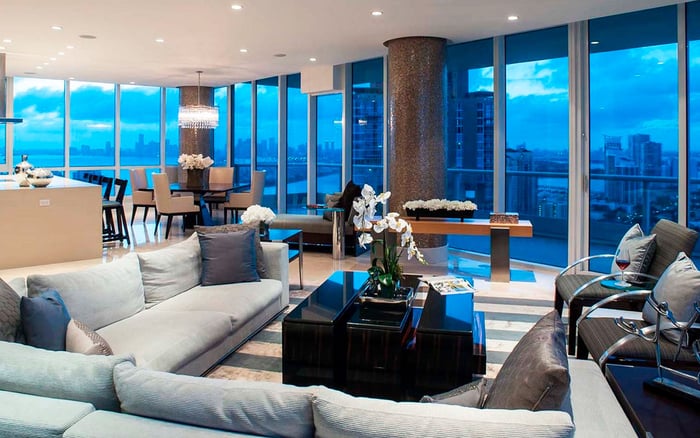
The oceanfront test also asks whether the view is central to the residence or merely incidental. Does the primary suite wake to water? Does the living room hold the horizon without interruption? Are outdoor spaces usable rather than symbolic? Does the arrival sequence create a sense of retreat before the resident even reaches the door?
These questions are more revealing than a checklist. They help a buyer understand whether the premium is attached to something durable or to a feature that can be copied elsewhere.
South Florida is not one uniform coastline. Miami Beach carries cultural energy, architectural variety and proximity to dining, design and nightlife. For some buyers, that urban beach duality is the point. The residence is both sanctuary and address, close to the rhythm of the city yet anchored by the water.
Sunny Isles often attracts buyers who want vertical luxury, expansive views and a high-service waterfront lifestyle. In this context, the question becomes how a specific residence balances scale with privacy. A tall building may offer impressive elevation, but the rarest homes still need calm, proportion and a clear sense of arrival.
Surfside appeals to buyers who value a quieter coastal tempo with access to neighboring luxury enclaves. Here, scarcity is less about spectacle and more about restraint. The most compelling properties tend to feel residential first, with amenities integrated into a composed way of living.
Bal Harbour adds another dimension: discretion, neighborhood prestige and a long-established resort sensibility. In a setting like this, the best residences do not need to overstate themselves. Their value is often tied to the poise of the neighborhood as much as to the building itself.
Each market can support a strong ownership case, but not for the same reason. A buyer should ask what makes the location hard to replicate, who the future buyer is likely to be and whether the residence’s appeal depends on fashion or fundamentals.
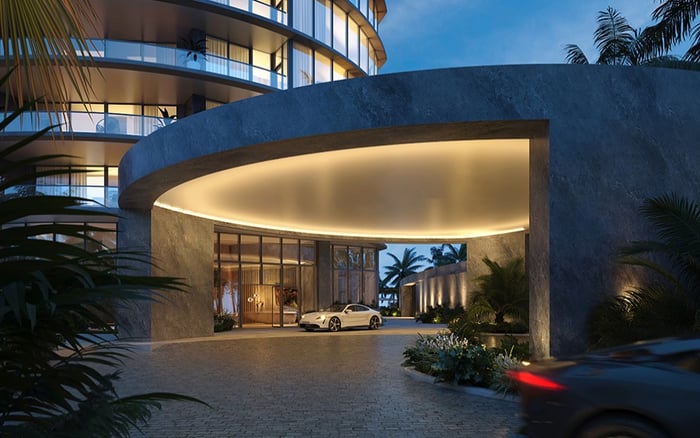
Begin with site quality. Before discussing finishes or club spaces, understand the lot, exposure, approach, beach relationship and surrounding context. The more exceptional the site, the more carefully the residence should be studied, because the opportunity may not be easily replaced.
Then move to the plan. Luxury buyers often focus on square footage, but livability is determined by how that space works. Flow-through light, separation between entertaining and private areas, terrace depth, kitchen placement and staff circulation can all influence whether a residence feels relaxed or merely large.
Next, study privacy. Privacy is not only about distance from neighbors. It includes elevator configuration, corridor design, sightlines from adjacent buildings, acoustic comfort and the ability to host without making the home feel exposed. In the oceanfront segment, privacy can be as important as the view itself.
Only then should the amenity floor take center stage. Look for quality rather than quantity. Ask whether the amenities match your household’s rhythms. A wellness area may matter more than a game room. A strong concierge culture may be more valuable than an oversized lounge. A discreet beach service may outweigh an elaborate interior space.
Finally, consider the maintenance of desirability. The residences that age best usually combine a limited setting, elegant planning and amenities that feel timeless rather than trend-driven. The goal is not to buy the longest brochure. It is to buy the home whose essential appeal remains clear after the novelty fades.
The argument for oceanfront scarcity is not an argument against amenities. At this level, buyers have every right to expect beauty, service and convenience. The strongest buildings understand that amenities are part of the private residential experience, not a separate attraction.
A well-conceived amenity floor can reduce friction in daily life. It can make wellness easier, entertaining more graceful and seasonal living more seamless. For second-home owners, it can also provide the reassuring sense that the property is cared for and ready when they arrive.
The distinction is hierarchy. Amenities should intensify the value of the site, not distract from its limitations. When the two are aligned, a residence feels complete. When they are not, even a dazzling amenity program can feel like decoration around a weaker premise.
For the most exacting buyer, the essential luxury is not abundance. It is clarity: a rare position, a plan that honors it and services that make the experience feel effortless.
Why can oceanfront supply matter more than amenities? Because a true coastal position is inherently difficult to replicate, while amenity concepts can be redesigned, refreshed or repeated in other buildings.
Should buyers ignore amenity floors when comparing luxury condos? No. Amenities matter, but they should support the residence’s location, privacy and livability rather than serve as the primary reason to buy.
What is the first question an oceanfront buyer should ask? Ask whether the residence would still be compelling if the amenity program were average. That reveals the strength of the underlying asset.
Is a bigger amenity list always better? Not necessarily. A smaller, better-executed program that fits daily life can be more valuable than a long list of rarely used spaces.
How should a buyer compare Miami Beach and Surfside? Miami Beach may suit buyers seeking urban beach energy, while Surfside often appeals to those who prefer a more restrained coastal setting.
What role does privacy play in oceanfront value? Privacy can be central, especially when views, elevator access, neighboring sightlines and entertaining patterns shape the lived experience.
Does Sunny Isles appeal to a different buyer profile? Sunny Isles often attracts buyers drawn to high-rise coastal living, expansive outlooks and a service-oriented waterfront lifestyle.
Why mention Bal Harbour in a scarcity discussion? Bal Harbour represents a discreet coastal setting where neighborhood prestige and oceanfront positioning can reinforce each other.
Can an amenity-rich non-oceanfront residence be the better choice? Yes, if it better suits the buyer’s life. The key is recognizing whether the purchase is driven by lifestyle fit or by irreplaceable setting.
What is the best way to shortlist comparable options for touring? Start with location fit, delivery status, and daily lifestyle priorities, then compare stacks and elevations to validate views and privacy.
For a confidential assessment and a building-by-building shortlist, connect with MILLION.
If branded residences are on your mind — as a home or as an allocation — we would be glad to share what we are seeing, privately.
Begin a quiet conversation