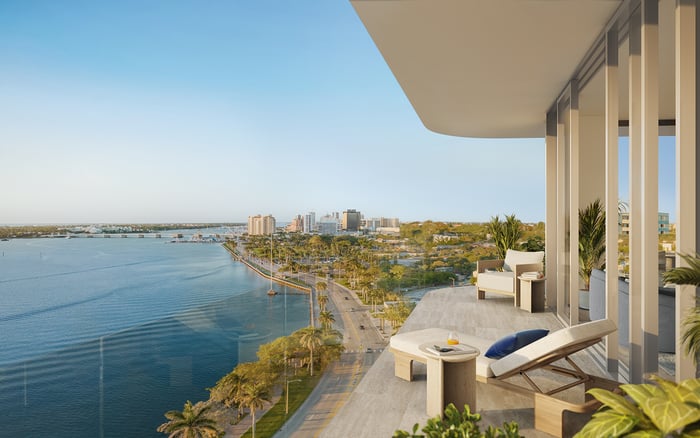
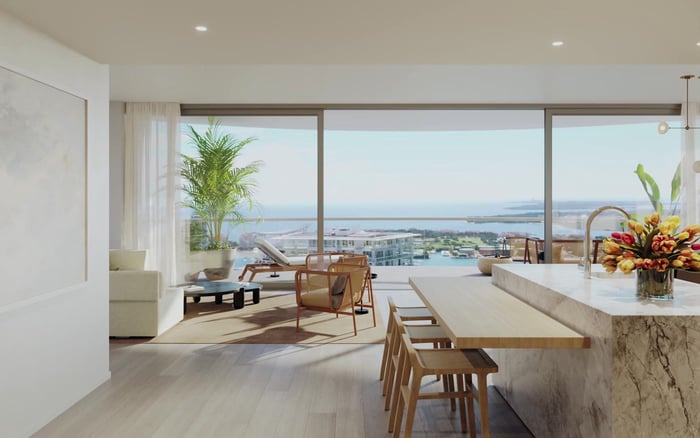
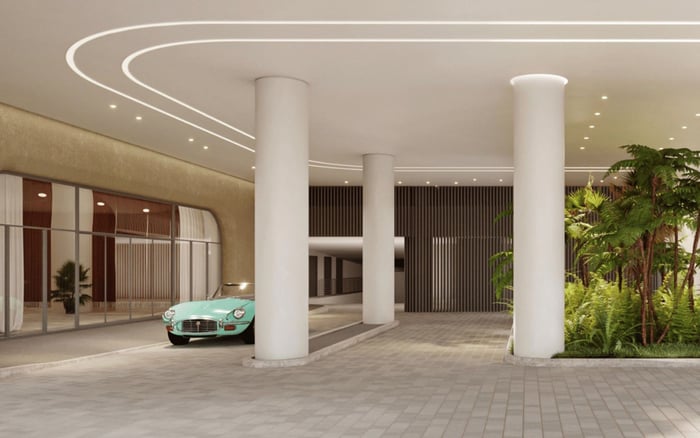
Flood-zone exposure is not a reason to avoid coastal luxury. It is a reason to compare Miami Beach and South of Fifth with sharper questions about elevation, building readiness, access, insurance, and long-term ownership comfort.
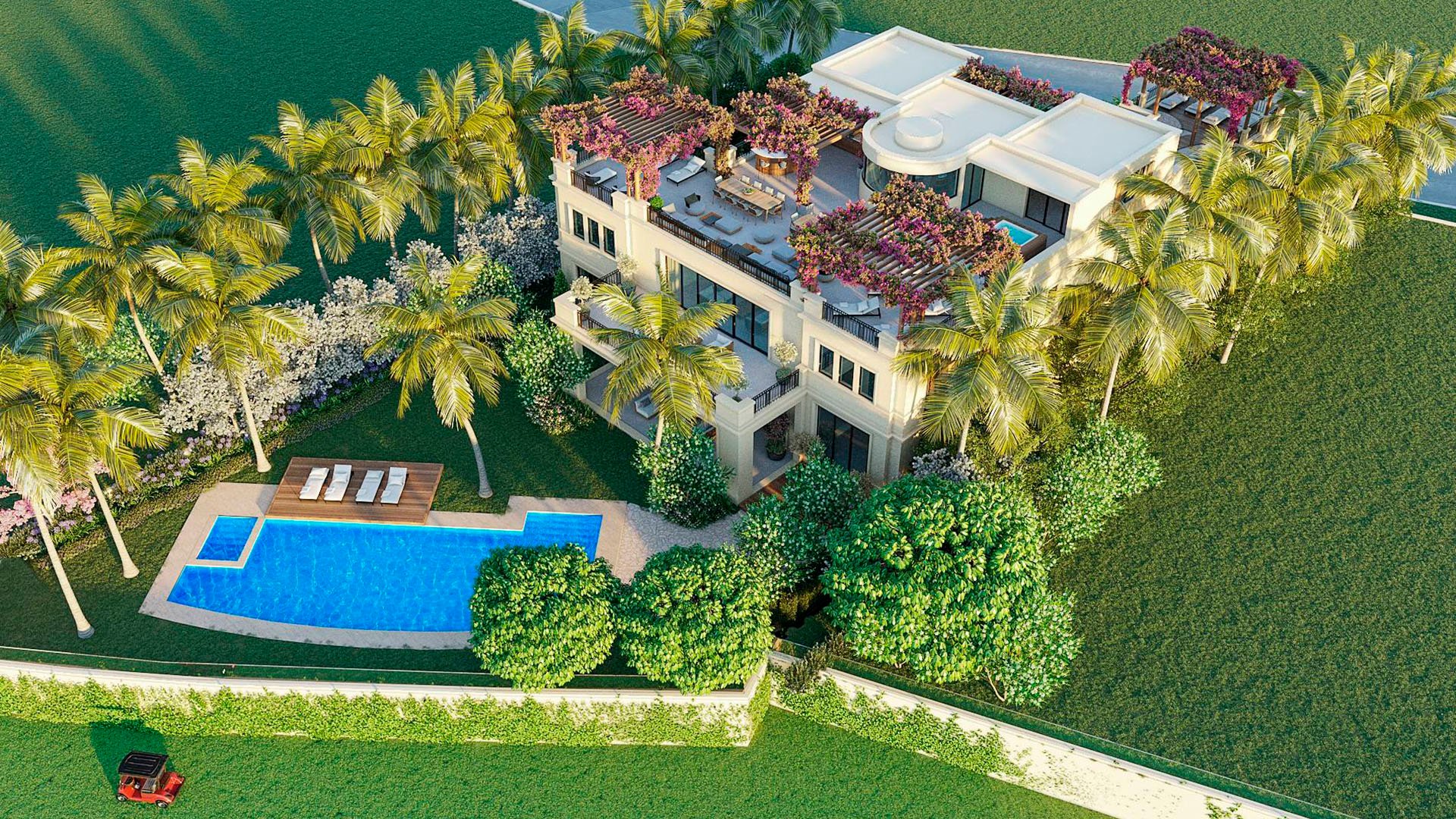
For years, the choice between Miami Beach and South of Fifth was framed by lifestyle. One buyer wanted the breadth of Miami Beach, with its varied buildings, beach corridors, dining pockets, and quieter residential stretches. Another wanted the concentrated polish of South of Fifth, where the appeal is compact, walkable, and unmistakably rare.
Today, a more practical question often comes first: how should flood-zone exposure shape the decision? For a luxury buyer, this is not a reason to retreat from the coast. It is a more disciplined way to buy it. The water remains the central amenity, but it now sits beside elevation, building systems, insurance structure, access planning, and the resilience of the surrounding streetscape.
The most sophisticated buyers do not ask whether a property is simply “in” or “out” of concern. They ask how exposure is managed, how the building is designed, how the association plans for capital needs, and how ownership will feel over a long hold. That shift moves the conversation from neighborhood romance to asset selection.
Miami Beach is not a single product. It is a collection of submarkets, building ages, architectural periods, waterfront conditions, and ownership profiles. That variety is part of its allure, but it also means flood-zone questions must become more granular.
A buyer considering Miami Beach should not stop at the view line. Due diligence should include lobby and garage elevation, mechanical placement, drainage context, generator strategy, access routes, reserve planning, and the condition of common areas exposed to weather. In the upper tier, the most compelling opportunities tend to be those where lifestyle and resilience are evaluated together, not treated as separate conversations.
This is why the comparison may pull a buyer toward newer or comprehensively updated buildings, especially when the ownership goal is simplicity. A residence at The Perigon Miami Beach, for example, enters the conversation as part of a broader preference for contemporary coastal living, brand-new building logic, and a more curated ownership experience. The project name alone does not answer a flood question, but it focuses the right questions on modern systems, design intent, and long-term stewardship.
For many buyers, Miami Beach remains the more flexible canvas. It can accommodate different moods, from quieter oceanfront living to more social addresses. The tradeoff is that flexibility demands sharper screening. In a buyer brief, the relevant lenses may include Miami Beach, oceanfront, waterview, new construction, and the degree of comfort with each building’s maintenance culture.
South of Fifth changes the psychology of the search. The area is smaller, more defined, and often chosen by buyers who value walkability, privacy, dining proximity, marina energy, and a residential atmosphere that feels set apart from the broader Miami Beach rhythm. The emotional case is strong, but flood-zone exposure still belongs at the center of underwriting.
Because South of Fifth is so tightly held in buyer imagination, there can be a temptation to let scarcity stand in for diligence. That is the wrong approach. Scarcity may support desirability, but it does not remove the need to understand how a building handles water, wind, access, insurance, and future capital requirements.
In this pocket, established trophy buildings and newer luxury alternatives are often evaluated side by side. A buyer looking at Apogee South Beach may be weighing a very different ownership profile than someone focused on The Ritz-Carlton Residences® South Beach. The useful question is not which name is more glamorous. It is which building’s physical plant, association posture, service model, and access pattern best match the buyer’s tolerance for coastal complexity.
South of Fifth buyers often want the neighborhood to simplify life. Flood-zone diligence is the counterbalance: it ensures that simplicity is real, not merely aesthetic.
Flood maps matter, but they are not the entire analysis. For a luxury buyer, the more revealing questions are operational.
Where are the building’s critical systems located? How are lower levels used? What has the association prioritized in maintenance and capital planning? How does the garage function during severe weather events? What insurance is carried by the association, what remains the owner’s responsibility, and how might premiums affect carrying costs over time?
Access matters just as much. A residence can be well elevated and thoughtfully designed, yet still sit within a neighborhood where temporary street conditions affect daily life. Buyers should think carefully about how they will use the property. Is it a primary residence, a seasonal retreat, or a second home visited on a flexible schedule? Does the owner expect staff, guests, deliveries, and cars to move with minimal friction? The same building can feel different depending on the buyer’s lifestyle rhythm.
This is where luxury real estate becomes personal. Some owners are comfortable accepting coastal inconvenience in exchange for the irreplaceable experience of living near the water. Others prefer a more conservative building profile, even if it means compromising on a specific view or street. Neither position is wrong. The mistake is failing to define the threshold before negotiating.
In the ultra-premium market, buyers sometimes separate the romance of the residence from the mechanics of ownership. Flood-zone exposure makes that separation impossible. Insurance, reserves, assessments, building improvements, and association discipline are now part of the luxury experience because they affect comfort, predictability, and resale confidence.
A beautifully designed residence can still become a frustrating asset if the ownership structure is reactive. Conversely, a building with a sober maintenance culture may feel less dramatic on paper but more reassuring in practice. The best buyers ask for documents early, read them carefully, and use specialists where appropriate.
This is especially relevant when comparing legacy buildings with newer offerings. A project such as Shore Club Private Collections Miami Beach may attract attention for its positioning and design language, while an established South Beach address may appeal for its track record and familiarity. Flood-zone exposure does not automatically favor one category. It favors the building where the buyer can understand the risk, price it intelligently, and live with the answer.
The primary-residence buyer typically puts daily convenience first. For this buyer, flood-zone exposure is not abstract. It touches school runs, staff access, pets, parking, grocery routines, guests, and the calm of returning home after travel. The best fit may be the building that minimizes operational friction, even if another option has a more dramatic postcard view.
The second-home buyer may weigh the issue differently. If visits are flexible and the property is used seasonally, the owner may tolerate more coastal complexity in exchange for atmosphere. Still, the same questions apply. The property should be easy to secure, easy to maintain remotely, and supported by a building team that communicates well.
The investor or long-hold legacy buyer should think about future buyer psychology. Even when a residence is extraordinary, the next purchaser will likely ask increasingly refined questions about exposure and resilience. A building that can answer those questions clearly may have a stronger narrative when it returns to market.
For some buyers, the decision will point to the broader Miami Beach field, where choice and price architecture may feel more flexible. For others, the emotional certainty of South of Fifth will prevail, provided the building-level diligence supports it. Either way, flood-zone exposure turns the search from a neighborhood contest into a property-by-property evaluation.
The right question is not “Miami Beach or South of Fifth?” It is “which specific residence allows me to enjoy coastal life with the fewest unresolved concerns?” That question is both more demanding and more useful.
Start with lifestyle, then test it against exposure. If the dream is morning walks, ocean air, nearby restaurants, and a residence that feels effortless, do not abandon the dream. Translate it into criteria. Prioritize elevation, systems, access, association discipline, insurance clarity, and the quality of the building team. Then compare buildings through that lens.
The best coastal purchase is rarely the one with the loudest marketing language. It is the one where the poetry of place and the discipline of ownership meet. In Miami Beach and South of Fifth, that balance is the new luxury.
Does flood-zone exposure mean a buyer should avoid Miami Beach? No. It means the buyer should evaluate the specific building, systems, access, insurance structure, and ownership obligations with more care.
Is South of Fifth automatically less complicated than broader Miami Beach? Not automatically. South of Fifth may feel more concentrated and convenient, but each building still requires its own diligence.
What should luxury buyers ask first about a condo building? Ask how critical systems are protected, how lower levels are used, and how the association plans for maintenance and capital needs.
Do newer buildings solve flood-zone concerns? Newer buildings may offer modern design logic, but buyers still need to review documents, systems, insurance, and operational planning.
How does flood exposure affect resale thinking? Future buyers are likely to ask detailed resilience questions, so clarity and building discipline can support a stronger resale narrative.
Should a buyer prioritize view or elevation? The answer depends on risk tolerance, lifestyle, and holding period. The best choice balances daily enjoyment with long-term comfort.
Are association reserves important in this decision? Yes. Reserves and capital planning influence predictability, maintenance quality, and the owner’s confidence during a long hold.
Is insurance only a cost issue? No. Insurance is also a signal of ownership complexity and should be reviewed alongside deductibles, exclusions, and association coverage.
Can a second-home buyer accept more exposure than a primary resident? Sometimes. Flexible use may change the comfort level, but remote ownership still requires strong building management and planning.
What is the cleanest way to compare Miami Beach and South of Fifth? Compare specific buildings rather than broad labels, then weigh lifestyle, access, systems, insurance, and association discipline together.
For a discreet conversation and a curated building-by-building shortlist, connect with MILLION.
If branded residences are on your mind — as a home or as an allocation — we would be glad to share what we are seeing, privately.
Begin a quiet conversation