At One Thousand Museum, a buyer’s operational review should extend from the loading dock to the residence. Written guidance on deliveries, catering, service-elevator access, and recurring household support can clarify whether the building fits an owner’s daily life.
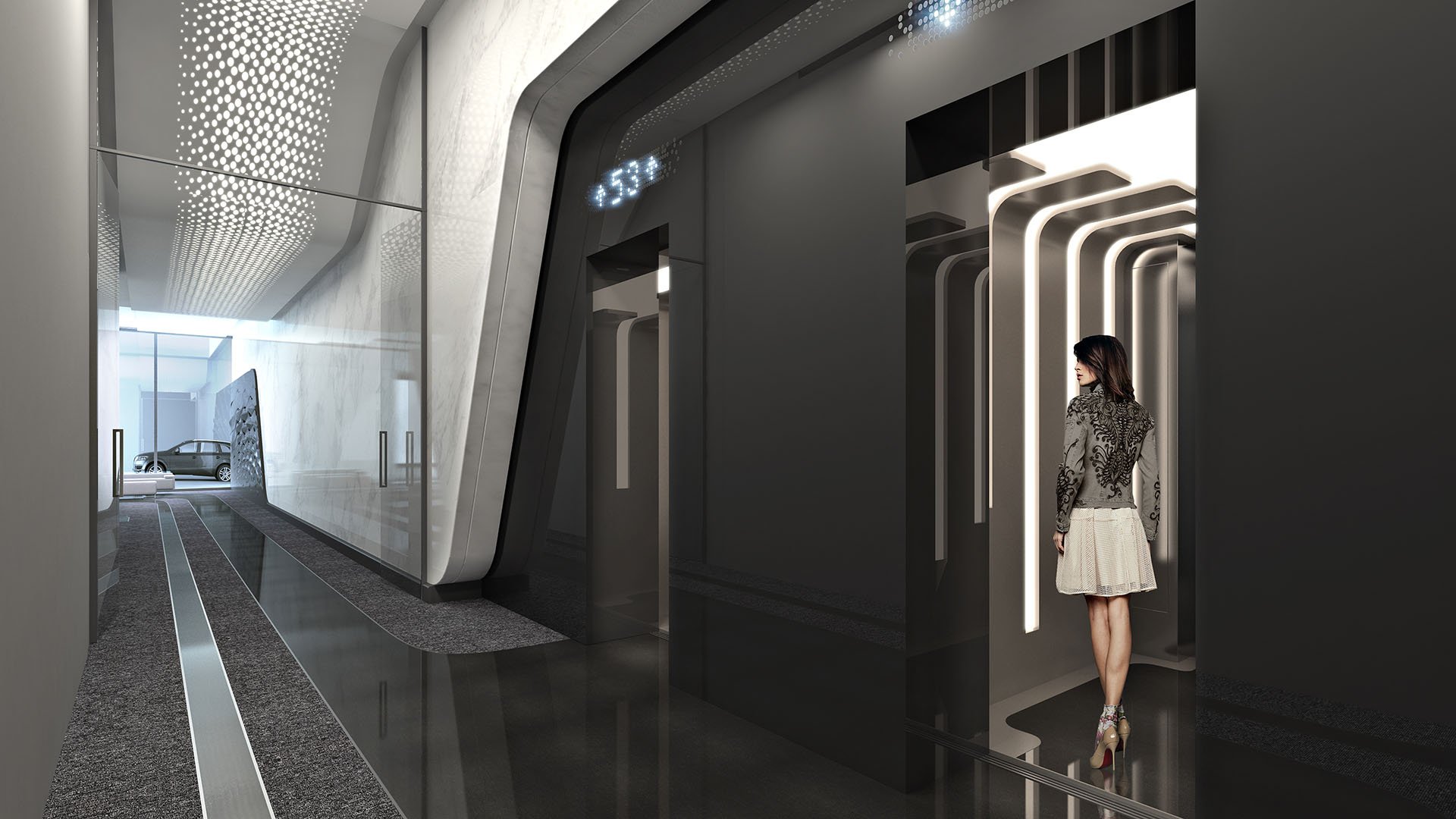
At One Thousand Museum Downtown Miami, the architectural credentials are clear: a Zaha Hadid-designed condominium tower at 1000 Biscayne Boulevard, with 62 stories and 84 residences. For a prospective owner, evaluating the address also means understanding how a household would function beyond the arrival experience.
Furniture installations, catered dinners, grocery deliveries, and recurring household support each raise distinct access questions. A beautiful residence and a workable service route are separate considerations. The practical test is whether written operating procedures accommodate the owner’s actual calendar, including occasions when several suppliers need access within a narrow window.
Treat dock hours, reservations, vehicle limits, insurance documentation, and charges as matters to establish with management-not benefits or restrictions to assume. This is a buyer’s operational review, not a statement of One Thousand Museum’s current loading-dock rules.
Begin by requesting the current resident handbook, loading-dock guidance, and any separate moving or vendor instructions. Confirm who authorizes bookings, which document governs a particular delivery, and how changes or exceptions are approved. A written answer is more useful than a general assurance that deliveries can be accommodated.
Ask about weekday, weekend, and holiday hours separately. Security coverage does not establish permission to unload, nor does unloading permission establish security coverage. Distinguish when a truck may arrive, when unloading must finish, and when goods must reach the residence.
Confirm booking lead times, late-arrival procedures, cancellation terms, simultaneous-vendor limits, and any after-hours charges. If a supplier misses its window, establish whether management can reschedule it that day or the household must arrange another delivery.
For buyers also considering Aston Martin Residences Downtown Miami, apply the same questions independently. Compare documented arrangements at each address rather than assuming luxury towers operate alike.
An oversized delivery requires more than confirmation that a truck can reach the dock. Request vehicle clearances, unloading-space constraints, service-elevator door and cab dimensions, and elevator capacity. Then have the supplier assess the full route to the residence, including turns and doorways.
Ask whether protective coverings, supervised access, or a reserved elevator are required. These are questions for management, not established requirements at One Thousand Museum. Clarify whether unloading and elevator use share one reservation or require separate coordination. If separate coordination is needed, a truck booking alone may not secure the complete journey upstairs.
For a large installation, give management and the installer the same inventory: packaged dimensions, weights, crew size, and expected handling time. Include the removal of crates and packing materials in the plan. Identify who will accept the delivery and inspect it upon arrival.
If short unloading windows apply, ask the supplier to propose a sequence that fits them before committing to a delivery date.
A catered dinner is not a single arrival. Depending on the event, it may involve food, flowers, rental furniture, tableware, service staff, and later collection. Map the proposed sequence before confirming vendors, then ask management which portions require approval or separate access arrangements.
Start with outside-caterer eligibility and any insurance documentation. Confirm kitchen permissions rather than assuming an approved caterer may bring every appliance or use every cooking method it prefers. Ask where equipment may be staged, how staff enter, and whether vendors can overlap at the dock or service elevator.
Parking deserves a separate answer. Permission to unload does not necessarily allow a truck to remain during dinner or event staff to park on-site. Have vendors explain their departure and return plans if those distinctions apply.
Finally, establish cleanup deadlines and rental-equipment collection arrangements. If evening collection is unavailable, ask whether overnight storage is permitted and where. Operationally, a dinner ends when its equipment is removed-not when its last guest departs.
A household’s ordinary week deserves as much scrutiny as an exceptional event. Ask separately about routine packages, groceries, perishables, oversized items, and recurring household staff. Do not assume an answer about one category applies to another.
For groceries, establish the permitted handoff point, who may receive an order, and what happens when the owner or household representative is unavailable. Ask whether temporary holding arrangements exist for perishables; do not plan around refrigeration or staff handling without confirmation.
For housekeepers, chefs, and other recurring personnel, clarify authorization procedures, access hours, and how substitutes are approved. Determine whether standing authorization is available or each visit requires a separate instruction. These questions are distinct from those governing vehicle loading.
An owner who travels should nominate an appropriate household contact and confirm that person’s authority with management. Keep vendor instructions consistent so suppliers are not working from different understandings of the same appointment. The objective is a dependable routine, not repeated improvisation.
Before making a purchase decision, prepare three sample scenarios: a furniture installation, an ordinary grocery delivery while the owner is away, and a catered evening with next-day rental collection. Ask management to walk through each using the applicable written procedures.
At every step, identify the approving contact, permitted hours, necessary documentation, person receiving the delivery, and any applicable charge. Record which arrangements are routine and which depend on discretionary approval. A household that entertains frequently should not base its expectations on an exception that may need fresh approval each time.
When comparing the address with Casa Bella by B&B Italia Downtown Miami, use the same scenarios rather than inferring service flexibility from architecture or positioning. This approach does not presume equivalent policies; it provides a consistent basis for asking questions.
If reservations or limited unloading periods apply, request vendor estimates that reflect those conditions. Clarify any additional coordination before the household commits to an installation or event.
At One Thousand Museum, the 62-story form and 84-residence count describe the building, but they do not establish delivery capacity, scheduling flexibility, or vendor access. Those matters require their own written answers.
A practical review should leave the buyer with a current set of documents, a clear approval contact, and workable plans for everyday service and occasional complex arrivals. Where an answer remains discretionary, distinguish a possible accommodation from standing permission.
The right fit is not necessarily the address with the fewest restrictions. It is the residence whose confirmed arrangements support the owner’s preferred way of living, with responsibilities understood before the first truck arrives.
For a considered approach to South Florida luxury ownership, explore MILLION.
If branded residences are on your mind — as a home or as an allocation — we would be glad to share what we are seeing, privately.
Begin a quiet conversationOne Thousand Museum is at 1000 Biscayne Boulevard in Downtown Miami.
Zaha Hadid designed the condominium tower. It has 62 stories and 84 residences.
Obtain current written hours from management, including weekend and holiday arrangements. Do not assume security coverage means deliveries are permitted at the same times.
Ask management whether reservations apply and what lead time is required. Confirm whether dock access and service-elevator use require separate coordination.
Request truck clearances, service-elevator dimensions and capacity, and access-route details. Have the supplier assess packaged dimensions, weights, turns, and doorways before scheduling.
Confirm outside-caterer eligibility with management before hiring one. Also establish any insurance documentation, kitchen permissions, and equipment restrictions.
Ask separately about unloading, vehicle waiting, and staff parking. Permission to make a delivery should not be treated as permission to remain on-site.
Confirm collection hours, cleanup deadlines, and whether overnight storage is permitted. If collection cannot occur after the event, obtain approval for an alternative plan.
Ask about these categories separately rather than assuming a shared process. Confirm receiving arrangements for perishables and authorization procedures for recurring personnel.
Walk management through a furniture installation, an unattended grocery delivery, and a catered evening with later collection. Distinguish routine permissions from arrangements requiring discretionary approval.