For a Copenhagen household relocating to Fort Lauderdale, elegant Art-Week hosting begins with the purchase brief. Distinguish private residential use from vacation rentals, confirm catering and guest-access permissions, and assess privacy through actual operating procedures rather than appearances.

For a household moving from Copenhagen to Fort Lauderdale, the property brief should describe an evening as clearly as a floor plan. A seated dinner after an art-filled day, visiting friends staying overnight and a catered reception each place different demands on a home. The right residence must accommodate not only the guests, but also the arrivals, service and quiet departures that make entertaining feel effortless.
Separate three decisions before comparing properties: how the home will be occupied, what kind of hospitality it should support and how much operational involvement the household wants. A permanent residence, an occasionally occupied second home and a property offered for short stays are not interchangeable.
In this Broward search, treat Art Week as a planning scenario, not an assumed exception to residential rules. Privacy and hospitality work best when operating arrangements are settled before invitations are sent.
If short stays form part of the plan, ask local counsel to establish whether Fort Lauderdale's vacation-rental requirements apply and which registrations, inspections or approvals the intended use would require. Generous reception rooms should not be treated as evidence that a home can operate as a rental-event venue.
The distinction is essential: do not assume that a vacation-rental gathering rule governs a purely private residence. Equally, do not treat private ownership as a substitute for checking noise restrictions, association documents and permitted use.
Before purchase, have local counsel check the intended occupancy pattern against the current code, address-specific permissions and applicable association documents. Historical ordinance provisions should be verified rather than treated as a complete statement of today's requirements.
For buyers considering Four Seasons Hotel & Private Residences Fort Lauderdale, the next step is the same: request the documents governing the particular residence's use, visitors and entertaining. Branding alone does not establish permission for a proposed event.
Ask counsel and management, where applicable, to identify any overnight-occupancy and gathering limits relevant to the property and proposed use. Neither room size nor the number of chairs a caterer can arrange establishes the permitted headcount.
If the hosting plan depends on the owner being present, ask whether that changes any applicable restriction. Do not rely on an assumed owner-present exception or treat a narrow exception as permission to disregard other requirements.
Prepare separate headcounts for overnight visitors, invited guests and service personnel, then clarify how the applicable rules count each group. Do not assume staff are excluded.
For larger or later Art-Week occasions, consider a licensed event venue whose approved capacity and operating conditions suit the plan. Reserve the residence for gatherings it can comfortably and lawfully support; there is no universal threshold here for moving off-site.
A beautiful kitchen answers only part of the catering question. Before committing to a property, ask who may prepare food, where vendors may enter, which equipment may be used and what approvals the proposed service requires. Obtain written clarification from the association or management where applicable, and legal guidance where public permissions are involved.
For a residence under consideration at Sixth & Rio Fort Lauderdale, walk through the proposed service sequence rather than assuming it will work: delivery, unloading, preparation, plating, clearing and waste removal. Ask whether vendor insurance, advance registration, elevator reservations or specific delivery windows apply. These are questions to resolve, not assertions about the project's policies.
Off-site preparation may simplify the evening, but it is a planning option, not an established legal requirement. A caterer should assess refrigeration, electrical demand and cleanup logistics before proposing a menu. The purchase decision should account for whether service can remain discreet without overtaking the household's private rooms.
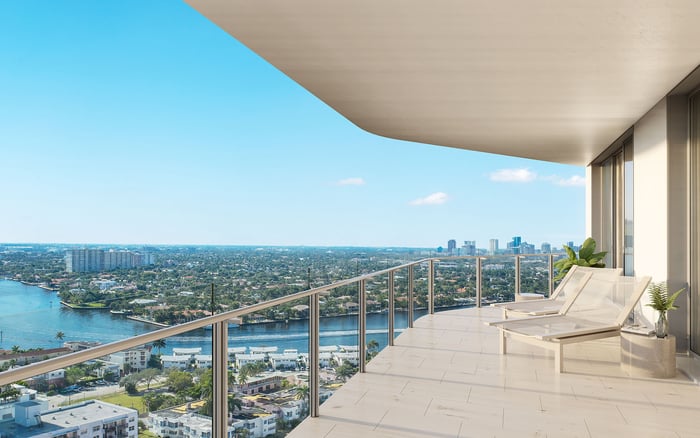
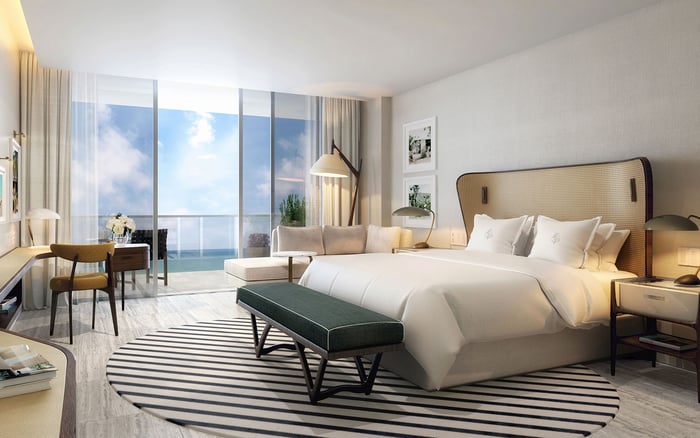
Waterfront appeal should not overshadow the acoustic brief. Prioritize an indoor dining and reception arrangement that remains attractive with the doors closed, and useful separation between entertaining rooms and bedrooms. Discreet service access and sufficient on-site parking are buyer preferences to test, not universal design mandates.
Request confirmation of the noise rules applicable to the address and intended use, including any daytime and nighttime standards. Do not plan outdoor music or late departures around an assumed quiet-hours cutoff, or assume daytime entertaining is unrestricted.
Compare lawful parking capacity with the intended invitation list. Verify whether guest vehicles must remain on-site and whether a proposed valet, drop-off or waiting arrangement is permitted rather than counting nearby street space as available capacity.
Evaluate sound, arrivals and departures together. A plan that relies on open doors, outdoor conversation and unresolved vehicle waiting space warrants further scrutiny, regardless of the property's visual appeal.
Assess privacy through the permissions and movements an evening requires. Request the actual HOA documents and gate or reception procedures covering guest lists, caterer access, deliveries, parking and event approval. Ask who can view visitor information, how substitutions are handled and how access ends after an event.
When evaluating St. Regis® Residences Bahia Mar Fort Lauderdale, apply the same practical test: can the proposed household routine be reconciled with the documented access arrangements? Do not infer neighborhood security standards or event privileges from an address or name.
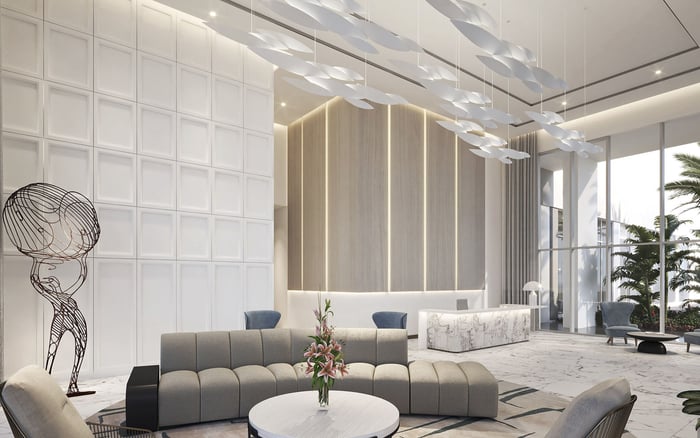
For peak-event hosting, ask management to walk through a realistic scenario involving simultaneous guest arrivals and a delayed delivery. Identify where people wait, who resolves access problems and whether service routes cross private living areas. A discreet home's procedures support the household's boundaries; an impressive entrance alone is not enough.
If short-term rental income forms part of the ownership plan, compliance belongs in the financial assessment. Confirm whether the intended operation requires a designated local contact, specified response times, noise-monitoring equipment or record retention. Obtain the current requirements before selecting a manager or budgeting for operations.
Ask counsel what would happen to rental operations if a required approval were suspended or revoked. Agree with the manager on how neighbor complaints and urgent access issues would be handled while the household is away; remote ownership should not leave those responsibilities unresolved.
Before purchase, assemble a written file covering approved use, hosting arrangements, catering permissions, access procedures and management responsibilities. Choose the residence for everyday living first, with exceptional evenings planned deliberately rather than improvised.
For a considered Fort Lauderdale property search shaped around privacy and entertaining, connect with MILLION.
If branded residences are on your mind — as a home or as an allocation — we would be glad to share what we are seeing, privately.
Begin a quiet conversationDefine whether the property will be a permanent residence, a second home or a short-stay rental. Then check the intended entertaining arrangements against current law and the property's governing documents.
No; first establish which rules govern the property's actual use. Ask local counsel to distinguish any rental-specific requirements from other applicable restrictions.
Ask counsel and management, where applicable, to identify current occupancy and gathering limits for the intended use. Clarify how overnight visitors, invited guests and service personnel are counted.
Do not assume the owner's presence changes the rules. Confirm whether any exception applies to the actual ownership and occupancy arrangement and what restrictions remain.
No. Confirm vendor access, preparation arrangements, equipment permissions and approval requirements for the specific property and event.
Off-site preparation is a planning option, not an established requirement here. Confirm the applicable permissions before choosing the service format.
Prioritize usable indoor reception space, acoustic separation, discreet service access and adequate lawful parking. These are purchase recommendations rather than universal code-mandated features.
Review actual guest-list, delivery, parking and vendor-access procedures. Test how those arrangements would handle simultaneous arrivals without compromising private living areas.
Confirm any requirements for a local contact, response times, noise monitoring and record retention. Assign responsibility for compliance, complaints and urgent access before operating.
Ask counsel whether and how a suspension would prevent rental operations. Account for that possibility before relying on rental income in the ownership budget.