A discreet decision framework for Paris buyers comparing everyday convenience, residential privacy, beach access and ownership formats in and around Coral Gables.
For a Paris buyer, the most useful starting point is not a generalized notion of Miami convenience, but a precise understanding of how the property will be used. A primary residence, a seasonal base and a discreet family retreat create distinct priorities, even when the preferred design language remains the same.
List the journeys that would shape a typical week: dining, meetings, schools, cultural engagements, airport departures, boating or beach days. Then rank them by frequency and sensitivity. A route traveled several times a week should carry more weight than an occasional destination that simply appears close on a map.
This allows Coral Gables to be assessed on its own terms. The central question is whether daily life should feel composed and residential, with coastal time treated as an intentional outing, or whether immediate proximity to the shore should define the home itself.
Convenience is not a single metric. It encompasses ease of arrival, the predictability of recurring journeys, parking arrangements, guest access and the friction involved in leaving the property. Paris buyers accustomed to organizing life by neighborhood should apply the same discipline here.
Create a scorecard with three categories. First, evaluate essential weekly destinations. Second, consider occasional but important journeys. Third, assess the quality of the final approach to the residence. A beautiful home can quickly lose appeal if every arrival feels exposed or operationally awkward.
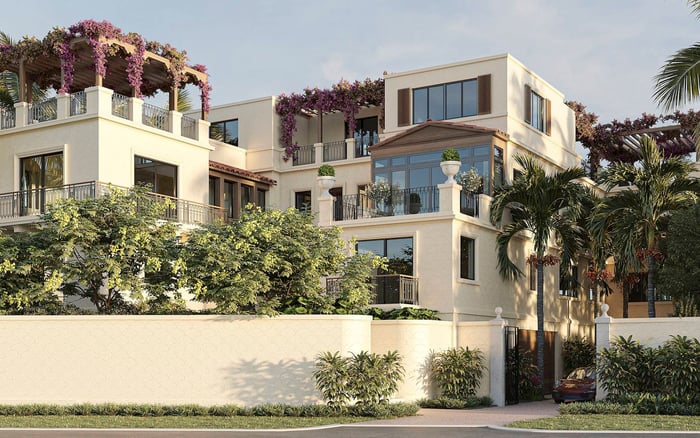
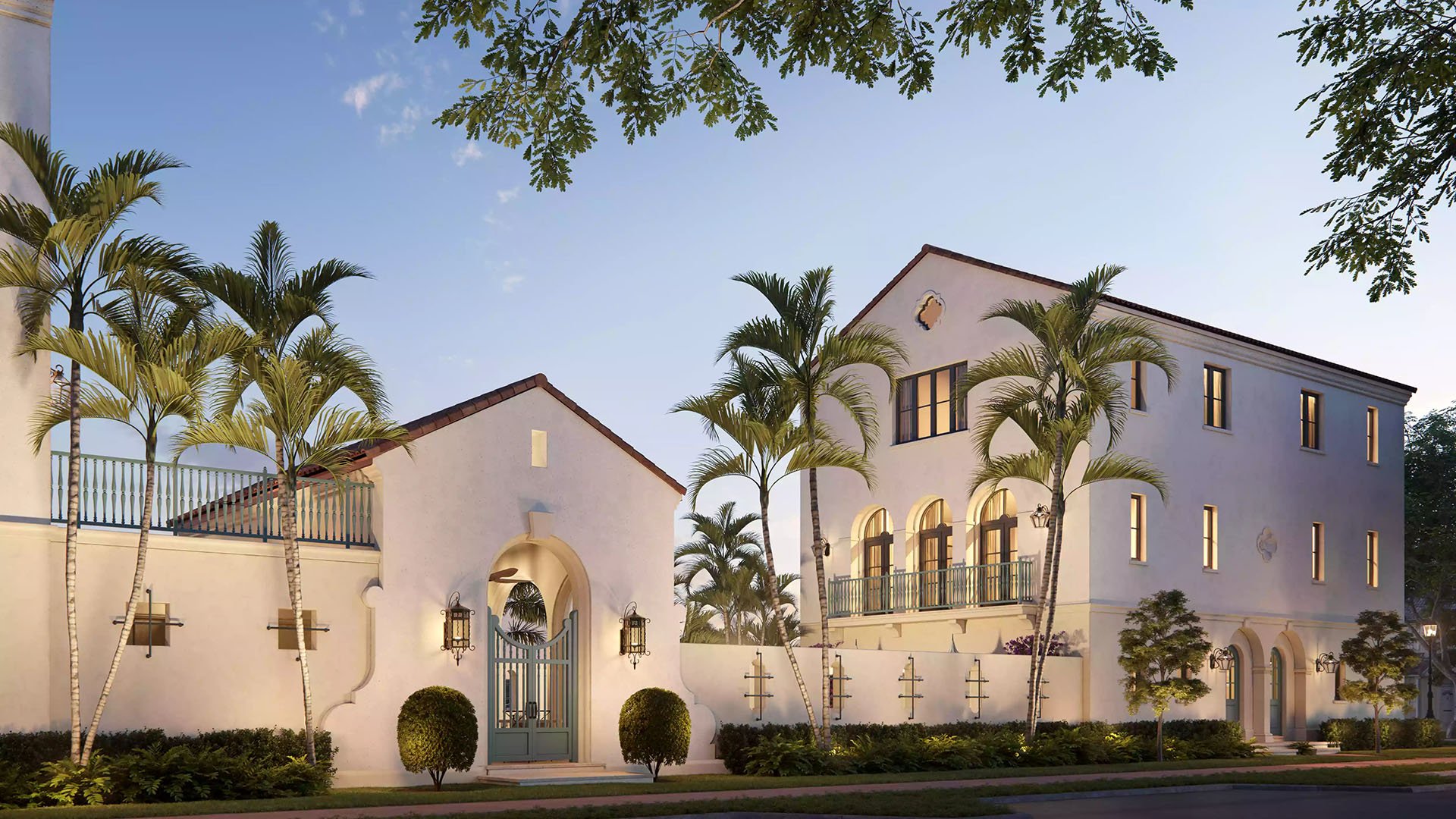
The comparison should span multiple residential formats. Ponce Park Coral Gables and The Village at Coral Gables can serve as Coral Gables reference points, with each buyer independently verifying layout, access, management and availability. The objective is not to select by name, but to determine which format best supports the intended routine.
Privacy begins before the front door. During a viewing, study the entire arrival sequence, from vehicle to lobby, lift, corridor and residence. Note where guests wait, where staff circulate and whether service activity intersects with private movement. Repeat the exercise for deliveries and household support.
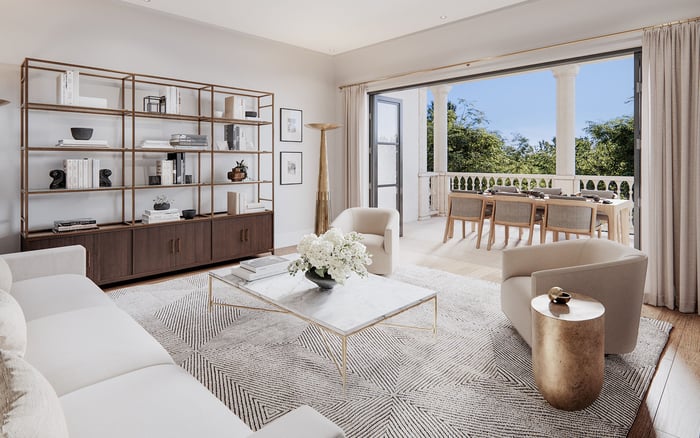
Inside, examine sightlines rather than relying on marketing language. Stand at the entrance and look toward the living room, terrace and bedrooms. Sit in the principal seating positions and assess neighboring windows, shared outdoor areas and evening visibility. Privacy can shift significantly after dark, making a second visit at another hour valuable.
For a single-family residence, extend the review to perimeter conditions, landscaping, gate placement and the relationship between entertaining areas and adjoining properties. For a condominium, focus on lift sharing, corridor traffic, amenity circulation and management protocols. In both cases, discretion results from many small decisions.
Beach access and beach privacy are not interchangeable. One buyer may prefer a calm home environment and accept a planned journey to the coast. Another may want the sea to shape every morning, even if that requires closer attention to circulation, shared amenities and neighboring activity.
To make the trade-off visible, schedule two contrasting viewings during the same trip. Compare a Coral Gables candidate with a coastal reference such as The Perigon Miami Beach. The exercise is not meant to declare one setting superior. It reveals whether the emotional value of proximity to the shore outweighs the buyer’s preferred degree of separation.
Include “beach access” as a distinct criterion in the written brief. Define what it means in practice: spontaneous morning use, occasional family afternoons, entertaining by the water or simply a visual connection. That clarity prevents an attractive idea from becoming an expensive but underused priority.
Materials and interiors can dominate a first viewing, but the ownership format often determines long-term satisfaction. A staffed residence may suit an owner who values a managed arrival and straightforward departures. A private house may appeal to someone who prefers control over the threshold, outdoor space and household operations. Neither is inherently more discreet.
A second-home buyer should pay particular attention to the opening and closing routine. Ask how the residence will be prepared before arrival, monitored while vacant and supported during stays. Confirm these points directly during diligence rather than assuming a luxury designation addresses them.
For an additional comparison, Park Grove Coconut Grove can sit alongside the Coral Gables shortlist as a distinct residential option. The purpose is to sharpen preferences around scale, service, arrival and atmosphere-not to broaden the search without discipline.
The strongest viewing is a rehearsal for ownership. Arrive as you expect to arrive in practice. Bring the family members or advisers whose routines matter. Walk from the arrival point to the principal rooms, outdoor spaces and guest areas without allowing finishes to distract from function.
This buyer’s-guide approach relies on a simple vocabulary: lifestyle, waterfront, privacy, service and mobility. Score each category immediately after leaving, then add written observations. Avoid ranking homes while still inside them, where presentation can overshadow practical considerations.
Request clarity on every matter that could influence quiet enjoyment, including access procedures, household staffing, guest circulation, maintenance responsibilities and rules governing how spaces may be used. Appropriately qualified advisers should review legal, tax, insurance and structural questions before any commitment is made.
A successful shortlist should contain genuinely different propositions, not minor variations of the same idea. One candidate might offer the most composed daily routine. Another might deliver the strongest coastal experience. A third may provide the cleanest lock-and-leave pattern.
Choose the property whose compromises are easiest to accept. If beach time is occasional, residential calm may deserve priority. If the coast is central to every stay, a beach-oriented option warrants equal scrutiny. The aim is a home that feels intuitive long after the novelty of acquisition has passed.
For Paris buyers, the most elegant outcome is rarely the residence that claims to offer everything. It is the one that aligns movement, privacy and service so precisely that ownership feels effortless.
Should a Paris buyer begin with location or property type? Begin with the intended weekly routine, then identify the location and property format that support it with the least friction.
How should convenience be measured during a short visit? Rehearse recurring journeys at relevant times and record the complete door-to-destination experience.
Is immediate beach proximity essential for a luxury purchase? Only if coastal use is central to the buyer’s routine rather than an occasional preference.
How can privacy be tested at a condominium viewing? Examine arrival, lift and corridor circulation, then test interior sightlines from the principal rooms and terraces.
What deserves attention when considering a private house? Review the perimeter, gate, landscaping, service access and relationship between outdoor areas and neighboring properties.
Should buyers compare Coral Gables with a coastal residence? Yes. A direct comparison can clarify whether residential separation or immediate coastal proximity holds greater personal value.
When should interiors influence the decision? After access, privacy, layout and ownership operations have passed the buyer’s practical tests.
What matters most for an intermittently occupied residence? Focus on preparation before arrival, oversight while vacant, maintenance responsibilities and dependable household support.
How many properties should make the final shortlist? Retain only enough candidates to represent clearly different, credible ownership propositions without diluting the decision.
Which advisers should review a potential purchase? Engage appropriately qualified legal, tax, insurance, structural and property professionals for the buyer’s circumstances.
To compare the best-fit options with clarity, connect with MILLION.
If branded residences are on your mind — as a home or as an allocation — we would be glad to share what we are seeing, privately.
Begin a quiet conversation