A practical operating plan for Malibu sellers considering Fisher Island, covering school calendars, ferry-based commute trials, staffing handoffs, and residence selection.

For a household arriving after a Malibu sale, Fisher Island offers an unusually contained version of coastal life-but demands precise choreography. With no bridge or public road connection, access is by private ferry, yacht, or helicopter. The ferry system operates around the clock throughout the year, yet the crossing is only one segment of any door-to-door journey.
Before evaluating floor plans, build a weekly operating map. Mark school arrivals, dismissals, sports, tutoring, medical appointments, parental travel, and every staff changeover. This private-school installment in MILLION's Buyer's Guides treats those obligations as integral to residence selection, not as details to resolve after closing.
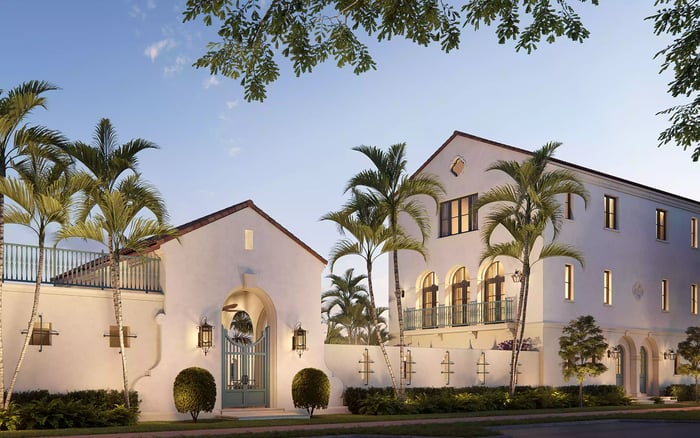
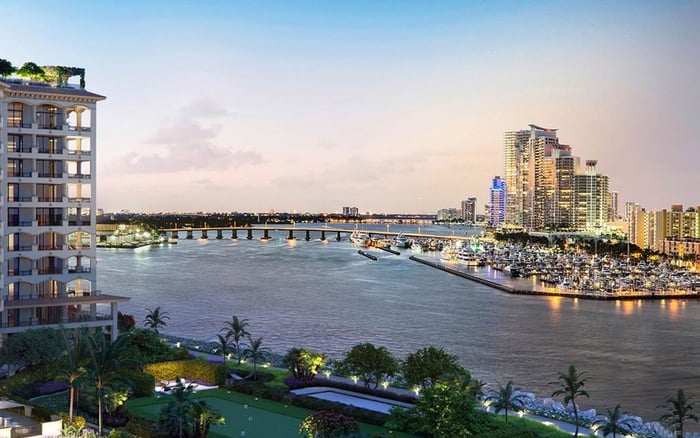
That distinction matters when considering homes such as The Links Estates at Fisher Island or The Residences at Six Fisher Island. The right choice should support the household's daily circulation, supervision plan, and need for backup coverage.
Fisher Island Day School, at 2 Fisher Island Drive, serves children from age two through Grade 8. For younger students, remaining on-island can eliminate the daily ferry journey to schools in Miami Beach, Coconut Grove, or Coral Gables. Because the school ends at Grade 8, students in Grades 9 through 12 require an off-island high-school plan.
Obtain the current academic calendar directly from every shortlisted school. Then place start times, early releases, holidays, teacher workdays, exams, performances, and activity schedules on a single family calendar. Add distinct instructions for ordinary mornings, testing days, late practices, and occasions when one or both parents are away.
The purpose is not merely to identify conflicts. It is to reveal how often the household must cross the water-and where supervision could become thin. Keeping school, sports, tutoring, and social plans on-island when practical can reduce ferry cycles and make coverage more resilient.
The ferry crossing takes approximately eight minutes, but waiting, security, loading, unloading, and mainland traffic all shape total travel time. On weekdays from 7:00 to 10:00 a.m., three ferries serve Terminal West at 10-minute intervals. Island departures are scheduled at :05, :15, :25, :35, :45, and :55; mainland departures begin on the hour and continue every 10 minutes.
Outside that morning period, the schedule generally shifts to 15-minute intervals, with Terminal East used overnight and on weekends. Verify the live timetable before relying on any pattern, as terminal assignments and operating windows can change.
Run each school route at its actual weekday departure time. Repeat the journey for regular arrival, early exam check-in, afternoon dismissal, and evening activities. Begin at the prospective residence, include the internal trip to the ferry, and finish at the school entrance. A standardized-test morning warrants an earlier sailing: missing one ferry can add another interval before the mainland drive even begins.
For buyers comparing established residences, Palazzo del Sol and Palazzo della Luna belong within the same operational framework. Test the journey from the precise home under consideration rather than accepting a generic island estimate.
The mainland ferry terminal is gated and located on the MacArthur Causeway. Nannies, tutors, nurses, drivers, and other personnel therefore require advance access coordination. Staff contracts should define the start of paid coverage in a way that reflects arrival on the island-not merely arrival at the mainland terminal.
Build rosters around the applicable 10- or 15-minute ferry interval, with an added buffer for security and loading. For childcare handoffs, keep the outgoing caregiver on duty until the incoming caregiver has cleared the ferry and reached the residence. The same principle applies to nursing coverage, drivers accompanying children, and evening personnel relieving a daytime team.
Create a contingency sheet listing authorized alternates, terminal-access status, contact order, and instructions for a missed sailing. If uninterrupted overnight or medical coverage is essential, on-island accommodation for key personnel can reduce ferry dependence. This is not about excess staffing; it is about continuity.
Fisher Island's private beaches, golf, deep-water marinas, racquet facilities, wellness amenities, dining, and schooling allow a substantial share of family life to remain local. Residents commonly travel by golf cart, bicycle, or on foot, supported by the absence of public through-traffic.
The most successful transition from Malibu is therefore not an attempt to reproduce the old schedule. It is a considered redesign: fewer unnecessary crossings, clearly defined staff overlaps, school choices tested under real conditions, and a residence aligned with the household's actual rhythms.
How is Fisher Island reached? Fisher Island has no bridge or public road connection. Residents and visitors arrive by private ferry, yacht, or helicopter.
Does the ferry operate overnight? The community transportation system operates 24 hours a day, 365 days a year. Verify the live timetable and terminal before every time-sensitive trip.
How long is the ferry crossing? The crossing takes approximately eight minutes. Total travel time also includes waiting, security, loading, unloading, and mainland traffic.
What is the weekday morning ferry frequency? From 7:00 to 10:00 a.m., three ferries serve Terminal West at 10-minute intervals. Other periods generally operate at 15-minute intervals.
Can children attend school on Fisher Island? Fisher Island Day School serves children from age two through Grade 8, allowing enrolled students to remain on-island.
What happens after Grade 8? Families must plan for an off-island high school. Test start-time, dismissal, exam, and activity journeys before finalizing enrollment.
Which school commutes should a buyer test? Test ordinary mornings, early exam arrivals, afternoon dismissals, and evening activities. Use the actual weekday departure time for each run.
How should standardized-test mornings be handled? Choose an earlier ferry than usual. A missed sailing can add another scheduled interval before the mainland drive begins.
How should staff shifts be scheduled? Base the handoff on the employee reaching the residence, not the mainland terminal. Keep outgoing coverage in place until the replacement arrives.
When does on-island staff accommodation make sense? It can support uninterrupted overnight, childcare, or medical coverage while reducing exposure to missed sailings during critical handoffs.
When you're ready to tour or underwrite the options, connect with MILLION.
If branded residences are on your mind — as a home or as an allocation — we would be glad to share what we are seeing, privately.
Begin a quiet conversation