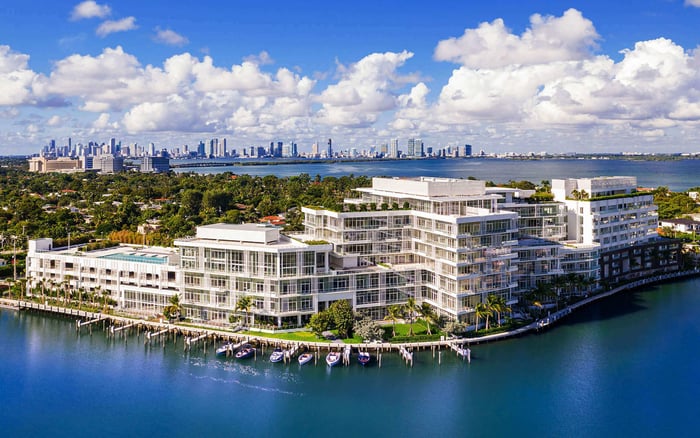
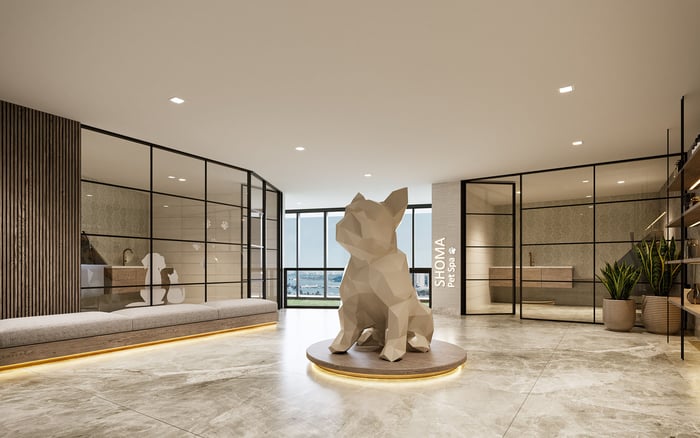
A discreet framework for choosing a South Florida condominium around winter routines, preferred neighborhoods, privacy, services, guests, and long-term ownership obligations.

A South Florida condominium can be more than a winter address. For the seasonal buyer, it can serve as a private base for dinners, cultural engagements, time on the water, family visits, and the quieter intervals between commitments. The right purchase should support that rhythm without becoming another obligation to manage from afar.
Begin with a simple premise: buy for the life you will actually lead, not an imagined calendar. A residence suited to frequent entertaining may differ from one intended for restorative weekends. Likewise, a buyer who prefers spontaneous evenings close to home may value a different setting than one whose winter routine centers on privacy, boating, golf, or family.
This is ultimately a lifestyle decision, but it should be tested with the discipline of a long-term acquisition. The social season may shape when the home is used. It should not obscure how the home is owned.
Before touring, write a concise ownership brief. Identify expected arrival patterns, typical length of stay, likely guests, household staffing needs, transportation preferences, pet requirements, and the level of entertaining the residence must accommodate. Distinguish essentials from amenities that are merely appealing during a presentation.
Second-home ownership also raises questions that a primary-residence search can overlook. Who prepares the home before arrival? How will deliveries, vehicles, maintenance appointments, and storm preparations be handled during an absence? Is the buyer comfortable coordinating these details personally, or should the building and outside professionals carry more of the burden?
A useful brief also defines the desired level of anonymity. Some owners prefer a socially active residential environment. Others want controlled arrivals, limited exposure in shared spaces, and a home that feels removed from the pace beyond its doors. Neither preference is inherently superior. Clarity simply prevents a glamorous lobby from outweighing daily compatibility.
South Florida does not offer a single winter experience. The most suitable location is the one that minimizes friction between home and the places that matter most to the owner. Consider anticipated evening destinations, family connections, professional commitments, preferred airports, clubs, marinas, beaches, and medical relationships. Then assess the route, not merely the distance.
In Miami Beach, an ocean-oriented buyer may compare established residential choices such as Setai Residences Miami Beach with newer possibilities such as Shore Club Private Collections Miami Beach. The comparison should center on ownership fit, privacy expectations, residence configuration, and how each address relates to the buyer's personal circuit.
Brickell presents a different framework, particularly for owners who want a city setting. Reviewing The Residences at 1428 Brickell can clarify whether an urban condominium belongs at the center of the seasonal plan-or whether the buyer would prefer to visit the district rather than live within it.
Farther north, Palm Beach may appeal to buyers whose preferred winter pattern is anchored there. A residence such as Palm Beach Residences should be considered through the same lens: not as an isolated object, but as one element of a complete seasonal routine.
A seasonal home should work equally well on an ordinary morning and a fully booked evening. Study the arrival sequence, elevator access, separation between private and social rooms, kitchen functionality, storage, guest accommodations, acoustic privacy, outdoor exposure, and the ease of closing the residence after a stay.
For entertaining, do not rely on stated capacity alone. Consider how guests move from the entry to living areas, whether service can remain discreet, and whether terraces or balconies function as extensions of the interior for the owner's preferred style of gathering. For family use, assess bedroom separation, overnight privacy, children's needs, and the practical placement of laundry and storage.
Seasonal wardrobes, luggage, sports equipment, wine, linens, and owner supplies require more space than a brief tour may suggest. If personal items must be repeatedly shipped or reorganized, the residence can begin to feel temporary. The goal is immediate ease upon arrival.
The condominium is only part of the purchase. Seasonal ownership depends heavily on building operations, governance, rules, and the reliability of procedures during an owner's absence. Request current governing documents, budgets, insurance information, reserve materials, meeting records, house rules, application requirements, and any relevant disclosures. Qualified legal, tax, insurance, and inspection professionals should review the applicable materials.
Discuss guest access, household employees, vendors, deliveries, renovations, pets, vehicles, and extended absences. If leasing flexibility matters, confirm the current rules and approval process rather than assuming future optionality. A policy that appears minor during acquisition can materially affect how the home functions later.
Service should be evaluated with equal precision. Determine what the building handles, what requires a separate provider, how requests are documented, and who may enter the residence while the owner is away. A polished amenity program is valuable only when the underlying operating model aligns with the owner's expectations.
The purchase price is only the entry point. Request a clear account of recurring assessments, insurance responsibilities, property taxes, utilities, maintenance, staffing, management, vehicle arrangements, and interior upkeep. Furnishings, window treatments, technology, art installation, and seasonal preparation may also belong in the initial plan.
The objective is not simply to minimize expenditure, but to understand the cost of maintaining the residence at the owner's expected standard. Buyers should also consider how capital projects, changes in building costs, or personal service requirements could affect future obligations. Any financial projection should be reviewed with the appropriate advisers.
Before proceeding, revisit the residence at a time that reflects its expected use. Walk the arrival route, observe shared spaces, test cellular and internet needs, inspect natural light, and listen for sound from adjacent areas. Confirm dimensions for furniture and art rather than estimating them visually.
Finally, ask whether the home remains compelling after the winter calendar quiets. A strong seasonal purchase should have enduring qualities independent of invitations and events: a comfortable plan, a suitable location, dependable operations, and a level of privacy that feels natural. That is the distinction between acquiring access to a season and establishing a true South Florida home.
Should I choose the neighborhood before the building? Usually, yes. Establish the daily circuit first, then compare buildings that support it.
How should I plan for long absences? Define who will inspect, prepare, secure, and service the residence while you are away.
Do amenities matter for seasonal ownership? They matter when they support actual routines. Prioritize those you expect to use consistently.
What should I review about condominium governance? Have qualified advisers examine governing documents, budgets, rules, records, and applicable disclosures.
How can I evaluate privacy during a tour? Study arrivals, elevator access, sightlines, shared spaces, guest procedures, and acoustic separation.
Should guest needs influence the floor plan? Yes. Consider bedroom separation, bathroom access, storage, circulation, and overnight privacy.
What belongs in a seasonal ownership budget? Include recurring property costs, insurance, utilities, maintenance, management, staffing, and interior care.
Can I assume I will be permitted to lease the residence? No. Confirm current leasing rules, approval procedures, and restrictions before making that assumption.
Why revisit a residence before contracting? A second visit can reveal practical details involving light, sound, access, dimensions, and shared areas.
When is a seasonal condo the right choice? It is appropriate when the location, residence, operations, and obligations align with your real pattern of use.
For a tailored shortlist and next-step guidance, connect with MILLION.
If branded residences are on your mind — as a home or as an allocation — we would be glad to share what we are seeing, privately.
Begin a quiet conversation