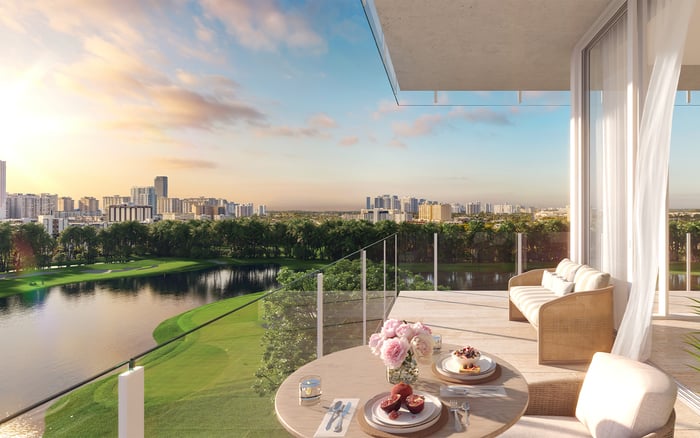
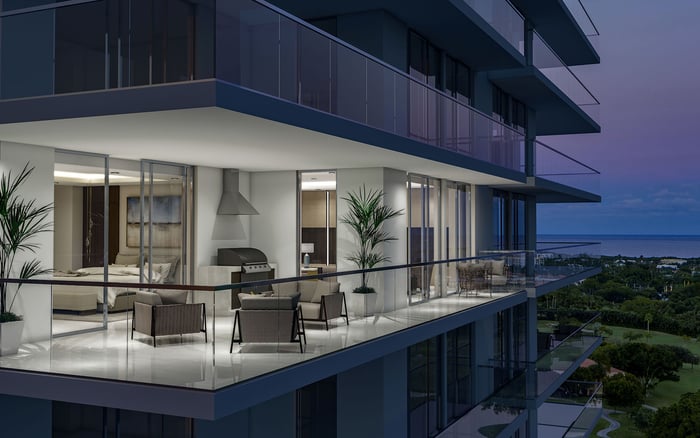
In South Florida’s private-club residential market, an outdoor kitchen is not merely a lifestyle upgrade. Its durability can influence maintenance, service cadence, enjoyment, and the long-term cost of ownership.
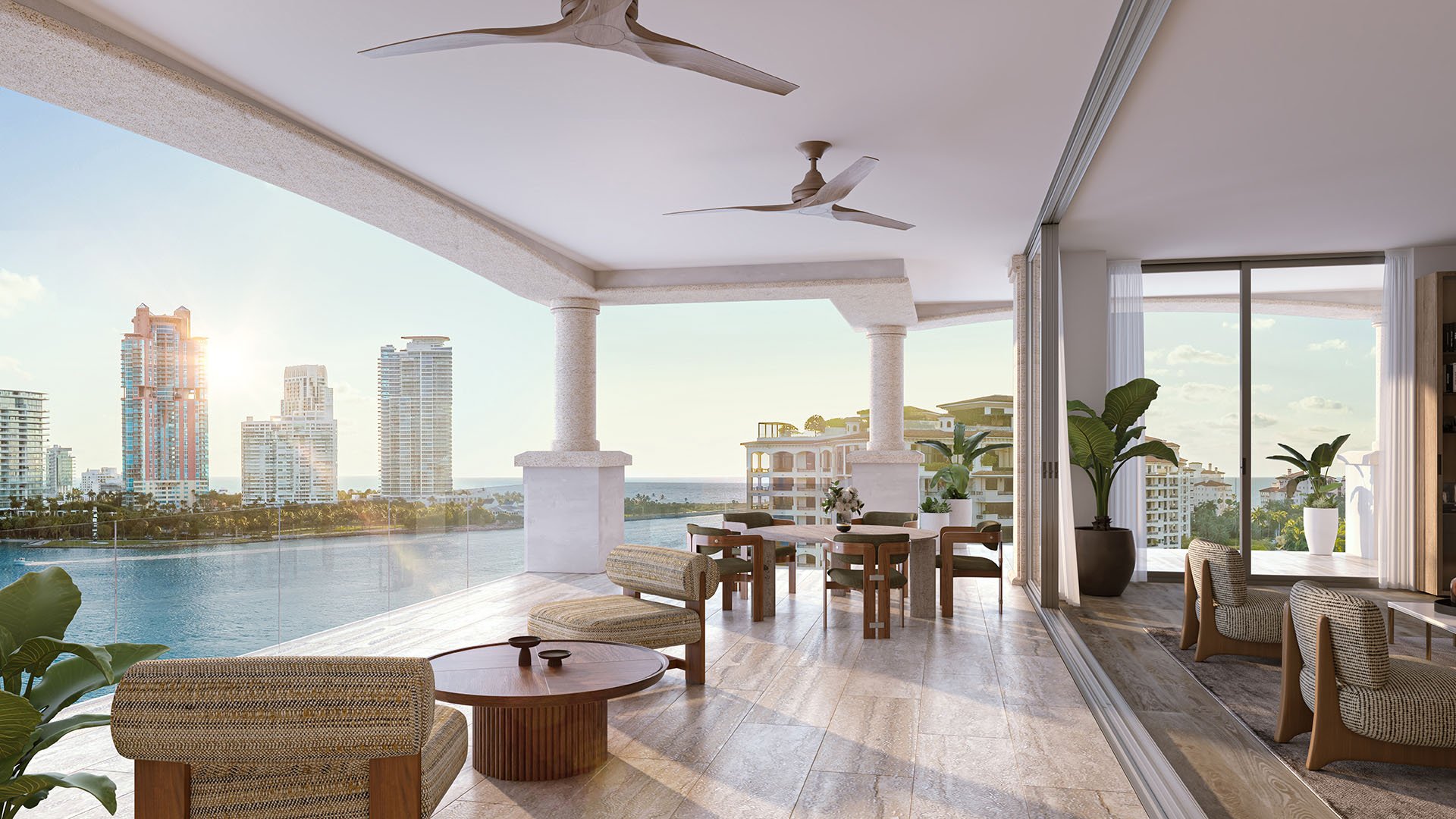
In South Florida’s private-club residential market, the outdoor kitchen has moved beyond entertaining. It is now part of the ownership equation. A grill, sink, refrigeration drawer, stone counter, cabinetry system, and terrace ventilation plan may read as lifestyle selections, but in a coastal climate, they become operating assets. Their durability can determine whether a residence feels effortless for years or slips into a cycle of repairs, refinishing, and compromise.
For buyers comparing club-centric homes and condominiums, the question is not simply whether an outdoor kitchen exists. It is whether it was specified for South Florida conditions, for the way the owner actually lives, and for the service rhythm of a high-touch residence. In private-club environments, where entertaining often flows from golf, boating, wellness, and dining back into the home, exterior kitchen performance can have a visible impact on the real cost of ownership.
That cost is not always reflected in the purchase price. It appears in appliance replacement, stone staining, cabinet corrosion, inconsistent refrigeration, drainage issues, difficult service access, and the subtle depreciation of a terrace that no longer presents as pristine. The more valuable the residence, the less tolerance there is for outdoor elements that age quickly.
South Florida rewards outdoor living, but it is an unforgiving setting for materials. Salt air, heat, humidity, intense sun, wind-driven rain, and frequent use can expose weak specifications quickly. A private-club residence may have excellent interiors, curated amenities, and a coveted address, yet the exterior kitchen still requires its own due diligence.
The durability premium begins with the envelope around the kitchen. Covered terraces protect finishes better than fully exposed installations, but coverage alone does not solve heat, moisture, or air movement. Cabinetry should be evaluated for exterior-grade construction, hardware resilience, and the treatment of seams and fasteners. Counters should be assessed not only for beauty, but for porosity, heat behavior, staining risk, and edge vulnerability. Appliances should be suited to outdoor use, with proper ventilation and a realistic understanding of how they will be maintained.
This is where lifestyle expectations and ownership discipline meet. A kitchen designed for weekly family dinners has different durability demands than one designed for frequent catered events. A terrace used after golf, tennis, marina days, or club dining needs surfaces that can tolerate repetition. In the best residences, the outdoor kitchen recedes into the pleasure of the evening because the technical decisions were made early and well.
Private-club residences are often used with a different cadence than typical second homes. Owners may arrive for concentrated seasonal stays, host guests, and expect every area to perform immediately. Staff, chefs, property managers, and building teams may interact with the terrace kitchen more often than the owner does. That makes access, cleanability, and serviceability part of luxury.
At Shell Bay by Auberge Hallandale, buyers focused on Hallandale Beach club living will naturally consider the relationship between residence, recreation, and hospitality. The private terrace becomes an extension of that rhythm. If the outdoor kitchen is difficult to clean, exposed to avoidable wear, or dependent on delicate finishes, the residence may carry a higher operating burden than its marketing suggests.
In Fisher Island settings, where privacy and resort-style ease are central to the ownership experience, the same principle applies at an even more discreet level. Buyers considering The Links Estates at Fisher Island or The Residences at Six Fisher Island are often evaluating a total lifestyle environment, not a single amenity. The outdoor kitchen should support that standard without drawing attention to maintenance.
The most expensive outdoor kitchen problems often begin as small mismatches. A beautiful counter material may not be the best choice beside a grill. Cabinet doors may look refined at delivery but lose alignment under exterior conditions. Refrigeration may be placed where sun exposure forces it to work harder. A sink may be convenient until drainage, backsplash, or water management proves imperfect.
There is also the matter of replacement complexity. In a condominium or private-club residence, changing an exterior appliance can involve access scheduling, building rules, elevator protection, terrace logistics, and coordination with management. The cost is rarely just the appliance. It can include labor, removal, finish repair, delays, and the loss of use during peak season.
A durable installation reduces those friction points. It does not eliminate maintenance, but it makes maintenance predictable. For owners who value privacy, fewer unnecessary service visits matter. For those who entertain often, durability protects presentation. For investors and legacy buyers, it preserves the sense that the residence has been properly built for its setting.
A serious buyer should treat the outdoor kitchen as a compact mechanical and architectural system. Start with placement. Is it protected from direct weather where possible, or at least detailed to manage exposure? Is there room to cook without smoke or heat overwhelming lounge and dining areas? Is refrigeration shaded, ventilated, and accessible? Are power, plumbing, lighting, and drainage integrated cleanly rather than added as afterthoughts?
Then study materials with skepticism. Exterior-grade stainless steel is not a single standard in practice; details, hinges, handles, frames, and fasteners matter. Stone should be chosen with the owner’s tolerance for patina in mind. Some buyers appreciate natural aging; others expect a showroom finish. Both positions are valid, but the specification should match the expectation.
Boca Raton buyers comparing club-oriented living around The Residences at Mandarin Oriental Boca Raton may prioritize service integration and polish, while Palm Beach Gardens buyers considering The Ritz-Carlton Residences® Palm Beach Gardens may place equal emphasis on outdoor entertaining, privacy, and proximity to recreation. In both cases, the right question is the same: will the terrace kitchen age in line with the residence?
Outdoor kitchen durability rarely becomes a headline feature in a listing, yet it shapes how a buyer feels during a showing. Clean cabinet lines, well-preserved counters, properly functioning refrigeration, intact hardware, and a terrace that smells fresh rather than damp all contribute to confidence. The buyer senses care before asking for documents.
Waterfront homes and condominiums face particular scrutiny because exterior conditions are part of the appeal and the challenge. A waterfront terrace that looks spectacular but shows premature wear can raise broader questions about the building, the owner’s maintenance habits, or the original specification. Conversely, a resilient outdoor kitchen reinforces the impression of a well-considered residence.
Durability also supports optionality. Some buyers want to entertain extensively. Others want a quiet morning coffee station and occasional dinner service. A robust, understated design can satisfy both groups. Over-personalized or fragile installations may narrow the audience.
In the ultra-premium segment, luxury is often measured by what does not happen. No awkward service call before guests arrive. No stained stone after a catered evening. No cabinet swelling after a storm. No owner wondering why an expensive terrace feature already feels tired.
The best outdoor kitchens in South Florida private-club residences are not necessarily the most elaborate. They are the ones whose materials, placement, ventilation, storage, and service access are aligned with the climate and the owner’s life. Their value is cumulative. Month after month, season after season, they preserve ease.
That is why durability can change the real cost of a residence. It transforms an amenity from a decorative promise into a long-term asset. In a market where private-club living is defined by discretion, comfort, and continuity, the outdoor kitchen deserves more attention than it usually receives.
Why does outdoor kitchen durability matter so much in South Florida? The climate can be demanding on exterior materials, appliances, and hardware. Durable specifications help reduce avoidable maintenance and preserve the terrace experience.
Is an outdoor kitchen always a value-add for a private-club residence? It can be, if it is well designed and properly maintained. A poorly specified kitchen may add more upkeep than value.
What should buyers inspect first? Look at cabinetry, appliance condition, counter surfaces, drainage, ventilation, and service access. These details often reveal how well the installation will age.
Are covered terraces enough to protect an outdoor kitchen? Coverage helps, but it is not a complete solution. Heat, humidity, salt air, and everyday use still require exterior-grade materials and thoughtful detailing.
Can a beautiful stone counter be impractical outdoors? Yes, some materials can stain, etch, or require more care than an owner expects. Beauty should be weighed against maintenance tolerance.
How does private-club living affect outdoor kitchen use? Club residences often host guests, seasonal stays, and staff-supported entertaining. That higher service rhythm makes durability and cleanability more important.
Should buyers ask about appliance brands? Brand matters less than outdoor suitability, ventilation, installation quality, and service access. Even strong appliances can underperform if placed poorly.
Does durability influence resale? It can support buyer confidence during showings. A well-preserved terrace suggests thoughtful ownership and reduces perceived future friction.
Is a larger outdoor kitchen always better? Not necessarily. A compact, resilient, well-placed kitchen can outperform a larger installation that is overexposed or difficult to maintain.
What is the smartest approach before purchasing? Evaluate the outdoor kitchen as part of the residence’s operating cost, not as a decorative amenity. The best installations are elegant, serviceable, and climate-aware.
For a confidential assessment and a building-by-building shortlist, connect with MILLION.
If branded residences are on your mind — as a home or as an allocation — we would be glad to share what we are seeing, privately.
Begin a quiet conversation