For South Florida lock-and-leave buyers, an outdoor kitchen is not only a lifestyle amenity. Its durability can shape maintenance, negotiating leverage, operating confidence, and the true cost of ownership.
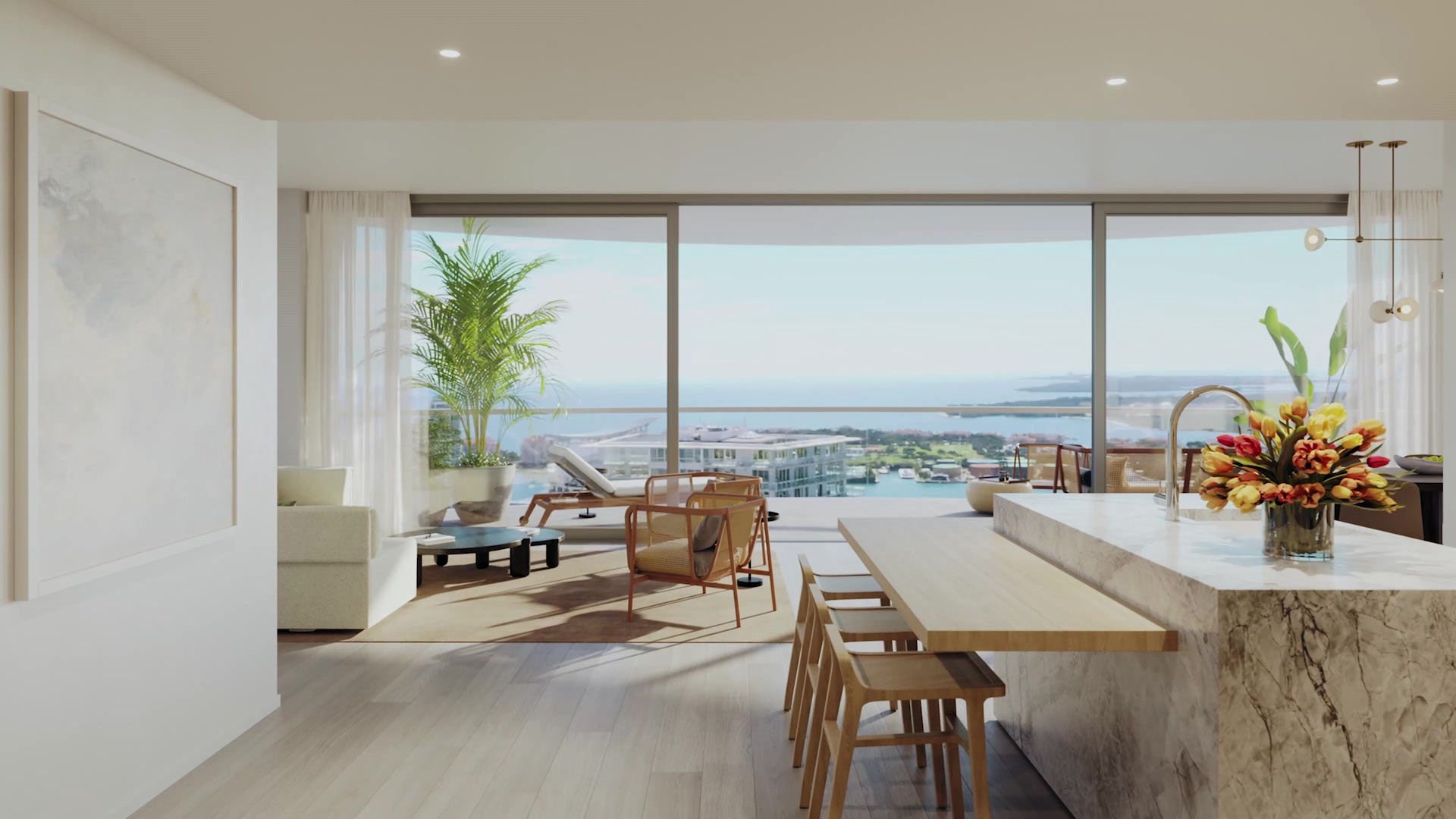
In South Florida luxury real estate, the outdoor kitchen has moved from entertaining flourish to ownership infrastructure. For a lock-and-leave buyer, that distinction matters. A grill, sink, refrigeration drawer, stone counter, cabinet system, and surrounding terrace may photograph beautifully, but the more important question is how calmly the installation performs when the owner is away.
This is especially relevant for a second-home owner who expects the residence to feel ready on arrival. The cost of an outdoor kitchen is not limited to the original installation or the premium it may add to a listing narrative. It includes the maintenance rhythm, repair exposure, manager oversight, replacement likelihood, and the risk that an outdoor space becomes something the owner avoids because it feels too delicate.
A durable outdoor kitchen protects more than appliances. It protects spontaneity. It allows a waterfront residence, high-floor balcony, or garden-facing terrace to function as intended: a private extension of the home, available without a small facilities meeting before dinner.
Durability is often discussed as if it were a single material decision. In practice, it is a system. Cabinetry, stone, hinges, fasteners, appliance placement, drainage, ventilation, covers, lighting, utility access, and cleaning protocol all have to work together. One weak detail can turn a refined terrace into a recurring service item.
For buyers, the most useful question is not simply, “Is there an outdoor kitchen?” It is, “How was this designed to be left alone?” A lock-and-leave home has different demands than a primary residence with daily attention. It needs surfaces that do not require fussy routines, equipment that can be secured between visits, and layouts that allow staff or building personnel to inspect and service the area without disrupting the interior.
This is where true luxury becomes quiet. The best outdoor kitchens do not announce their resilience. They simply keep working. Doors align, drawers close cleanly, countertops do not feel vulnerable, and service points are reachable without moving furniture or removing panels. The owner recognizes durability because there is little to notice.
A fragile outdoor kitchen may create direct expenses, but friction is often the more revealing cost. If a homeowner must schedule extra inspections after every absence, store cushions and accessories in multiple places, avoid certain appliances, or wait for parts before hosting, the outdoor amenity has become operationally expensive.
In a condominium setting, friction can also affect the relationship between private enjoyment and building protocol. Outdoor cooking areas need to be understood in the context of association rules, terrace use, maintenance access, and any limitations on appliances or modifications. A buyer looking at a Brickell residence such as 2200 Brickell may evaluate outdoor functionality differently from a buyer prioritizing a low-density coastal retreat. The due diligence should follow the specific residence, not a generic amenity checklist.
The same principle applies across Miami Beach, the barrier islands, and emerging waterfront corridors. In a setting like The Perigon Miami Beach, the outdoor living conversation naturally becomes part of how one evaluates privacy, exposure, serviceability, and the continuity between interior design and exterior use.
Photography tends to reward scale, sunsets, and staging. Durability lives in the details. Buyers should ask to see how cabinet doors seal, where water moves, how appliances are protected, whether utilities can be isolated, and how easily the entire area can be cleaned before departure. If the kitchen is integrated into a larger terrace, the relationship between cooking, dining, seating, and circulation should feel intuitive.
A strong outdoor kitchen does not have to be oversized. In many luxury residences, restraint is preferable. A compact, well-specified kitchen that is easy to maintain may be more valuable than a dramatic installation with too many exposed components. The point is not to recreate an indoor chef’s kitchen outdoors. The point is to support the way the owner actually lives.
At properties such as Vita at Grove Isle, buyers may think about outdoor living through a quieter, more residential lens: arrival, privacy, water, greenery, and the ability to host without leaving the comfort of home. Durability makes that lifestyle repeatable.
Outdoor kitchen condition can shape a negotiation even when it is not the headline feature. A buyer may not assign a separate line-item value to every hinge or appliance, but visible wear, uncertain service history, or impractical placement can affect confidence. If the outdoor kitchen appears robust, recently maintained, and thoughtfully integrated, it can support the broader impression that the residence has been cared for.
If it appears ornamental rather than functional, the buyer may view it as future work. That does not always mean a price reduction. It may mean a more conservative approach to furnishings, a request for service records, a deeper inspection period, or a reserve for replacement. The point is to recognize that the outdoor kitchen is not neutral. It either strengthens the lock-and-leave proposition or complicates it.
This is particularly important for buyers comparing new and resale options. New-construction settings may present outdoor living as part of a polished lifestyle package, while resale homes offer the chance to see how materials have actually aged. Neither is automatically superior. The better choice is the one where the outdoor environment, building rules, and owner expectations are aligned.
A buyer focused on a full-service coastal condominium may prioritize ease, staff familiarity, and minimal owner intervention. In Pompano Beach, a residence such as The Ritz-Carlton Residences® Pompano Beach invites a different outdoor-living analysis than an urban pied-à-terre: how often the space will be used, whether entertaining is casual or formal, and how much of the residence’s identity depends on open-air living.
In Bal Harbour, Surfside, Coconut Grove, and Palm Beach, the calculus can shift again. Some buyers want a ceremonial outdoor kitchen for weekend gatherings. Others want a discreet morning-coffee counter, refrigeration, and an elegant place to serve. In each case, durability should be measured against actual use, not fantasy use.
For a waterfront buyer, the outdoor kitchen often carries emotional weight. It is where the view becomes social. It is also where poor specification can become most visible over time. The more central the terrace is to the value proposition, the more seriously the buyer should treat outdoor kitchen due diligence.
Before writing off an outdoor kitchen as cosmetic, walk it like an owner. Open everything. Look at the underside of counters. Ask how the area is secured when the home is vacant. Understand what is included in routine maintenance. Confirm whether appliances are built-in, replaceable, or dependent on custom dimensions. Review whether the design allows future upgrades without disturbing major finishes.
Consider the after-visit routine. Can the space be cleaned, covered, powered down, and visually reset in a reasonable amount of time? Can a property manager see what needs attention? Is there a sensible place for tools, covers, and supplies? Does the lighting support evening use without making the terrace feel overbuilt?
The right answer is not always the most elaborate installation. For many South Florida lock-and-leave buyers, the best outdoor kitchen is the one that disappears into the rhythm of ownership. It adds pleasure without adding anxiety.
Why does outdoor kitchen durability matter for a lock-and-leave home? Because the home may sit unused between visits, durable outdoor features help reduce maintenance friction and arrival-day surprises.
Is an outdoor kitchen always a value-add? Not always. It adds value when it is usable, well integrated, and practical to maintain within the residence’s ownership model.
What should buyers inspect first? Start with cabinetry, appliance condition, drainage, utility access, and how the installation can be secured when the owner is away.
Should a buyer prefer a smaller outdoor kitchen? Sometimes. A smaller, better-detailed installation can be more desirable than a large layout that is difficult to maintain.
How does a balcony change the analysis? A balcony kitchen requires close attention to building rules, ventilation, circulation, and the relationship between cooking and seating.
What should second-home buyers ask the seller? Ask how the outdoor kitchen is maintained, what has been replaced, and what routine is followed before extended absences.
Does a terrace kitchen need custom components? Custom work can look seamless, but buyers should understand replacement access and whether future servicing will be straightforward.
How can durability affect negotiations? Visible wear or unclear maintenance history can influence inspection strategy, repair requests, or the buyer’s reserve for future work.
Are outdoor kitchens different in condominiums? Yes. Condominium buyers should consider association rules, permitted equipment, service access, and terrace-use limitations.
What is the simplest sign of a well-planned outdoor kitchen? It feels easy to close, clean, protect, and use again without turning ownership into a project.
For a confidential assessment and a building-by-building shortlist, connect with MILLION.
If branded residences are on your mind — as a home or as an allocation — we would be glad to share what we are seeing, privately.
Begin a quiet conversation