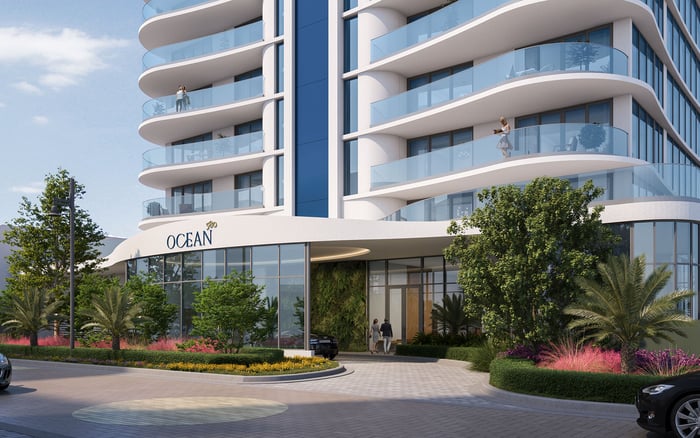
A discreet guide for South Florida luxury buyers weighing homestead planning as both a lifestyle commitment and a balance-sheet decision in 2026.

For high-net-worth buyers in South Florida, homestead planning is often framed as a technical exercise. In practice, it is far more personal. It begins with a question that seems simple and quickly becomes revealing: which residence is truly home?
In 2026, that question carries real weight. Families are increasingly mobile, with business interests, family offices, school calendars, yachts, clubs, art storage, wellness routines, and multigenerational obligations spread across several addresses. A waterfront condominium may serve as the weekday base. A Palm Beach estate may hold the social center of gravity. A mountain or international residence may compete for emotional priority. Homestead planning asks an owner to distinguish convenience from permanence.
The strongest decisions are not driven by sentiment alone. They are made where lifestyle and governance meet. If the home anchors physicians, advisers, family meetings, charitable commitments, and school or club networks, the planning case becomes clearer. If it is primarily a seasonal asset, the balance-sheet case may require a different structure.
A luxury residence is rarely just shelter. It is capital allocation, privacy architecture, family symbolism, and sometimes a liquidity event waiting to happen. Homestead planning therefore belongs in the same conversation as portfolio construction, trust design, insurance review, and succession planning.
The first balance-sheet question is opportunity cost. Capital placed in a primary residence can support family stability and long-term enjoyment, but it can also reduce flexibility. Buyers should consider how much equity they want concentrated in one property, whether financing improves or complicates the overall plan, and how carrying costs feel under several market scenarios.
The second question is control. Ownership structure should be discussed before contract execution, not after closing. The way a residence is titled may affect administration, succession, privacy, financing, and future sale mechanics. The right answer is highly individualized and should be coordinated with legal, tax, lending, and estate advisers.
The third question is exit. Even the most beloved residence should be evaluated for resale depth, buyer profile, maintenance intensity, and adaptability. A homestead decision is not anti-investment. It is investment discipline applied to a home that also carries emotional utility.
The luxury buyer entering 2026 is often moving faster than the planning team. A desirable residence appears, the family aligns, the offer is prepared, and only then does the homestead conversation begin. That sequence can create friction.
Earlier coordination gives the buyer more options. Before touring seriously, families should define whether the purchase is intended as a primary base, a second home, a bridge property, or a long-term legacy asset. Each answer can change the ownership discussion, financing appetite, renovation budget, and even the neighborhood map.
For buyers considering new construction, planning should also include timing. Delivery schedules, interim housing, deposits, customization choices, and move-in assumptions all affect when a residence actually becomes the family center. For resale properties, diligence may focus more immediately on condition, insurability, maintenance history, and whether the home can support the way the family lives now.
The point is not to slow the acquisition. It is to prevent a trophy purchase from becoming administratively awkward.
South Florida offers several versions of primary-residence life. Brickell can serve the globally connected buyer who wants proximity to finance, dining, private aviation routes, and a vertical urban rhythm. Miami Beach can deliver a more resort-oriented identity, with the ocean, design culture, and social access woven into daily life. Palm Beach often appeals to households seeking discretion, legacy, and a more established residential cadence.
None is inherently better. Each implies a different definition of home.
A buyer who conducts most meetings in the urban core may find that a beautifully serviced condominium supports family efficiency better than a large estate. Another household may prefer oceanfront privacy, staff circulation, and outdoor living that makes entertaining effortless. A family with school-aged children may prioritize routine, commute, and security above postcard views.
Homestead planning should respect that rhythm. If a residence is selected because it photographs well but does not support weekday life, the planning case may weaken. If it improves daily decision-making, family cohesion, and long-term residence clarity, the balance-sheet argument becomes stronger.
At the upper end of the market, a home is often part of a broader family system. Adult children may use it. Parents may visit for long stretches. Staff may operate there year-round. Art, vehicles, wine, archives, and charitable entertaining may all be tied to the property.
That complexity makes governance essential. Families should discuss who has use rights, who funds improvements, how major maintenance decisions are approved, and what happens if the primary owner becomes unable to manage the asset. These conversations are not romantic, but they protect the romance of the house.
Estate planning is especially important when one residence carries emotional weight across generations. The house that feels unifying during the owner’s life can become complicated if expectations are not documented. Homestead planning should therefore include succession intent, liquidity planning, and a realistic view of whether heirs will want to maintain, share, rent, or sell the property.
The most elegant plan is one that family members understand before they need it.
Luxury homeowners often focus on purchase price and design while underestimating operational risk. A primary residence requires recurring decisions around insurance, reserves, staffing, security, technology, and maintenance. Waterfront and coastal homes may require more active oversight than buyers expect. Vertical residences may simplify some responsibilities while introducing association governance and building-level considerations.
Liquidity should also be part of the discussion. If the residence represents a meaningful share of net worth, the family should decide how much cash or credit capacity remains outside the property. A beautiful home can be a source of stability, but it should not leave the broader balance sheet brittle.
This is where the lifestyle case and financial case converge. A well-planned homestead supports freedom. A poorly planned one can create friction at the exact moment a family wants ease.
Before committing to a primary-residence strategy, buyers should pressure-test five questions.
First, does the property support the way the household actually lives during ordinary weeks, not just holidays? Second, is the ownership structure aligned with privacy, lending, tax, estate, and succession goals? Third, can the family comfortably fund acquisition, improvements, reserves, and carrying costs without distorting the broader portfolio? Fourth, is there a documented plan for incapacity, inheritance, and decision-making authority? Fifth, would the home remain desirable if lifestyle needs changed?
These questions do not replace professional advice. They make professional advice more productive. The best advisers can only design around clear intentions.
The highest expression of luxury is not always more space, more finish, or more view. Often, it is certainty. The family knows where home is. The advisers know how it is held. The balance sheet can support it. The next generation understands the intent.
Homestead planning in 2026 should not be treated as a closing checklist item. It is a strategic conversation that belongs at the beginning of the search, especially in South Florida, where lifestyle and capital are so deeply intertwined.
The right residence should make life more beautiful. The right plan should make ownership feel lighter.
When should a buyer begin homestead planning? Begin before writing an offer, so ownership structure, financing, estate intent, and lifestyle goals can be aligned early.
Is homestead planning only a tax conversation? No. It can involve lifestyle, privacy, succession, liquidity, family governance, insurance, and long-term use of the residence.
Can a condominium be part of a homestead strategy? Yes, if it genuinely functions as the household’s primary residence and fits the buyer’s legal and financial planning goals.
Should buyers choose location before structure? The two should move together. Location defines daily life, while structure defines control, administration, and future flexibility.
How does a second home differ in planning terms? A second home may need a different ownership, tax, insurance, and succession strategy than a true primary residence.
Why involve estate advisers before closing? Early advice can help avoid ownership choices that later require costly restructuring or create family ambiguity.
Does lifestyle really affect the balance-sheet case? Yes. A home that supports daily life, family cohesion, and long-term intent can justify capital concentration more clearly.
What should families discuss with heirs? They should address future use, maintenance funding, sale preferences, and whether the property is meant to remain in the family.
Are single-family homes always better for homestead planning? Not always. The better choice is the residence type that supports the household’s real routine, governance needs, and risk tolerance.
What is the biggest mistake affluent buyers make? They often fall in love with the property before aligning the purchase with legal structure, liquidity, and legacy objectives.
For a confidential assessment and a building-by-building shortlist, connect with MILLION.
If branded residences are on your mind — as a home or as an allocation — we would be glad to share what we are seeing, privately.
Begin a quiet conversation