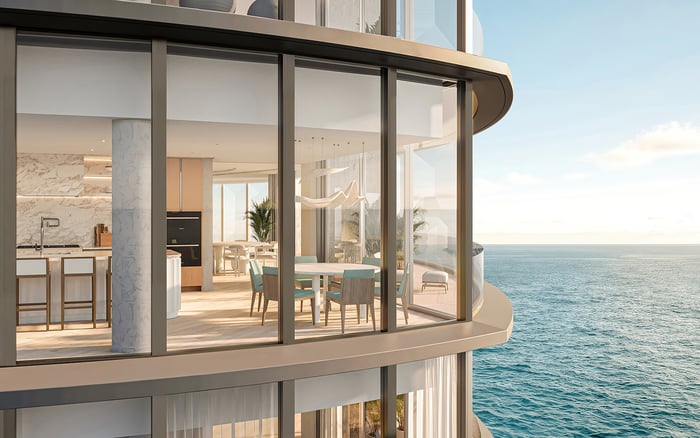
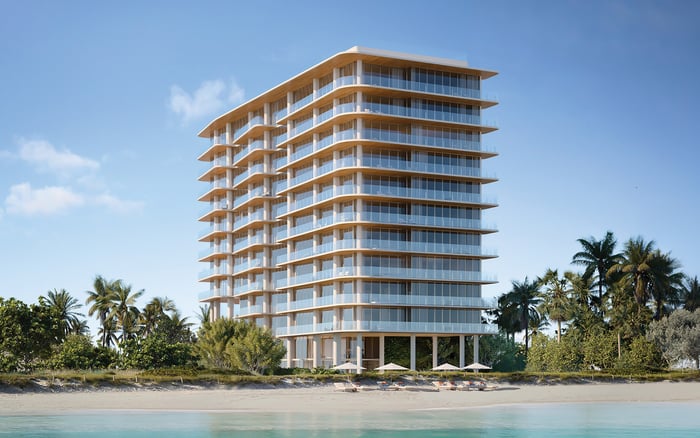
A buyer-focused review of insurance allocation, coastal exposure, building systems, reserves, and documentation at Rivage Bal Harbour.
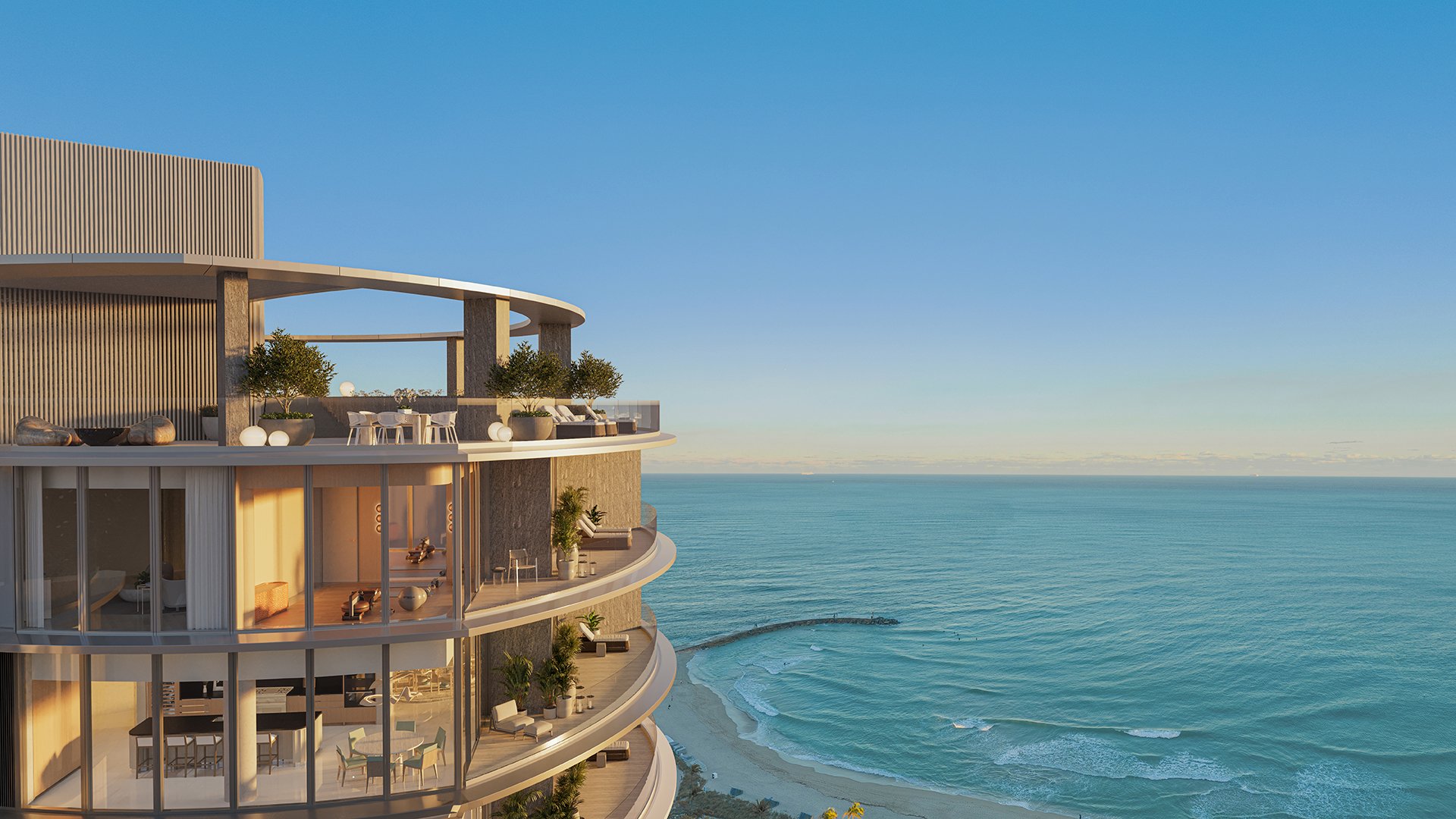
Rivage Bal Harbour is a luxury oceanfront residential development in Bal Harbour, positioned directly on the Atlantic along the northern portion of Miami Beach’s barrier-island system. That setting is central to its appeal. It also makes coastal exposure a fundamental part of the acquisition analysis-not a secondary question to address after contract.
For an ultra-premium buyer, the objective is not simply to confirm that insurance exists or that a building is recent. It is to understand how risk is allocated, how the property is designed to respond to severe weather, and how an adverse event could affect both the residence and the condominium’s finances. This is the practical lens MILLION brings to its Buyer’s Guides for oceanfront and waterfront ownership.
The condominium’s master insurance policy should be reviewed alongside the proposed coverage for the individual residence. Buyers need to identify which portions of the property are insured by the association and which remain the owner’s responsibility. Depending on the governing documents and policy language, interiors, improvements, furnishings, and personal property may require separate condominium coverage.
A headline coverage limit does not complete the analysis. Applicable windstorm and hurricane deductibles merit close attention because they can influence the association’s exposure after a covered loss. Buyers should also determine how those deductibles could translate into owner-level financial obligations under the condominium documents.
The same disciplined approach applies when considering Oceana Bal Harbour or another coastal condominium. Each property has its own documents, policies, deductibles, and allocation of responsibility. Assumptions based on location, price point, or visual quality should never replace a policy review tailored to the specific acquisition.
Wind-driven damage, flooding, and storm surge are distinct categories for due-diligence purposes. Prospective owners should determine whether flood and storm-surge losses are addressed separately from wind-related damage, then identify the policies and deductibles that may apply to each.
This distinction matters because a severe weather event can involve more than one source of damage. Buyers should ask their insurance and legal advisers to examine potential coverage boundaries, exclusions, and owner obligations before closing. The goal is a coordinated view of the master policy and individual coverage, with no unexplored gap between them.
When comparing a barrier-island purchase with The Delmore Surfside, the inquiry should remain property-specific. Coastal orientation may frame the questions, but only current policies, condominium documents, and professional review can clarify the answer for a particular building and residence.
At Rivage Bal Harbour, buyers should request details on the building envelope, glazing, exterior doors, roof systems, and other components exposed to hurricane-force winds. The review should focus on documented specifications and resilience features rather than broad assurances.
Glazing and exterior openings merit particular scrutiny because they form part of the boundary between the private interior and severe coastal conditions. Roof assemblies and envelope transitions should also be included in the review. A qualified professional can interpret the available documents and identify whether further inspection or clarification is warranted.
A new-construction designation, on its own, is not a complete resilience assessment. Buyers should verify the building-code standards applicable to the project and obtain documentation for relevant systems and features. The meaningful question is not simply when a property was built, but which standards apply and what evidence supports the building’s stated performance approach.
Physical protection extends beyond the exterior facade. A careful review should encompass emergency power, water-intrusion controls, drainage, elevators, and the protection of critical mechanical equipment. These systems can shape how a condominium functions during and after severe weather.
Ask how essential equipment is positioned and protected, which functions emergency power is intended to support, and how water is directed or controlled. Wherever possible, the answers should be documented. Buyers should also distinguish among design intent, installed systems, and operating procedures, then have the appropriate professionals evaluate the information.
This framework can also inform a review of The Perigon Miami Beach or another premium coastal residence. It is not a substitute for project-specific diligence. Instead, it establishes a consistent set of questions, allowing buyers to compare ownership responsibilities with greater precision.
The association’s financial position belongs in the same conversation as the physical building. Buyers should examine reserves and consider the potential for special assessments following a major storm or substantial insurance loss. Even when damage is insured, deductibles, exclusions, timing, and uncovered work may affect the condominium’s finances.
Current budgets and reserve information can help frame potential exposure, but the analysis should extend to the governing documents and insurance structure. Buyers may also wish to ask how association obligations are allocated among owners and how a significant loss could affect cash requirements.
Long-term planning should account for potential volatility in coastal insurance premiums, deductibles, and other carrying costs. A luxury purchase can be financially comfortable while still benefiting from scenario analysis. Modeling more than one cost environment gives the buyer a clearer view of ownership beyond the initial acquisition.
Before committing, assemble the master insurance materials, proposed unit coverage, condominium documents, reserve information, and available technical documentation. Have the relevant legal, insurance, financial, and inspection professionals review the portions within their expertise.
For Rivage Bal Harbour, the most persuasive due diligence is current and documented. Ocean views define the lifestyle proposition; a careful review of coverage, wind exposure, building systems, and condominium finances protects the quality of the ownership decision.
What should a buyer review first in the master insurance policy? Begin with the division of coverage between the condominium association and the individual owner, then review limits, exclusions, and deductibles.
Does the association’s policy cover the residence’s interiors? Buyers should confirm whether interiors and improvements are covered or require separate condominium insurance.
Why do hurricane deductibles matter? They may create meaningful association exposure after a covered loss and affect potential owner obligations.
Are wind and flood losses treated the same way? Not necessarily. Buyers should determine how wind, flood, and storm-surge losses are addressed and whether separate coverage applies.
Which exterior components deserve review? Request details on the building envelope, glazing, exterior doors, roof systems, and other wind-exposed components.
Is recent construction enough to establish resilience? No. Applicable building-code standards and documented resilience features should be independently verified.
Which operational systems matter during a storm? Review emergency power, drainage, water-intrusion controls, elevators, and protection for critical mechanical equipment.
Why should reserves be part of storm due diligence? Reserves can influence how the association responds to deductibles, uninsured costs, and major repair needs.
Could a major storm lead to a special assessment? It is a possibility buyers should evaluate through the condominium’s finances, governing documents, and insurance structure.
What long-term costs should owners model? Consider potential changes in coastal insurance premiums, deductibles, assessments, and other carrying costs.
To compare the best-fit options with clarity, connect with MILLION.
If branded residences are on your mind — as a home or as an allocation — we would be glad to share what we are seeing, privately.
Begin a quiet conversation