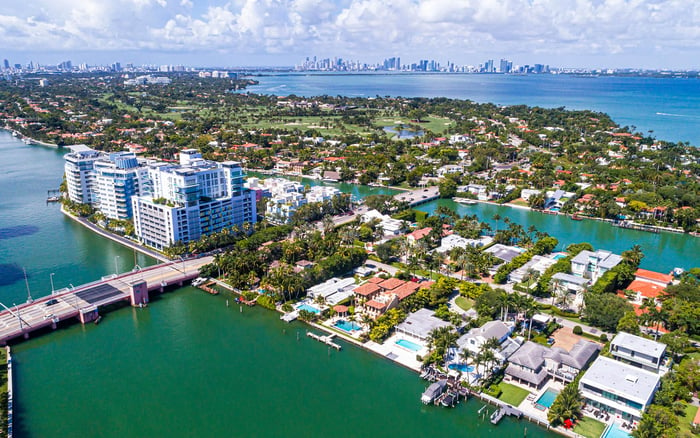
Private aviation buyers move quickly, but South Florida condominium documents deserve calm, disciplined review before any signature. For luxury purchasers, the issue is not only price or view, but how rules, budgets, governance and use restrictions align with the way the residence will actually be lived in.

Private aviation changes the rhythm of real estate. A buyer can leave New York after breakfast, walk a Brickell residence by lunch, tour Miami Beach before sunset and be back in the aircraft before dinner. That speed is seductive, especially when the residence is turnkey, the lobby is staffed and the view begins selling before anyone opens the document package.
Yet South Florida condominium ownership is not purchased only through a floor plan. It is also purchased through declarations, bylaws, rules, budgets, insurance positions, meeting materials, leasing provisions and the governance culture behind the front desk. For a private aviation user, those documents are not administrative clutter. They are the operating manual for a second home, primary residence or seasonal base that must work around flights, guests, staff, family and privacy expectations.
This is why condo document review should begin before signing, not after enthusiasm has hardened into obligation. The most desirable buildings may offer discretion, service and architecture, but the documents determine how that experience functions when the owner is away, when guests arrive ahead of the family, when staff need access or when an aircraft schedule compresses decision-making.
A private showing can display ceiling heights, finishes, terraces and light. It cannot fully reveal how the association governs the building, how expenses are allocated or how flexible the rules may be for a highly mobile owner. Document review fills that gap.
The review should focus on practical living questions. How are guests registered? How are deliveries handled? What is the pet policy? Are renovations tightly controlled? What procedures apply to contractors, designers or household staff? How does the building address leasing, short-term occupancy, parking, storage, elevator reservations and amenity use?
These issues may seem modest beside a waterfront view, but they can define the ownership experience. A buyer who lands on short notice may need a residence that can receive provisions, luggage, art, vehicles and staff without friction. A family using the condominium as a winter base may care less about nightly glamour and more about predictability, privacy and consistent service standards.
The strongest acquisitions are rarely the fastest ones. They are the ones where the lifestyle thesis and the governing documents say the same thing.
Private aviation users usually value three things: control of time, control of access and control of exposure. Condo documents touch all three.
Access is not just proximity to an airport or marina. It is the ability to arrive without operational surprises. A residence in The Residences at 1428 Brickell may appeal to a buyer who wants a vertical urban base, but the review still needs to consider building procedures, service access and the rules that shape daily movement.
Privacy is equally important. Buyers should understand how the association handles owner information, visitor protocols, service personnel and common-area behavior. A discreet lobby is not the same as a discreet rulebook. The documents and house rules are where privacy becomes protected, ambiguous or dependent on informal custom.
Control also matters for absentee ownership. If a residence will be used intermittently, the buyer should understand who can enter, who can authorize work, how emergencies are handled and whether the building’s procedures match the owner’s advisory structure. A family office, estate manager or trusted assistant may need to coordinate with management. That coordination should be contemplated before closing.
Pre-Construction purchases can be especially attractive to aviation users because they create time to plan. The buyer can select a preferred line, align interiors with seasonal use and build the residence into a broader mobility strategy. But that same early-stage appeal makes document review more important, not less.
In a pre-completion setting, the buyer should be attentive to what is final, what may evolve and what discretion is reserved for the developer, association or future board. Renderings and hospitality language may describe a lifestyle, while the documents set the framework for ownership obligations and future governance.
This is particularly relevant in branded, waterfront and service-led buildings where the experience is part residence, part private club in feeling. A buyer considering The Perigon Miami Beach, for example, may be drawn to the architectural and coastal setting, but should still review how amenities, staff operations, use rights and residential obligations are described.
The question is not whether a building is excellent. The question is whether the buyer understands what has actually been promised, what is aspirational and what is governed by enforceable language.
Luxury buyers sometimes treat the association budget as a technical file for accountants. It is more than that. The budget is a lifestyle document because it shows how the building intends to maintain staffing, amenities, security, common areas, reserves and insurance-related obligations.
A building with ambitious service standards requires funding discipline. A tower with extensive shared spaces requires long-term care. A waterfront condominium may have different maintenance sensitivities than an inland building. None of this should alarm a serious buyer, but it should be understood before signing.
For private aviation users, the budget review should be aligned with the ownership plan. If the residence is a lightly used pied-à-terre, the owner may be comfortable paying for a highly serviced environment that performs when needed. If it will host extended family and guests for months at a time, consistency of staffing and rules may matter more than spectacle.
In Sunny Isles Beach, where oceanfront living often intersects with international ownership patterns, a residence such as St. Regis® Residences Sunny Isles illustrates why the service promise and the cost structure should be read together. Luxury is not only what is delivered. It is how sustainably it can be delivered.
The most common mistake among fast-moving buyers is allowing the signing moment to become the document review moment. By then, the aircraft is waiting, counsel is receiving files in real time and the emotional decision has already been made.
A better approach is to create a review protocol before touring. The buyer’s advisor should know whether the acquisition is for primary use, seasonal use, family office planning, investment flexibility or legacy ownership. Counsel should know which lifestyle issues matter most. The buyer should know who will read what and by when.
In Fort Lauderdale, where yachting, aviation and waterfront residential life can overlap, projects such as Four Seasons Hotel & Private Residences Fort Lauderdale may attract buyers seeking both service and coastal access. That makes document review not a delay, but a safeguard for the experience the buyer expects to own.
South Florida luxury real estate is increasingly shaped by buyers who move across cities, seasons and asset classes. They may own in Palm Beach, New York, Aspen, London or the Caribbean. For them, a condominium must be beautiful, but it must also be operationally compatible with a fluid life.
Document review protects optionality. It helps a buyer understand whether the residence can accommodate visiting family, occasional leasing, future renovation, staff coordination, estate planning goals and resale positioning. It also helps reveal whether a building’s culture is formal, relaxed, restrictive or hospitality-oriented.
The best review process does not turn a lifestyle purchase into a sterile legal exercise. It simply brings elegance to the decision. A buyer can still fall for the view, the terrace and the arrival sequence. The difference is that the signature follows understanding.
For private aviation users, that is the point. Speed is a privilege. Discipline is what keeps it from becoming risk.
Why should private aviation users review condo documents before signing? Their schedules often compress decisions, so documents help confirm that the building’s rules, governance and service model fit the intended use.
What documents should a buyer generally expect to review? The review often includes governing documents, rules, budget materials, insurance information and association-related records made available for the transaction.
Is this only important for older condominium buildings? No. New, branded and pre-construction residences also require careful review because ownership terms matter regardless of building age.
Should legal counsel be involved before signing? Yes. Counsel should review the documents and contract language before the buyer becomes committed to terms that may be difficult to adjust later.
How does document review affect privacy? It can clarify visitor procedures, staff access, owner information practices and the practical rules that shape discretion inside the building.
Do leasing rules matter for a second-home buyer? Yes. Even if the buyer does not plan to lease immediately, future flexibility can affect ownership strategy and resale appeal.
Why does the association budget matter to a luxury buyer? The budget reflects how the building supports staffing, amenities, maintenance and long-term service expectations.
Can a beautiful building still be a poor fit? Yes. A residence can be architecturally compelling while its rules, procedures or governance style do not match the buyer’s lifestyle.
When should the review process begin? Ideally before signing, with advisors aligned on the buyer’s intended use, privacy needs and operating expectations.
What is the best way to shortlist comparable options for touring? Start with location fit, delivery status, and daily lifestyle priorities, then compare stacks and elevations to validate views and privacy.
For a confidential assessment and a building-by-building shortlist, connect with MILLION.
If branded residences are on your mind — as a home or as an allocation — we would be glad to share what we are seeing, privately.
Begin a quiet conversation