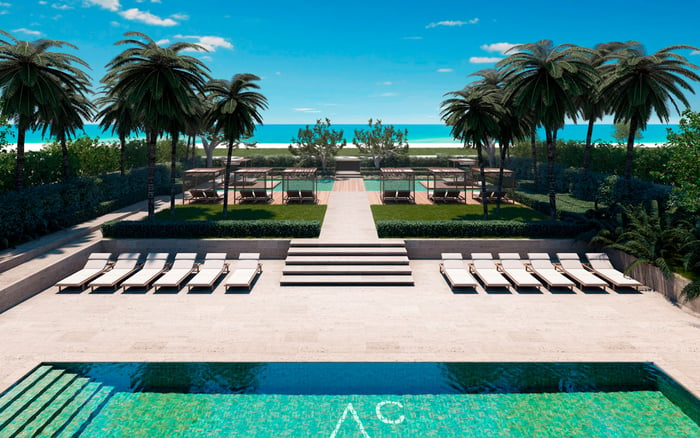
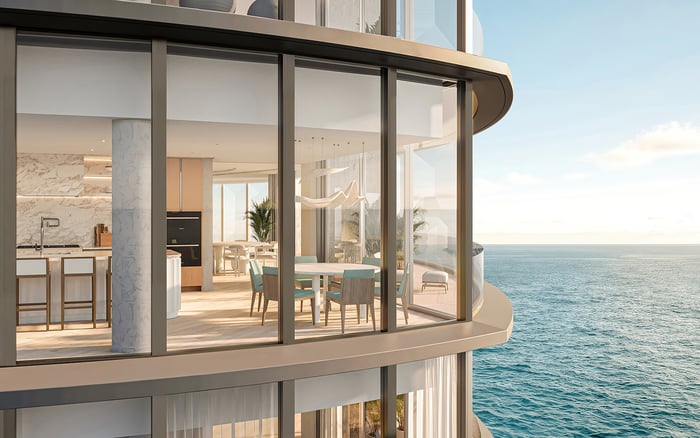
Mr. C Tigertail and Fendi Château present two distinct expressions of residential hospitality: discreet, neighborhood-integrated service in Coconut Grove and boutique oceanfront seclusion in Surfside.
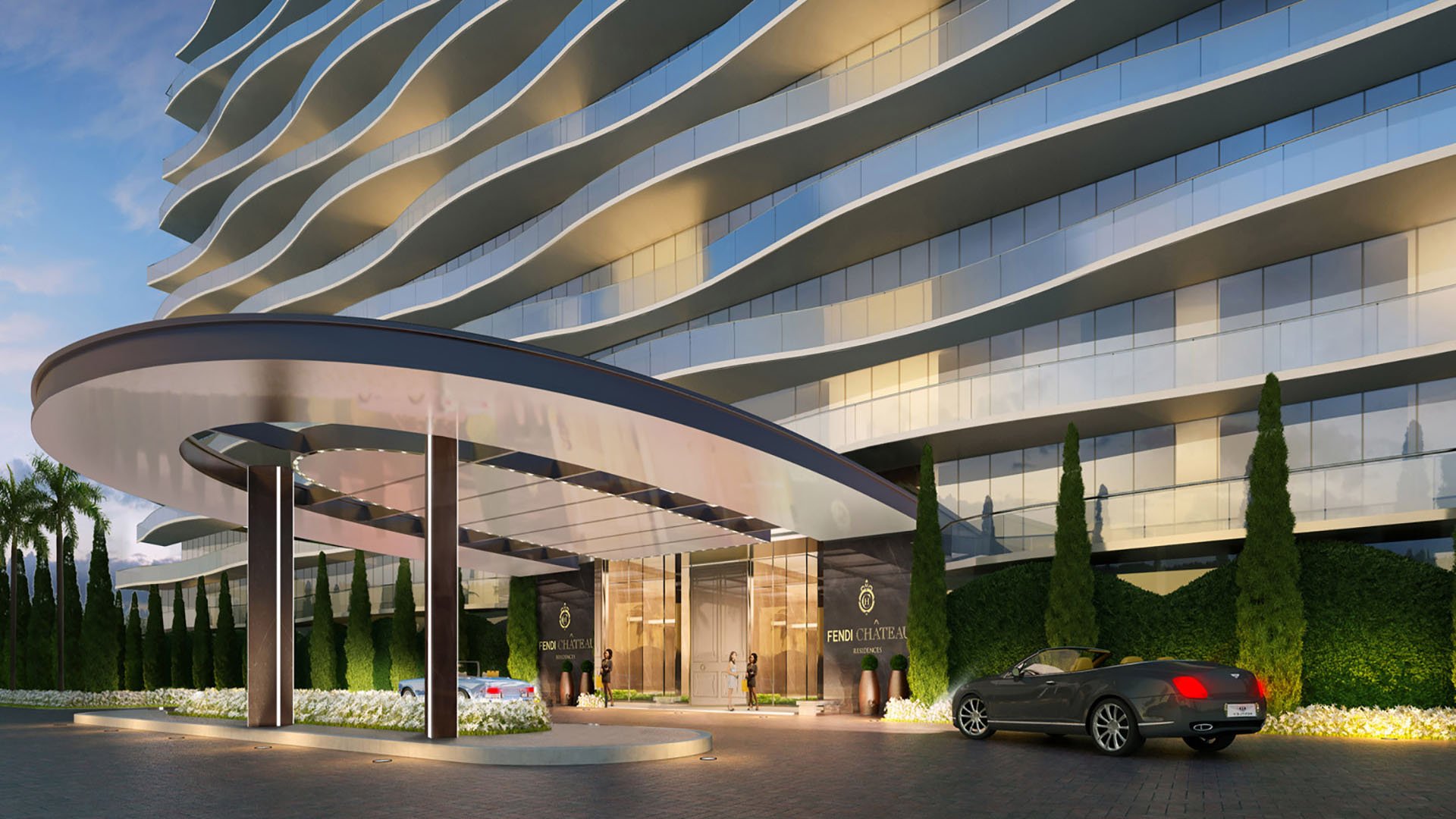
For privacy-minded buyers in 2026, luxury is increasingly defined by what happens quietly: discreetly managed arrivals, uninterrupted service and amenities that feel like an extension of home. Residential hospitality connects those priorities. It describes privately owned residences shaped by hotel-informed service and amenity models, without necessarily implying condominium-hotel operation.
Mr. C Tigertail Coconut Grove and Fendi Château Residences Surfside approach that proposition from distinctly different settings. The former integrates high-touch service into the rhythms of an established Miami neighborhood. The latter creates a more secluded ownership experience within a boutique oceanfront environment.
Neither is an objective winner on privacy. Their value lies in illustrating two buyer profiles: one seeking discretion within an active urban village, the other preferring controlled separation beside the Atlantic.
Mr. C Tigertail occupies the urban end of the residential-hospitality spectrum. Its identity is operational, with service designed to support owners’ daily routines rather than recreate the atmosphere of a transient hotel. Privacy is therefore less about retreating from the city than moving through it smoothly.
In Coconut Grove, that distinction matters. The project sits within a socially active neighborhood, so its privacy proposition centers on managed access, attentive residential service and the discretion of having routine needs handled with continuity. Owners can retain the atmosphere of a private home while benefiting from hospitality-informed support.
This is a compelling lifestyle proposition for buyers who value neighborhood connection but do not want visibility or friction to define it. Privacy here is operational convenience: the ability to arrive, depart, entertain and live with fewer exposed seams.
Buyers comparing newer interpretations in the same area might also consider Four Seasons Residences Coconut Grove. The relevant question is not which name carries greater recognition, but which service culture best suits the household’s actual routines.
Fendi Château frames residential hospitality through a limited-residence environment rather than a large, hotel-style format. Its Surfside location and ocean-facing orientation create a sense of retreat, while controlled access and separation from a conventional transient-hotel environment reinforce its private residential identity.
The project also places particular emphasis on curated branded design. Its appeal is both spatial and aesthetic: owners are selecting a resort-oriented setting and a defined design language, not simply a menu of services. Boutique scale is central to the positioning, with an experience intended to feel composed rather than crowded.
For an oceanfront buyer, this model may feel more inherently secluded than an urban neighborhood residence. Even so, privacy remains a matter of fit, circulation and operational expectations-not a universal security ranking. Buyers should examine how the residence supports quiet use on ordinary days, during guest visits and throughout peak seasonal periods.
Within Surfside, The Surf Club Four Seasons Surfside offers another relevant point of orientation for buyers assessing branded residential living near the ocean. Each property should be evaluated on its own residential character, rather than assumed to deliver an identical hospitality experience.
The first comparison is setting. Mr. C Tigertail places owners within Coconut Grove and treats discretion as a way to engage with the neighborhood on controlled terms. Fendi Château uses its Surfside oceanfront context to create greater physical and experiential separation.
The second is operating culture. At Mr. C Tigertail, hospitality is embedded in everyday residential life. At Fendi Château, resort-style living, limited residential density and curated design combine to shape the experience. Buyers should ask how visible the service feels, how consistently it is delivered and whether it supports autonomy rather than introducing formality.
The third is the role of branded residences within a personal portfolio. Some owners value a brand because it signals a recognizable service standard. Others prioritize architectural restraint, low social exposure or a strong sense of place. Branding is most persuasive when its operating philosophy aligns with how the home will be used.
Finally, buyers should distinguish privacy from isolation. A private home can remain connected to restaurants, culture and social life, just as a secluded coastal residence can still offer attentive hospitality. The decision rests on the preferred boundary between home and its surroundings.
A primary resident may favor service that disappears into the cadence of the week. A second-home owner may place greater weight on controlled arrivals, residence readiness and a calm return after time away. In either case, the most useful questions are behavioral: Who will use the residence? How often will guests arrive? How much neighborhood engagement is desirable?
Current pricing, ownership costs and 2026 availability should be reviewed directly during due diligence. The more enduring comparison is conceptual. Mr. C Tigertail offers discretion through neighborhood-integrated service. Fendi Château offers privacy through a boutique, resort-oriented coastal setting. Both make hospitality residential, but each draws the perimeter of private life differently.
What does residential hospitality mean in this context? It refers to privately owned homes supported by hotel-informed service and amenities, without necessarily operating as condominium hotels.
Is Mr. C Tigertail positioned as a transient hotel? No. Its service model is centered on owners and their daily residential routines.
How does Mr. C Tigertail frame privacy? It emphasizes managed access, discreet service and operational convenience within an active neighborhood.
Why might Coconut Grove appeal to a privacy-minded buyer? It suits buyers who want neighborhood engagement while retaining a carefully managed private-home atmosphere.
How does Fendi Château frame residential hospitality? It combines a limited-residence environment, resort-oriented living and a curated branded design identity.
What supports Fendi Château’s sense of seclusion? Its oceanfront Surfside setting, controlled access and separation from a conventional transient-hotel environment shape that positioning.
Is one project objectively more private? No. Privacy should be assessed through buyer fit and project positioning, not as a universal security ranking.
Which model may suit a primary resident? Mr. C Tigertail may appeal to buyers who want service integrated into an active daily routine and neighborhood life.
Which model may suit a retreat-oriented buyer? Fendi Château may appeal to an owner who prioritizes boutique scale, coastal separation and resort-style residential living.
What should buyers verify before purchasing in 2026? Buyers should confirm availability, pricing, ownership costs, operating details and the service experience through current due diligence.
If you'd like a private walkthrough and a curated shortlist, connect with MILLION.
If branded residences are on your mind — as a home or as an allocation — we would be glad to share what we are seeing, privately.
Begin a quiet conversation