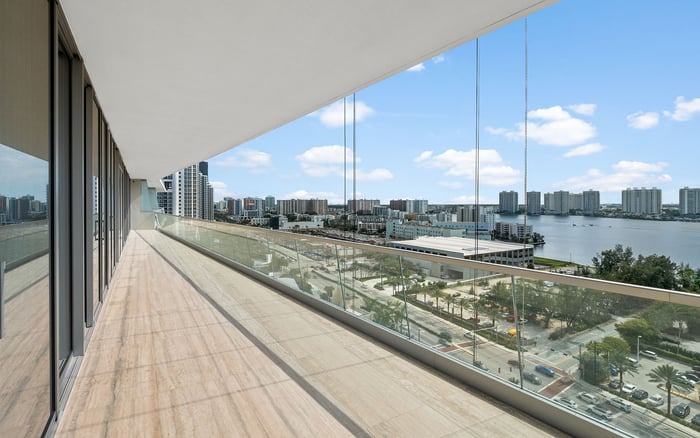
At Muse Residences, the practical value of shared spaces depends not only on design, but also on the rules governing reservations, guests, events and access.
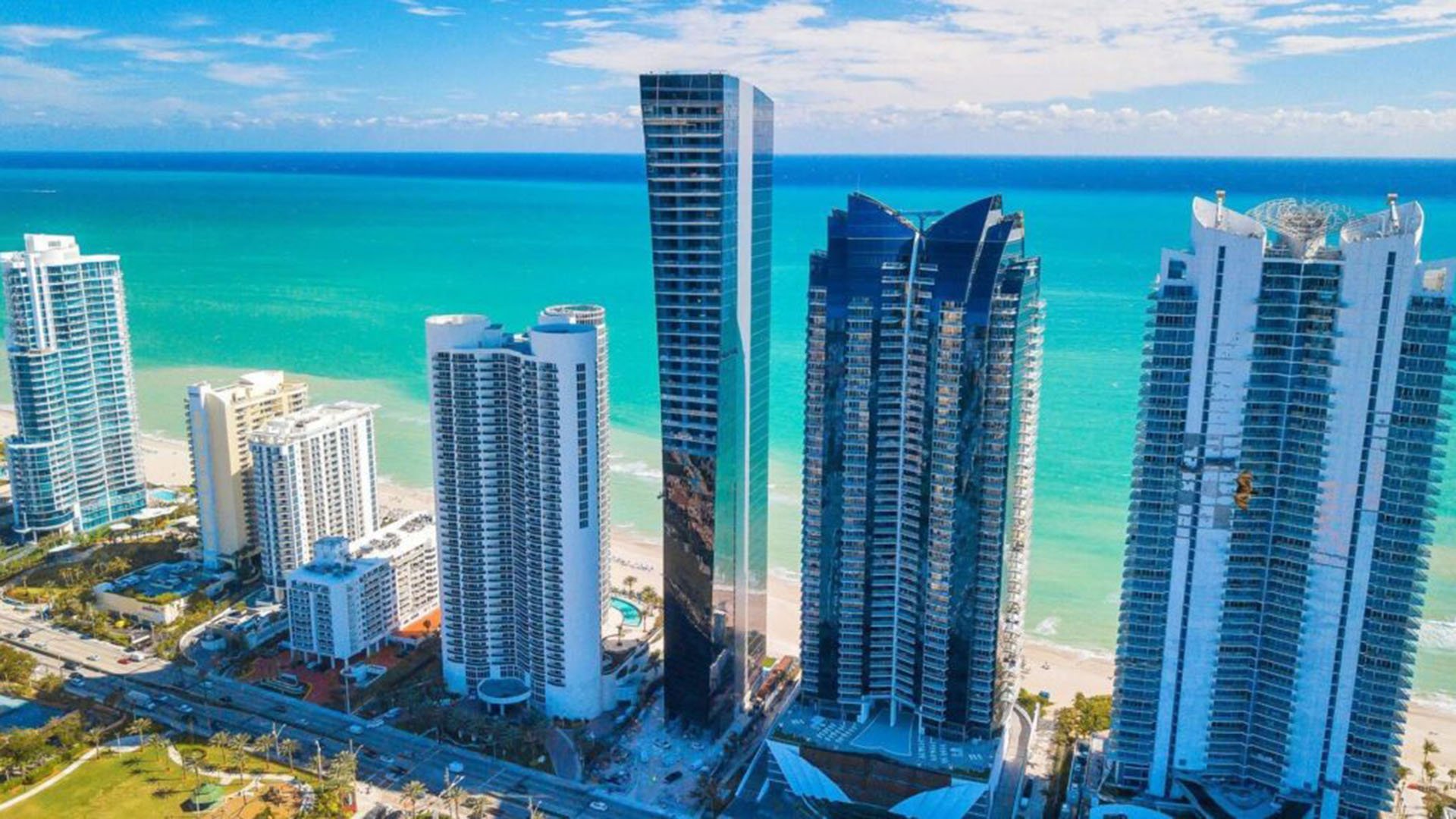
At an ultra-luxury condominium, a beautifully designed common area may feel like an extension of the private residence. For owners who entertain, however, its value depends on more than finishes, furnishings and an ocean view. The operating framework determines whether the space can truly accommodate a birthday dinner, family gathering, informal evening with friends or corporate function.
That distinction is especially relevant at Muse Residences Sunny Isles Beach, an oceanfront luxury condominium tower in Sunny Isles Beach centered on privacy, high-end design, curated services and amenity-driven living. Its boutique character is part of the appeal. Yet that intimacy also makes thoughtful management of shared areas particularly important, as resident access and private enjoyment must remain in balance.
For buyers who entertain, the essential question is not simply, “What amenities exist?” It is, “Under what conditions may I use them?”
Marketing imagery can convey atmosphere, but it does not establish binding access rights. Reservation windows, approval procedures, guest policies and event restrictions determine whether a common area works with an owner’s actual calendar. Even informal entertaining may be affected when shared spaces have defined hours, capacity controls or limits on outside participation.
Muse’s current terms should not be assumed. The available information does not establish current booking fees, deposits, guest limits, cancellation provisions, event hours, catering requirements, alcohol policies or exclusive-use options. Buyers should treat each as a due-diligence question rather than an included privilege.
This is where lifestyle expectations meet condominium governance. A resident who hosts immediate family several times a year may have a different threshold for convenience than an owner who regularly plans catered dinners or business receptions. The physical amenity may be identical, yet its practical value can differ considerably between those two profiles.
Before closing, buyers should obtain the current declaration, bylaws, rules and regulations, amenity reservation forms, fee schedules and recent board-approved amendments. These materials should be reviewed together, as no single document necessarily captures the complete operating picture.
The reservation form can be particularly revealing. It may show what information management requests, whether advance approval is required and which responsibilities attach to the resident booking the space. A fee schedule may clarify the economic component, while amendments can identify changes adopted after earlier versions of the rules were issued.
Buyers should also seek written clarification wherever documents leave room for interpretation. Useful questions include whether policies differ for family gatherings, resident-hosted events with outside guests, catered occasions, corporate functions and commercial activity. Any important representation should be reconciled with the governing documents and current management policy before contractual deadlines expire.
A productive review begins with a realistic hosting profile. Estimate how often you entertain, typical guest counts, preferred days and hours, and whether vendors, catering staff or other outside participants are usually involved. Then test the rules against those habits.
Consider several practical scenarios. Could a holiday gathering be reserved far enough in advance to coordinate travel? Is an intimate dinner treated differently from a larger reception? What happens if plans change? Can a resident secure exclusive use, or does the area remain shared? These are questions to confirm, not assumptions to make about Muse’s current policies.
Frequency matters as much as scale. An owner who hosts small gatherings every month may care more about recurring booking procedures than someone planning one major annual occasion. Privacy expectations can also shape the analysis. Rules that feel restrictive to one buyer may reassure another by limiting crowding and preserving a discreet residential atmosphere.
The same discipline applies when considering other coastal residences. Buyers comparing Armani Casa Sunny Isles Beach, The Ritz-Carlton Residences® Sunny Isles or Turnberry Ocean Club Sunny Isles should evaluate each property’s current governing documents independently. Similar visual positioning does not imply identical reservation practices.
A structured comparison separates three issues: the quality of the space, the ease of securing it and the conditions attached to its use. This prevents a dramatic amenity from carrying more weight than its real-world accessibility warrants. It also keeps the analysis focused on the owner’s routine rather than broad notions of luxury.
Amenity rules are not a peripheral concern for buyers who entertain. They influence spontaneity, planning lead times, privacy, the guest experience and the administrative work behind an event. They may also help protect the calm environment that attracted the buyer in the first place.
For a resale purchase, request the latest materials rather than relying on documents retained from an earlier transaction. Rules and board-approved amendments can evolve, and verbal descriptions may not reflect the current framework. The objective is not to label restrictions as inherently positive or negative, but to determine whether the building’s operating culture aligns with the buyer’s intended use.
This perspective belongs in sophisticated buyer’s guides because access is part of value. At Muse, the architecture and service proposition set the stage; the rules determine how shared spaces participate in everyday ownership.
Why do amenity reservation rules matter at Muse Residences? They can shape when and how residents use common spaces for family, social or corporate gatherings.
Are Muse’s current reservation fees publicly established here? No. Buyers should request the current fee schedule and reservation materials during the transaction process.
Should marketing materials be relied upon for event rights? No. They describe the lifestyle proposition but do not replace governing documents or current management policies.
Which condominium documents should a buyer review? Request the declaration, bylaws, rules and regulations, reservation forms, fee schedules and recent board-approved amendments.
Do the same rules necessarily apply to every type of gathering? Not necessarily. Buyers should confirm how the rules treat family events, outside guests, catering, corporate functions and commercial activity.
What should frequent hosts examine most closely? Focus on booking procedures, availability, repeat-use considerations, guest access and any responsibilities assigned to the resident host.
Why ask about cancellation terms? Cancellation policies can affect flexibility when guest plans, travel or vendor arrangements change.
Should buyers confirm catering and alcohol policies? Yes. Neither policy is established by the available facts, so both should be verified in writing when relevant.
Can operating restrictions support privacy? They can help manage access and competing uses, although each buyer should assess how the current rules align with personal priorities.
Is amenity design enough to judge entertaining value? No. For an owner who expects to host regularly, practical access can be as important as physical design.
For a confidential assessment and a building-by-building shortlist, connect with MILLION.
If branded residences are on your mind — as a home or as an allocation — we would be glad to share what we are seeing, privately.
Begin a quiet conversation