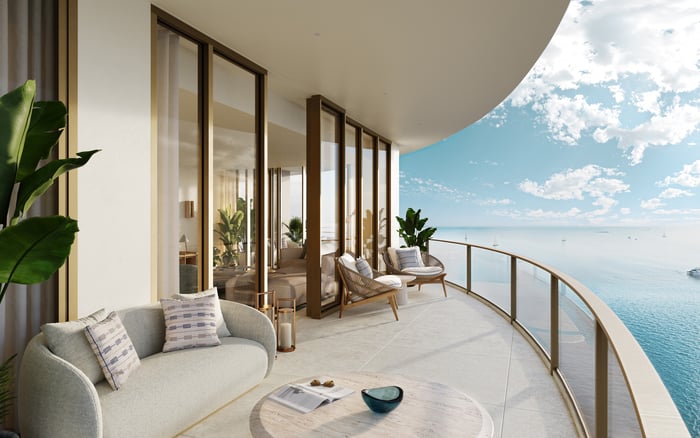
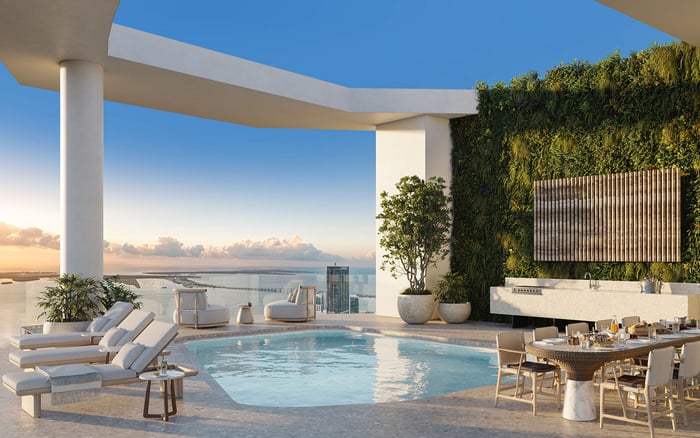
A buyer’s wellness calculus in South Florida should include more than spa suites, fitness programming, and water views. Marina waitlists can shift the real cost of ownership by adding time, storage complexity, access friction, and resale considerations for boating households.
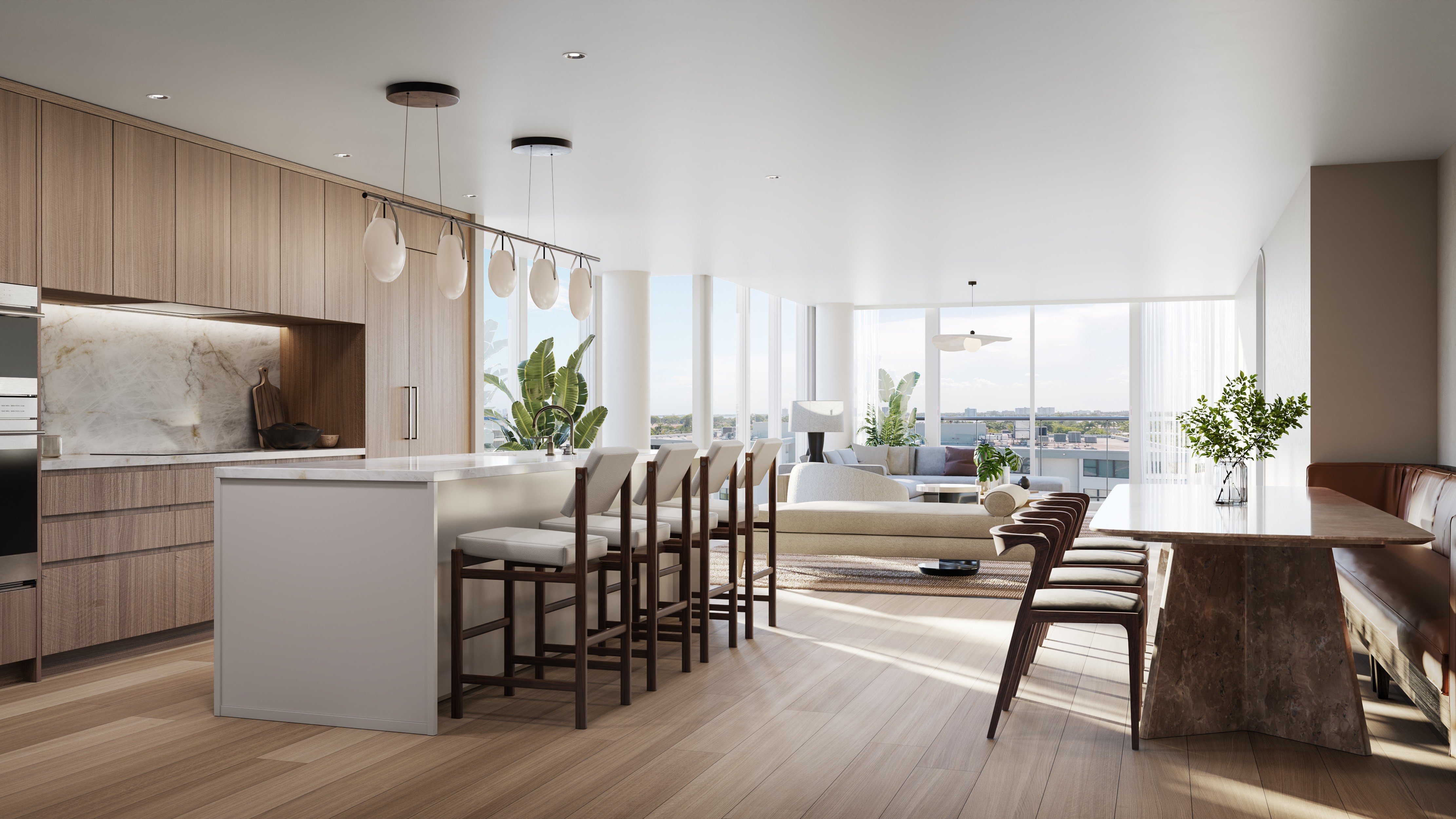
In South Florida, wellness-led residential living is usually framed around light, air, privacy, spa programming, fitness, recovery rooms, terraces, and calming design. Yet for a buyer who keeps a boat, or expects to, the more decisive question may sit outside the residence itself: where will the vessel live, and how long will it take to secure reliable access?
A marina waitlist can quietly change the economics of a supposedly complete lifestyle purchase. The residence may offer serenity, water views, a thoughtful arrival sequence, and proximity to the shoreline. But if the owner is storing a boat far from home, juggling seasonal reservations, or relying on an uncertain boat-slip pathway, the daily experience becomes less seamless. Wellness, in its most valuable form, is not only about amenities. It is about removing friction from the life a buyer is actually trying to live.
That distinction matters for buyers comparing waterfront and near-water addresses across Brickell, Bay Harbor Islands, Coconut Grove, Fort Lauderdale, Palm Beach, Sunny Isles, Pompano Beach, and Boca Raton. The most elegant residence can carry a second, less visible cost if boating access is not clearly understood before contract, closing, or move-in.
Marina access should be evaluated as its own lifestyle asset, not as a casual neighborhood benefit. A residence can be close to the water without solving the owner’s boating needs. It can offer a magnificent terrace without offering a practical path to keeping a vessel nearby. It can be architecturally exceptional yet still require the owner to commute to another basin, club, yard, or private arrangement.
That is where waitlists become meaningful. A waitlist is not merely a delay. It is an uncertainty that can affect operating costs, convenience, spontaneity, and the perceived value of a wellness-led home. If boating is central to weekends, family rhythm, entertaining, fishing, or quick escapes to quieter water, distance to the boat becomes a daily quality-of-life issue.
For buyers drawn to wellness-branded or wellness-forward living, projects such as The Well Bay Harbor Islands reflect a broader appetite for restorative design and healthier routines. The key is to pair that residential lens with an equally disciplined boating lens. The question is not only whether the home feels balanced. It is whether the marine logistics support that balance.
The financial side of a marina waitlist can include off-site storage, temporary dockage, transport, valet service, club fees, or the premium attached to a more convenient arrangement. But the deeper cost is often time. A buyer may have to plan around launch schedules, traffic, weather windows, staffing, and access rules. What should feel spontaneous begins to feel managed.
For ultra-premium buyers, that erosion of ease is material. South Florida’s luxury market places a high value on immediacy: elevator-to-residence privacy, direct beach access, private dining, wellness suites, dedicated service, and short transitions between home and leisure. Boating should be judged by the same standard. If the boat is central to the lifestyle, an elegant residence with distant marine access may be less efficient than a less obvious alternative with a clearer path to the water.
This is especially relevant when evaluating addresses that market calm, privacy, and holistic living. The Well Coconut Grove may appeal to buyers seeking a more grounded, residential expression of wellness in Coconut Grove. The underwriting should still ask whether the owner’s marine habits align with the practical access available in and around the area.
A marina waitlist can also influence resale, even when the residence itself is not dock-linked. The buyer pool for South Florida waterfront and near-water luxury homes includes many owners who treat boating as part of the property’s identity. If future purchasers must solve a waitlist problem after acquisition, some may discount the home, hesitate, or favor an address with clearer access.
Conversely, a residence with credible proximity to strong marine infrastructure may carry broader appeal, particularly when paired with wellness design, privacy, and high service. The premium is not always visible in a single line item. It can appear as shorter buyer hesitation, stronger emotional fit, and a cleaner resale story.
Consider the difference between a beautiful view and a functional water life. A view is passive. Boating access is active. Buyers should avoid paying for the emotional language of waterfront living if the practical ownership experience does not match it.
The strongest South Florida residences increasingly combine health, leisure, hospitality, and mobility. In that context, a marina is not just about boats. It is about morning light on the water, quiet departures, family rituals, low-friction weekends, and the ability to move between home, sea, club, beach, and city without turning leisure into administration.
This is why buyers considering island, bayfront, riverfront, or coastal addresses should compare wellness amenities with marine access as a single lifestyle equation. A spa suite can restore the body. A well-located marina can restore time. The most valuable home is often the one that does both.
At Vita at Grove Isle, the language of island living naturally invites buyers to think about privacy, water, and daily retreat. In Fort Lauderdale, St. Regis® Residences Bahia Mar Fort Lauderdale places the conversation in a city closely associated with yachting culture. In each case, the prudent buyer studies not only the residence, but the marine ecosystem around it.
Before choosing a wellness-led residence, boating households should clarify the vessel size, frequency of use, preferred cruising areas, seasonal patterns, and tolerance for off-site storage. They should also ask whether access is deeded, licensed, leased, club-based, third-party, seasonal, or simply nearby. Each structure carries a different form of security.
The buyer should then compare the residential carrying cost with the cost of solving for the boat. That comparison may include time in transit, storage alternatives, concierge support, maintenance coordination, and the likelihood of securing a preferred location. The right answer will vary. A buyer who boats twice a year may prioritize spa, service, and privacy. A buyer who is on the water every weekend should treat access as core infrastructure.
This is the quiet discipline behind luxury acquisition in South Florida. The wellness residence should not be assessed only by what it offers inside the building. It should be assessed by how completely it supports the buyer’s life outside it.
Why do marina waitlists matter when buying a wellness-led residence? They can add cost, delay, and inconvenience to a lifestyle that is supposed to feel seamless and restorative.
Is a water view the same as practical boating access? No. A water view can be visually valuable, while boating access depends on dockage, storage, distance, and rules.
Should I prioritize a residence with a deeded slip? If boating is central to your lifestyle, secure access can be more valuable than relying on uncertain future availability.
Can a marina waitlist affect resale value? It can influence buyer confidence, especially among purchasers who view boating as part of the property’s lifestyle promise.
What should I ask before signing a contract? Ask how marine access works, whether any slip rights transfer, and what alternatives exist if preferred dockage is unavailable.
Are wellness amenities enough to justify a premium? They may be, but boating households should weigh those amenities against the convenience and certainty of water access.
Does Brickell make sense for boat owners? Brickell can suit buyers who want urban energy, but boat storage and marina logistics should be studied separately.
How should seasonal owners think about waitlists? Seasonal owners should confirm whether access aligns with peak usage periods, when demand and friction may be greater.
Is off-site boat storage a dealbreaker? Not always. It depends on distance, service quality, launch reliability, and how often the owner expects to use the boat.
What is the best way to compare two residences? Compare the full lifestyle cost, including residence, service, wellness amenities, marine access, time, and resale flexibility.
When you're ready to tour or underwrite the options, connect with MILLION.
If branded residences are on your mind — as a home or as an allocation — we would be glad to share what we are seeing, privately.
Begin a quiet conversation