A disciplined Boca Raton shortlist for buyers who place entertaining at the center of residential life, with practical questions for evaluating private dining, service flow, guest circulation, and the relationship between indoor and outdoor spaces.
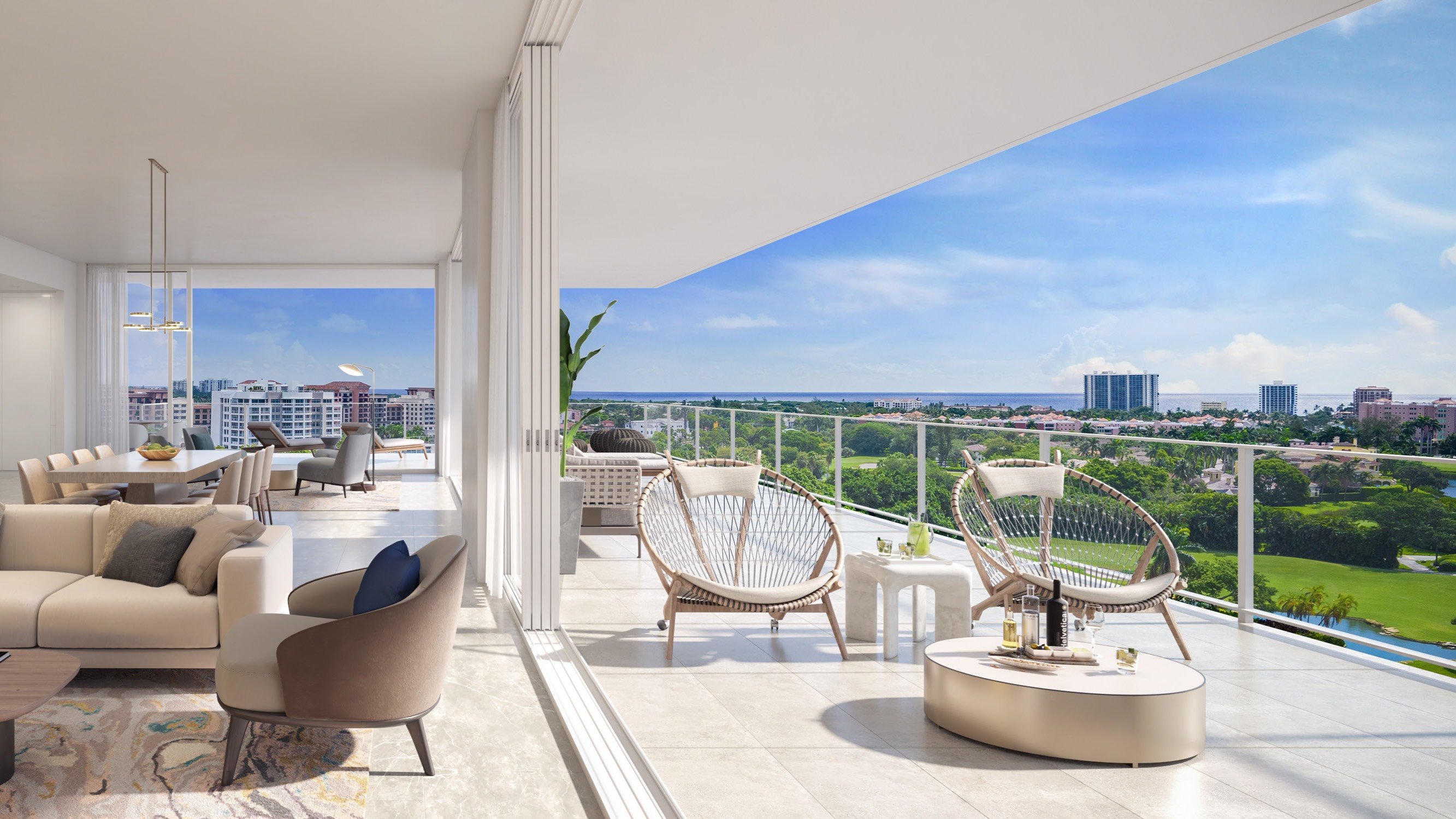
For some buyers, luxury is measured less by spectacle than by the ability to host beautifully. A successful Boca Raton residence should make an intimate dinner feel effortless while offering the flexibility to accommodate cocktails, family celebrations, or a catered evening for a larger guest list.
That standard extends beyond a handsome dining table. It encompasses the relationship among the kitchen, dining area, living room, terrace, elevators, service access, storage, acoustics, and parking. When entertaining extends into shared spaces, building policies matter as much as floor plans. The following shortlist considers five Boca Raton candidates through this precise buyer lens.
1. The Residences at Mandarin Oriental Boca Raton: hospitality-minded candidate
This is the first address to examine when the buyer brief centers on polished hosting. Essential diligence should establish whether private dining spaces are available, how reservations are managed, which service options may apply, and whether residence layouts allow a discreet progression from arrival to cocktails and dinner.
2. Alina Residences Boca Raton: residence-led entertaining candidate
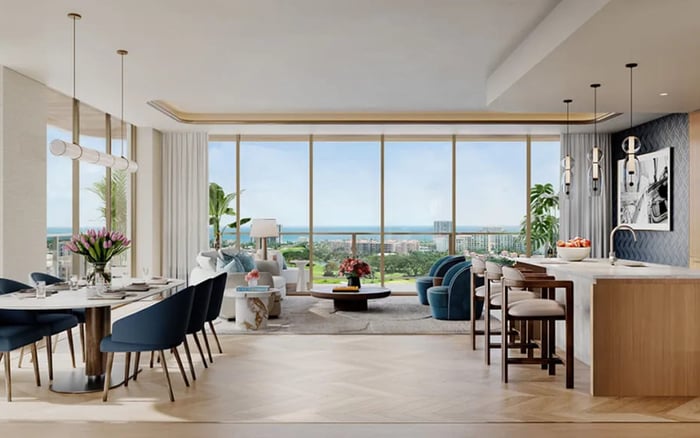
Buyers should study the connection among the kitchen, primary entertaining room, and any outdoor area in the specific residence under consideration. Request dimensions rather than relying on renderings, then test furniture placement, circulation around a fully occupied table, and the route catering staff would use.
3. Mr. C Residences Boca Raton: socially oriented candidate
The relevant questions encompass the complete guest experience, from arrival and elevator access to shared-space rules and the transition into the residence. Buyers who plan to host frequently should also clarify reservation procedures, food-and-beverage conditions, staffing options, guest limits, and cleanup responsibilities before committing.
4. Glass House Boca Raton: intimate-hosting candidate
This address belongs on the tour schedule for buyers seeking to compare residence-based entertaining with building-supported occasions. In each available home, assess usable wall lengths, dining-table capacity, kitchen staging space, sound separation, powder-room placement, and the practicality of indoor-outdoor circulation.
5. 749 Bamboo Dr Boca Raton: address-led alternative
This option offers a useful counterpoint for the shortlist. The buyer’s review should remain exacting: confirm the dining room’s true capacity, kitchen support, guest parking, outdoor protection, lighting, acoustics, and the operational demands of hosting.
A serious tour should begin with the residence itself. At The Residences at Mandarin Oriental Boca Raton, request current plans and written details for the specific home and any relevant shared dining space. The objective is to distinguish visual grandeur from practical capacity.
At Alina Residences Boca Raton, apply the same discipline. Measure the distance between kitchen and table, identify where staff can stage, and determine whether guests can move between conversation areas without crossing the service path. Even a generous room can feel constrained when circulation is poorly resolved.
Continue the comparison at Mr. C Residences Boca Raton and Glass House Boca Raton. Rather than assuming a project name guarantees a particular service model, request current written information about amenities, access, fees, operating hours, guest policies, and reservation priority.
The best buyer’s guides translate lifestyle preferences into operational questions. Begin with table capacity, but assess it with chairs pulled back and guests circulating. Confirm whether a sideboard, bar, or serving station can fit without constricting the route between kitchen and dining room.
Next, inspect the support spaces. A second sink, substantial refrigeration, pantry storage, warming capacity, and a place to conceal used tableware can transform the rhythm of an evening. If these elements are absent, determine whether the layout can accommodate them and whether building approvals would be required.
Outdoor entertaining demands equal scrutiny. A terrace may expand the social setting, but exposure, wind, shade, lighting, power, and proximity to interior service areas determine how often it will be used. Buyers should also ask whether doors may remain open during gatherings and whether sound or occupancy rules affect evening use.
Finally, test privacy. Guest movement should neither expose bedrooms nor interrupt household routines. Powder rooms should be intuitive to reach, coats should have a natural destination, and elevator arrival should feel composed. For buyers comparing new construction with completed residences, contractual specifications and finished conditions warrant separate review.
Request all current rules governing private events, common rooms, deliveries, caterers, valet or guest parking, alcohol service, music, decorations, and post-event cleaning. If a building offers reservable entertaining areas, verify the fee structure, booking window, cancellation policy, capacity, kitchen access, and whether outside vendors are permitted.
Within the residence, review electrical locations, lighting controls, ventilation, appliance specifications, storage, flooring durability, and acoustic separation. A furniture plan based on the buyer’s actual table and preferred guest count is far more revealing than broad room labels. The goal is not simply more space, but an environment that remains graceful when fully in use.
What defines meaningful private-dining capacity? It is the number of guests who can dine comfortably while preserving service access, circulation, and visual balance.
Should buyers prioritize a large dining room or a private amenity room? The better choice depends on hosting frequency, desired privacy, reservation rules, and whether service is needed beyond the residence.
Why is kitchen circulation important for entertaining? Staff and hosts need a direct path to the table that neither interrupts guests nor crosses primary conversation areas.
What documents should a buyer request? Request current floor plans, amenity descriptions, fee schedules, house rules, reservation terms, and applicable alteration requirements.
How should terrace dining be evaluated? Consider usable dimensions, wind, shade, power, lighting, door placement, service distance, and building restrictions.
Do guest limits always match a room’s physical capacity? Not necessarily. Building rules and event policies may establish different limits.
What should catered-event buyers verify? Confirm vendor access, loading procedures, elevator use, kitchen permissions, insurance requirements, staffing, and cleanup rules.
How can a buyer assess acoustics during a tour? Review room finishes, door separation, adjacency to bedrooms, and any rules governing amplified sound or evening gatherings.
Is guest parking part of entertaining capacity? Yes. Valet procedures, available spaces, arrival queues, and access instructions can materially shape the guest experience.
Should amenity representations be confirmed in writing? Yes. Availability, services, fees, rules, and operating conditions should be verified in current documents before purchase.
For a confidential assessment and a building-by-building shortlist, connect with MILLION.
If branded residences are on your mind — as a home or as an allocation — we would be glad to share what we are seeing, privately.
Begin a quiet conversation