For South Florida waterfront buyers, an insurance binder is more than a closing document. Its timing can influence cash-to-close, loan readiness, leverage, and the true economics of owning near a marina.
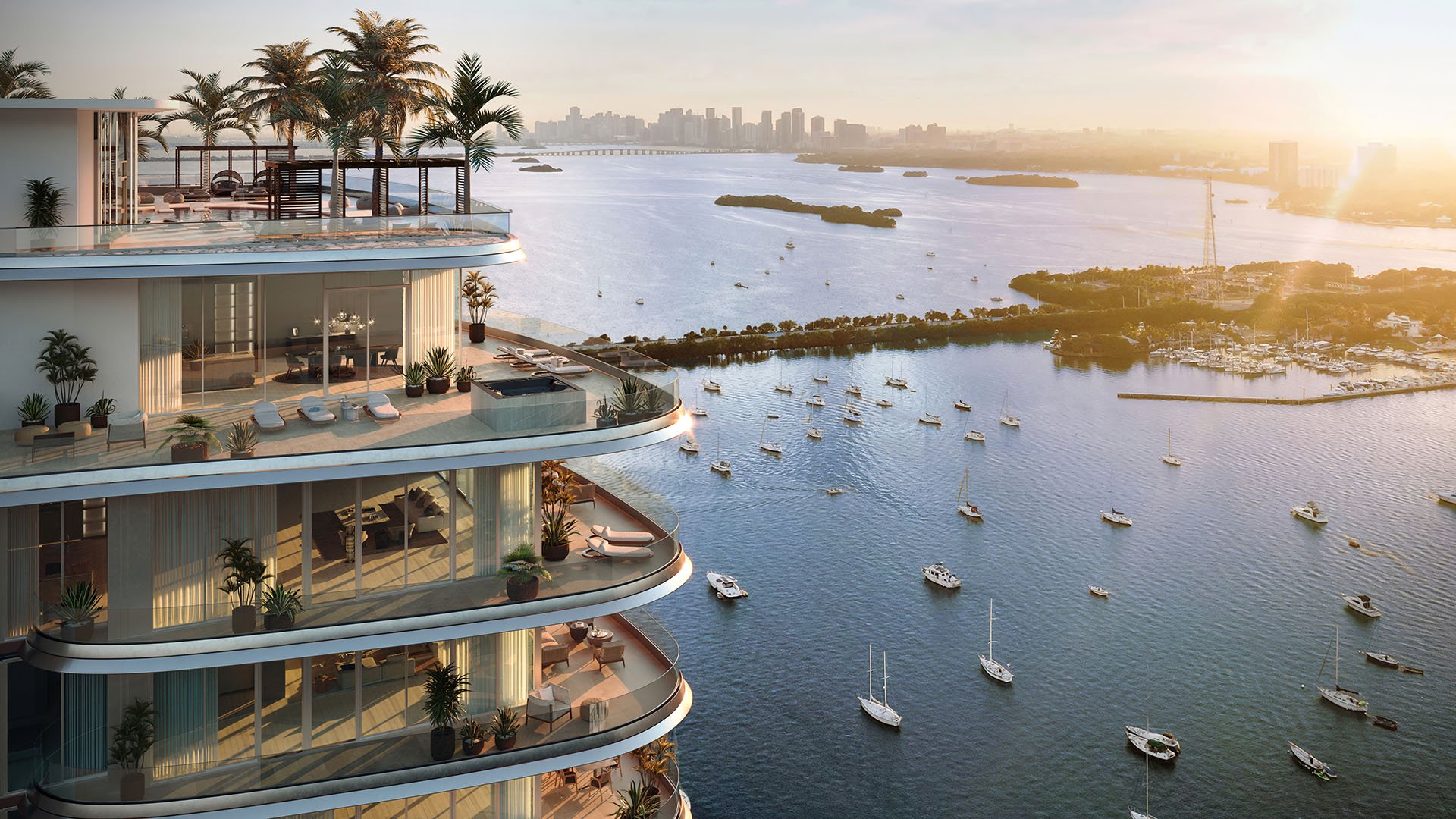
For a marina-adjacent home in South Florida, the purchase price is only the opening figure. The more discreet variable is timing: when the buyer can secure an acceptable insurance binder, when the lender reviews it, and whether the premium assumptions still hold when the transaction is ready to close.
An insurance binder is often treated as paperwork. In practice, it can operate as a financial hinge. When it arrives early, the buyer can evaluate the home with clearer carrying costs, lender requirements, and cash-to-close expectations. When it arrives late, the same residence can feel more expensive, not because the seller changed the price, but because the buyer’s closing calendar, escrow requirement, and leverage changed around it.
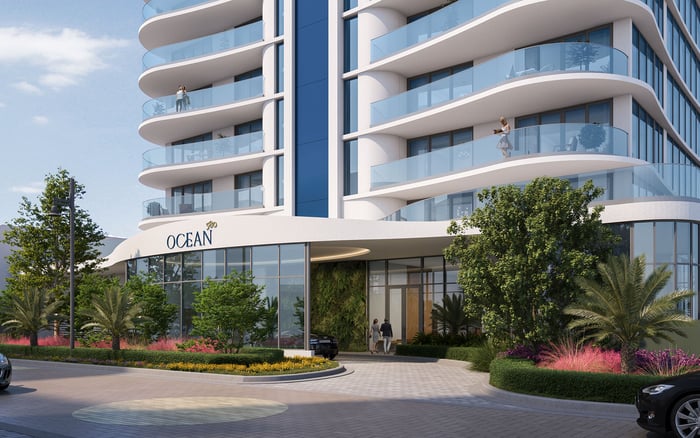
This matters acutely near water. A residence selected for its view, dockside atmosphere, or proximity to yachting amenities may require a more careful insurance review than an inland property. Buyers comparing waterfront lifestyles at St. Regis® Residences Bahia Mar Fort Lauderdale, for example, should treat insurance as part of the acquisition architecture, not as an administrative afterthought.
A binder is temporary proof that coverage is in place or expected to be in place, subject to the terms being offered. That distinction matters. A buyer may feel comfortable with an early estimate, then discover that the actual binder reflects different conditions, higher costs, additional inspections, or revised coverage expectations.
For cash buyers, that can alter the annual ownership model. For financed buyers, it can also affect lender readiness. The lender may need evidence that coverage satisfies the loan file. If the binder is delayed, underwriting questions can move from the background to the center of the closing table.
The real cost is therefore not only the premium itself. It is the cost of uncertainty. A delayed binder can compress decision-making, weaken the buyer’s ability to renegotiate, and create pressure to accept terms that would have been reviewed more calmly two weeks earlier. In a luxury transaction, that pressure has a price even when it does not appear as a line item.
A marina-adjacent home can mean many things. It may be a condominium overlooking a basin, a townhouse near a private dock, or a single-family residence positioned for boat access. The lifestyle may look seamless, yet the insurance review can vary widely from one asset to another.
Location, construction type, building governance, association coverage, elevation, exposure, and lender requirements can all shape how the binder is assembled. Buyers should avoid assuming that two homes with similar water views will produce similar insurance timelines.
This is why sophisticated purchasers ask early questions. What coverage is maintained by an association, if any? What is the owner expected to secure separately? Are there open underwriting conditions? Does the lender require specific language in the binder? Is the binder based on current information, or is it still pending further review?
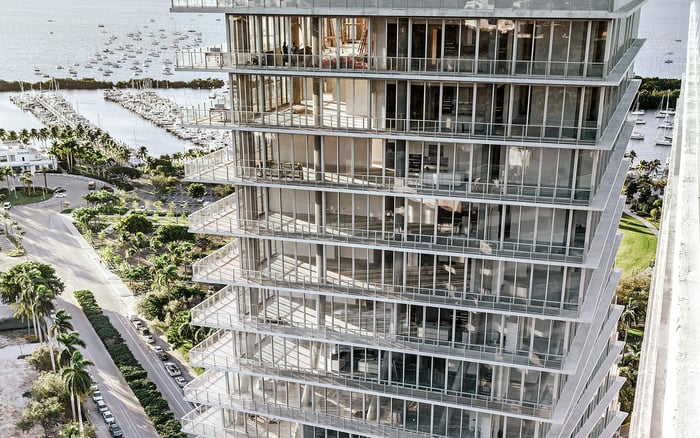
For buyers considering bayfront residences such as Onda Bay Harbor and La Baia North Bay Harbor Islands, the practical point is not to presume complexity. It is to respect timing. Waterfront appeal and insurance sequencing should be evaluated together.
The most visible cost is the annual premium. The less visible costs often arrive through timing. If the binder is not finalized until late in the process, the buyer may have fewer days to compare options or ask for clarifications. If the premium changes close to closing, cash-to-close can shift. If lender review is delayed, the buyer may face a closing extension, rate-lock sensitivity, or a negotiation over who absorbs the time cost.
Even in a clean transaction, late insurance coordination can interrupt rhythm. A seller may become less receptive to credits once contingencies are nearing expiration. A buyer may feel compelled to proceed to protect a desired residence. Advisors may need to revise settlement statements or loan calculations quickly.
This is where binder timing becomes a luxury-market issue. Wealth can absorb many costs, but it does not eliminate friction. A disciplined buyer values certainty, optionality, and elegance in execution. The right binder timeline supports all three.
In a condominium purchase, the buyer may focus on interiors, views, amenities, and building prestige. Yet insurance due diligence should include the relationship between the building’s coverage and the owner’s coverage. The buyer’s binder may not be the only insurance document that matters to a lender or to long-term ownership planning.
The buyer should understand what the association maintains, what the unit owner must insure, and whether any lender questions are likely to arise. A residence with a serene water view may still require a precise conversation about coverage responsibility.
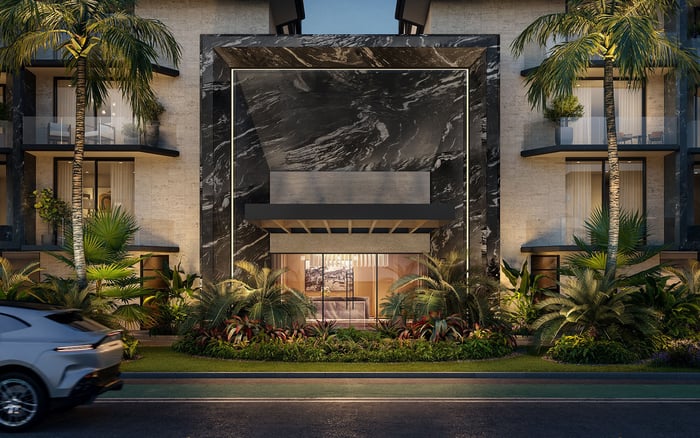
This is especially relevant in waterfront corridors where the lifestyle proposition is part of the premium. At Riva Residenze Fort Lauderdale, for instance, buyers may be drawn to an elegant waterfront setting. The acquisition team should still treat insurance timing as a core closing deliverable.
The best insurance strategy begins before the contract is fully in motion. A buyer should have a trusted insurance advisor review the address, property type, intended use, lender expectations, and closing calendar as early as possible. If the residence is near a marina, that conversation should happen with even more discipline.
The goal is not to turn a home search into an actuarial exercise. It is to avoid surprise. A buyer who understands likely binder timing can make a cleaner offer, select a more realistic inspection and financing schedule, and decide whether additional contract protections are appropriate.
Search behavior can also be more refined. A buyer filtering for marina, boat slip, water view, Fort Lauderdale, Pompano Beach, or Bay Harbor should recognize that each lifestyle keyword may carry its own insurance questions. The same is true when comparing coastal opportunities such as The Ritz-Carlton Residences® Pompano Beach with bayfront or riverfront alternatives.
A marina-adjacent home invites emotion. The view at dusk, the walk to the water, the ease of boating, and the privacy of a protected waterfront setting can make a buyer move quickly. Speed is not the problem. Unsequenced speed is.
Before the offer becomes difficult to unwind, ask whether an insurance advisor has reviewed the property. Ask how quickly a binder can be issued. Ask what information is still needed. Ask whether the lender has any special requirements. Ask whether the current premium indication is firm enough to rely on for budgeting.
The answer may not change the desire to buy. It may change the structure of the offer, the closing date, the deposit strategy, or the negotiating tone. In South Florida’s luxury waterfront market, that is often where value is preserved.
Affordability at the top of the market is not simply whether a buyer can pay. It is whether the acquisition remains rational after all carrying costs, timing variables, and ownership responsibilities are understood.
Binder timing brings that definition into focus. A marina-adjacent residence may still be the right purchase at a higher premium, provided the buyer knows early. The issue is not expense alone. It is unmanaged expense arriving late.
For the buyer who values waterfront living, the binder is not an obstacle to pleasure. It is part of the choreography that allows the purchase to close with confidence. The earlier it is addressed, the more gracefully the transaction can move from aspiration to ownership.
What is an insurance binder in a home purchase? It is temporary evidence that insurance coverage is in place or expected to be in place under stated terms.
Why does binder timing matter for marina-adjacent homes? Homes near the water can require more careful coverage review, so late binder delivery may affect closing readiness and cost expectations.
Can a late binder change cash-to-close? Yes. If the premium or escrow requirement differs from earlier assumptions, the final amount due at closing may change.
Is this only a concern for financed buyers? No. Cash buyers also benefit from early clarity because insurance affects the ongoing cost of ownership.
Should insurance be reviewed before making an offer? Ideally, yes. Early review can help the buyer structure timelines, contingencies, and negotiating strategy.
Does a condominium buyer still need a binder? Often, yes. The buyer may need owner coverage even when the association maintains separate building coverage.
Can two similar waterfront homes have different insurance outcomes? Yes. Construction, exposure, association coverage, lender requirements, and property details can all influence review.
What should buyers ask their insurance advisor first? Ask how quickly a binder can be issued, what information is missing, and whether any conditions remain unresolved.
Does a boat slip automatically make insurance more expensive? Not automatically. It should prompt a more careful review of the property, intended use, and coverage requirements.
How can luxury buyers avoid last-minute insurance pressure? They should coordinate the insurance advisor, lender, and transaction team early in the purchase process.
For a discreet conversation and a curated building-by-building shortlist, connect with MILLION.
If branded residences are on your mind — as a home or as an allocation — we would be glad to share what we are seeing, privately.
Begin a quiet conversation