A refined guide to reading marina-adjacent value in South Florida for buyers who want waterfront atmosphere, daily convenience, and resale depth without boat ownership.
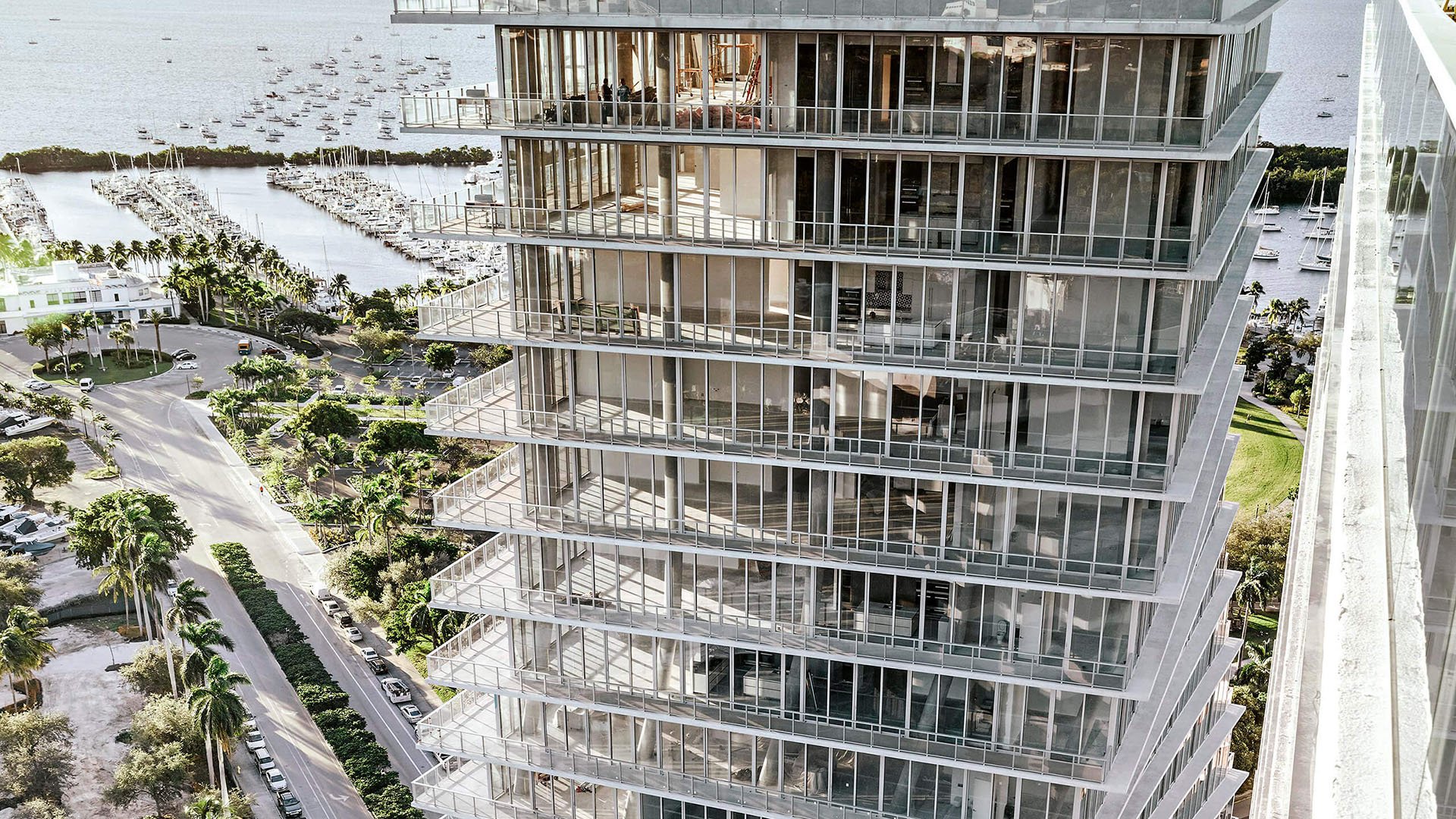
For many South Florida buyers, the appeal of a marina-adjacent residence has less to do with yacht ownership than with living beside a particular waterfront rhythm. The view has movement. The promenade has purpose. The neighborhood often feels connected to leisure, dining, open air, and arrival. Even without a boat, proximity to a marina can function as lifestyle infrastructure.
The key is to evaluate the setting as an owner, not as a tourist. A marina can support value when it improves daily life, strengthens the identity of the address, and adds optionality for future buyers. It becomes less compelling when the premium rests on visual romance alone, especially if noise, congestion, parking, maintenance exposure, or privacy tradeoffs have not been priced with discipline.
Within a search brief, shorthand tags such as Marina, Waterview, Investment, Fort-lauderdale, Bay-harbor, and Boat-slip should be treated as prompts, not conclusions. The question is not whether the property is near boats. The question is whether the location will remain desirable to a deep pool of buyers who may or may not ever step aboard one.
A marina view can be immediately persuasive, but long-term value depends on repeatable demand. Start by asking whether the marina is a true neighborhood anchor or simply a backdrop. Does it create walkable energy? Does it frame the residence with open sightlines? Does it support nearby dining, services, or recreation a non-boater would actually use? Or does it primarily serve slip holders while adding traffic and operational noise for everyone else?
For buyers comparing waterfront settings, the distinction matters. Oceanfront offers horizon and beach access. Riverfront offers urban motion. Bayfront often delivers skyline and sunset drama. Marina-adjacent living sits somewhere more social and kinetic. Its value is strongest when the marina enhances the sense of place without overwhelming the privacy of home.
That is why branded and design-forward residences near established waterfront districts deserve careful comparison rather than automatic preference. In Fort Lauderdale, buyers may weigh the positioning of St. Regis® Residences Bahia Mar Fort Lauderdale against quieter waterfront alternatives such as Riva Residenze Fort Lauderdale, focusing less on the abstract prestige of water proximity and more on the lived experience from the unit, lobby, garage, terrace, and surrounding streets.
Not owning a boat can sharpen the analysis. A boat owner may overvalue slip access, turning basin convenience, or dock operations. A non-boater can judge the residence with cleaner eyes: light, breeze, views, walkability, hospitality, privacy, and ease of resale.
This matters because a marina premium should not be paid as if every future buyer requires a slip. In many luxury buildings, the most durable audience may include seasonal owners, end users, and international buyers who want a waterfront setting without operational responsibility. For them, the marina is atmosphere and optionality. It is not necessarily a utility.
A disciplined buyer should ask three questions. First, would the residence still be desirable if the marina were simply a beautiful water view? Second, would the address still function well on a weekday morning, not just at sunset? Third, does the premium buy something scarce, such as protected views, a strong arrival sequence, or a genuinely walkable waterfront lifestyle?
The best marina-adjacent buys are rarely about the dock alone. They are about the neighborhood ecosystem around it. A residence near a marina should be judged by the quality of nearby streets, the ease of arrival and departure, the maturity of surrounding development, and the range of buyers likely to understand the address.
Bay Harbor Islands, for example, often appeals to buyers who want a more residential scale while staying connected to the water. A buyer looking in that area might compare the boutique waterfront tone of La Maré Bay Harbor Islands with the bayfront positioning of Onda Bay Harbor, asking which setting offers the better balance of privacy, outlook, and everyday convenience.
The same logic applies across South Florida. In Coconut Grove, a buyer considering Vita at Grove Isle may be drawn to the island-like feeling and water orientation, but the long-term value question remains practical: how many future buyers will see the setting as both emotionally distinctive and easy to live with?
Marina proximity can add complexity. Before assigning a premium, examine the building’s maintenance profile, association budget, insurance obligations, reserves, access patterns, valet or parking design, and the way common areas interact with the waterfront. A beautiful marina setting loses some of its value if the building experience feels operationally strained.
Also consider exposure. Waterfront residences should be reviewed with particular attention to elevation, storm preparation, mechanical systems, balcony condition, glazing, drainage, and the clarity of association responsibilities. These are not reasons to avoid the category. They are reasons to buy with precision.
Privacy deserves its own line item. Some marina-facing homes have cinematic views but also face public walkways, active docks, or restaurants. Others capture the water from a more discreet remove. The better long-term purchase is usually the one that lets the owner enjoy marina energy without feeling observed by it.
A marina-adjacent premium is worth considering when it buys both daily pleasure and future liquidity. The strongest case is a residence with open views, graceful access, strong building management, balanced noise conditions, and a neighborhood that works even for someone who never enters the marina.
Be cautious when the premium depends on a narrow buyer profile. If the best argument for the residence is only that a boat owner may want it later, the market can become thinner. If the argument is that many types of luxury buyers can enjoy the setting, the thesis is more resilient.
The most refined buyers do not ask, “Is it near a marina?” They ask, “Does the marina make the home better every day, and will the next owner feel the same?” That question separates decorative waterfront from durable waterfront.
Does being near a marina matter if I do not own a boat? Yes, if the marina improves views, walkability, neighborhood identity, and resale appeal. It should be valued as lifestyle infrastructure, not just boating utility.
Should I pay the same premium as a buyer who wants a slip? Not automatically. If you will not use a slip, focus your premium on views, privacy, convenience, and the depth of future demand.
Is a marina view always better than an ocean view? No. A marina view is more active and social, while an ocean view is typically more expansive and serene. The better choice depends on how you live.
What is the biggest mistake non-boaters make? They sometimes pay for boating features they do not need. The smarter approach is to price the residence by its everyday experience.
How should I evaluate noise near a marina? Visit at different times and observe traffic, dock activity, dining activity, and delivery patterns. A beautiful view should not compromise quiet enjoyment.
Can marina proximity help resale? It can, when the setting appeals to both boaters and non-boaters. Broad buyer appeal is more durable than dependence on a single lifestyle use.
What due diligence matters most? Review building condition, association finances, insurance obligations, reserves, elevation, access, and the relationship between public and private areas.
Is a Boat-slip necessary for long-term value? Not for every buyer. A slip can help in some cases, but many purchasers value the water setting more than direct boating functionality.
Are boutique marina-adjacent buildings safer investments? They can be compelling if privacy and management are strong. Scale alone does not determine value, so compare operations and buyer depth.
What should my final test be before buying? Ask whether you would still want the residence on an ordinary weekday. If the answer is yes, the marina may be adding real value.
If you'd like a private walkthrough and a curated shortlist, connect with MILLION.
If branded residences are on your mind — as a home or as an allocation — we would be glad to share what we are seeing, privately.
Begin a quiet conversation