A seasonal pied-à-terre in South Florida can carry very different long-term economics depending on whether it remains a lifestyle residence or becomes part of a broader homestead and domicile strategy.
For the South Florida buyer, a pied-à-terre is rarely a simple place to sleep between dinners, yacht weekends, gallery openings, and winter escapes. It is a private foothold in a market where lifestyle, liquidity, privacy, and tax posture often converge. The purchase price is only the opening figure. The more revealing question is what the residence will cost to own over time, once property taxes, association fees, insurance, maintenance, financing, potential rental constraints, and eventual resale are considered together.
That is where homestead strategy enters the conversation. A seasonal residence that remains a true secondary home may be treated very differently from a property that becomes the owner’s principal residence. The distinction can affect annual carrying costs, planning flexibility, and even the ownership structure a buyer should consider. The issue is not merely administrative. It can change the economics of owning in Brickell, Miami Beach, Sunny Isles, West Palm Beach, Boca Raton, Fort Lauderdale, or another premium South Florida enclave.
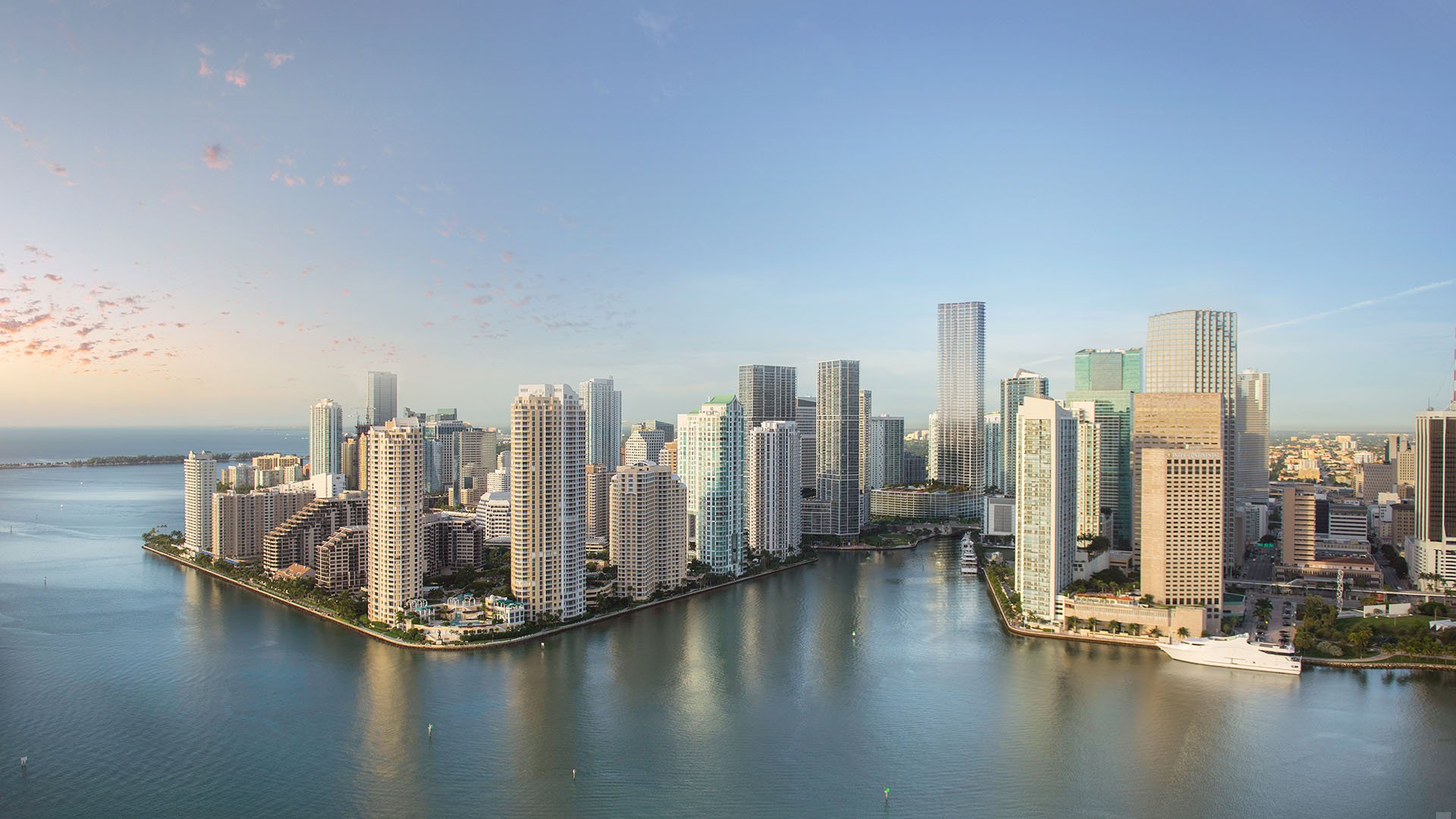
For buyers considering a residence such as Baccarat Residences Brickell, the glamorous part of the decision may be the views, services, architecture, and access. The disciplined part is understanding whether the home is being acquired as a seasonal luxury asset, a future primary residence, or a bridge toward a larger domicile plan.
Homestead planning begins with intent and use. A buyer may be drawn to the idea of wintering in South Florida, but a homestead position is typically tied to a home that functions as the owner’s principal residence. That makes timing, documentation, personal patterns, and consistency important. A residence used for a few long weekends may be elegant, but elegance alone does not make it the center of one’s residential life.
This is especially relevant for owners who maintain multiple residences and are considering a more formal South Florida base. A pied-à-terre can be part of a gradual life transition, but the buyer should be clear about whether the property is intended to remain seasonal or eventually become the primary base. That decision may influence everything from title structure to estate planning, insurance discussions, and the cadence of personal recordkeeping.
The most expensive mistake is assuming that the label can be decided later without consequences. A buyer who closes through an entity for privacy, financing, or estate reasons may find that such structuring must be evaluated carefully against any future homestead objective. Conversely, a buyer focused on homestead treatment may accept a more direct ownership approach after professional review. Neither path is universally superior. The right answer depends on the client’s balance sheet, family structure, privacy needs, and long-term residency intention.
The phrase “seasonal pied-à-terre” sounds simple, but it can describe very different ownership patterns. One buyer wants a serviced apartment near restaurants and offices during the winter season. Another wants a residence that will become a full-time home within several years. A third wants a warm-weather address that children, guests, or staff may use throughout the year. Each version carries a different cost profile.
Second-home ownership often brings a broader expense stack than buyers initially model. The home must function beautifully even when the owner is absent. That means management, security, maintenance coordination, storm preparation, delivery access, housekeeping, vehicle storage, and vendor oversight all matter. In a high-service condominium, many of those needs may be streamlined, but the monthly association line then becomes part of the premium paid for convenience.
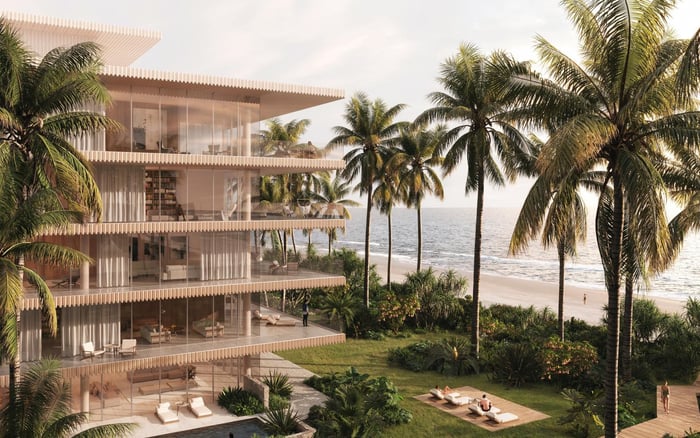
At The Perigon Miami Beach, for example, the appeal of a refined coastal lifestyle sits alongside the practical question every seasonal buyer should ask: will this property be held as an indulgent retreat, or is it part of a more serious personal relocation arc? The answer changes how the owner should think about holding period, liquidity, and the annual burden of the asset.
Homestead strategy is not isolated from geography. South Florida’s luxury districts serve different expressions of wealth. Brickell appeals to buyers who want finance, restaurants, culture, and airport access in a vertical setting. Miami Beach offers a more resort-driven rhythm. Sunny Isles emphasizes oceanfront scale and privacy in the sky. West Palm Beach has drawn attention from buyers seeking a polished civic setting with private clubs, waterfront corridors, and proximity to Palm Beach.
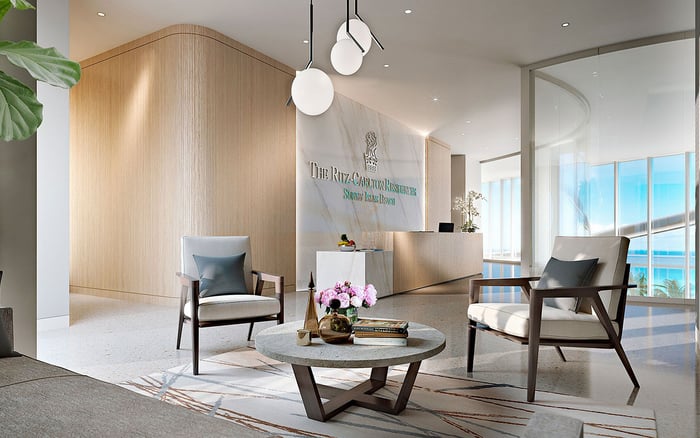
A buyer comparing The Ritz-Carlton Residences® Sunny Isles with Alba West Palm Beach is not merely comparing floor plans. The buyer is comparing lifestyles, travel patterns, social ecosystems, and the likelihood that one address could credibly become the center of daily life. If the residence is intended to become a primary home, the neighborhood should support ordinary routines, not only holiday pleasures.
This is where the most thoughtful buyers become less romantic and more exacting. They consider where they will receive guests, where they will dine on a Tuesday, how often they will fly, whether medical access matters, where children or grandchildren will visit, and how the residence will feel outside peak season. The right homestead strategy begins with a property that can plausibly support the life the owner is claiming to live.
In luxury real estate, ownership structure is often treated as a private matter, and rightly so. Trusts, limited liability companies, family entities, and personal ownership each serve different goals. Some buyers prioritize anonymity. Others focus on succession. Others want simplicity. Homestead planning adds another layer because the desired tax and planning treatment may not always align cleanly with the structure chosen for privacy or estate purposes.
Before signing a contract, buyers should bring together their real estate advisor, tax counsel, estate counsel, and, where relevant, financing team. The question is not just, “Can I buy this?” It is, “How should I own this if my intention changes over time?” A buyer who begins with a seasonal use case may later decide to make South Florida the primary base. If that possibility is real, the acquisition should be designed with enough flexibility to avoid unnecessary friction.
This is particularly important for investment-minded purchasers who also have personal use goals. A property purchased partly for appreciation, partly for family enjoyment, and partly as a possible future primary residence requires cleaner thinking than a pure investment asset. Rental rules, association policies, personal occupancy, tax planning, and exit timing should be reviewed as one connected picture.
A serious carrying-cost model should compare at least three scenarios. First, the residence as a true seasonal second home. Second, the residence as a future primary home. Third, the residence as a flexible asset that may be sold, rented where permitted, or exchanged for a larger property if the owner’s plans evolve. The exercise is less about prediction than discipline.
The model should include acquisition costs, annual taxes, association dues, insurance, maintenance, reserves for furnishings and technology, financing assumptions, management costs, and expected duration of ownership. It should also ask how the home will be used during the months the owner is absent. A pied-à-terre that sits empty can still be valuable if it preserves privacy and convenience. But the owner should be honest about paying for optionality.
The best South Florida purchases usually have a clear thesis. They are not bought because a sales gallery was persuasive or because a winter week felt perfect. They are bought because the owner understands the role the residence will play in a larger life. Homestead strategy does not diminish the romance of the purchase. It gives the romance a financial architecture.
Can a seasonal pied-à-terre qualify as a homestead? It depends on whether the residence is truly positioned as a primary home, not simply used as a seasonal address.
Should I decide on homestead strategy before closing? Yes. The decision can influence ownership structure, documentation, planning conversations, and long-term cost modeling.
Does buying through an entity affect the analysis? It can. Entity ownership may support privacy or estate goals, but it should be reviewed against any homestead objective.
Is a luxury condo different from a single-family home for planning? The same strategic questions apply, but condo rules, association costs, and rental policies deserve extra review.
What is the biggest mistake seasonal buyers make? Many underestimate the cost of owning a home that must remain ready, secure, and serviced while they are away.
Can a second home become a primary residence later? It may, but the buyer should plan for that possibility early and keep personal, legal, and tax advice aligned.
Do neighborhood choices matter for homestead planning? Yes. A credible primary residence should support daily life, not only vacation patterns and peak-season visits.
Should rental income be part of the strategy? Only after reviewing building rules, personal-use goals, tax implications, and the owner’s tolerance for operational complexity.
Who should advise on the decision? A buyer should coordinate real estate, tax, legal, estate, and financing advisors before finalizing the ownership plan.
Is homestead strategy only about taxes? No. It also touches privacy, estate planning, lifestyle credibility, liquidity, and the long-term role of the residence.
To compare the best-fit options with clarity, connect with MILLION.
If branded residences are on your mind — as a home or as an allocation — we would be glad to share what we are seeing, privately.
Begin a quiet conversation