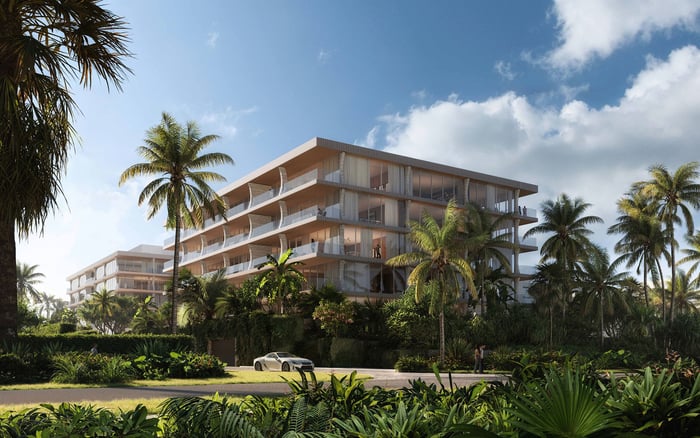
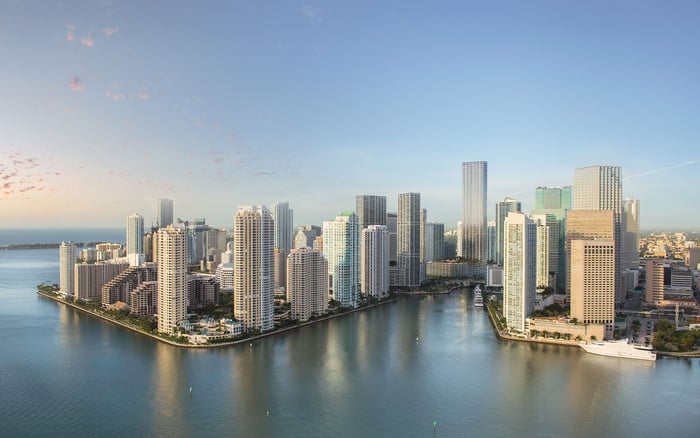
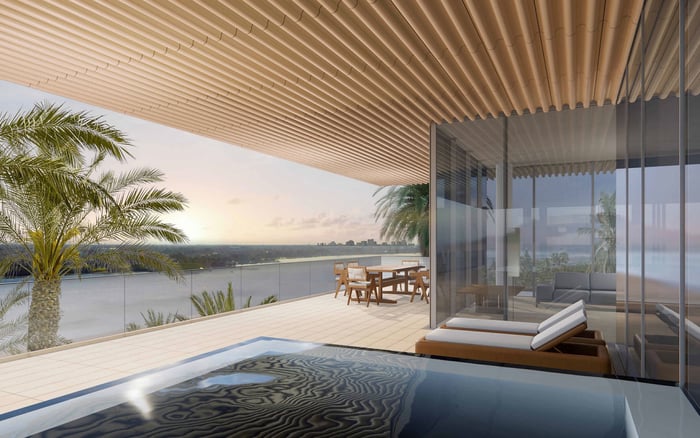
For New York buyers dividing life between South Florida and the Northeast, the choice between Miami and Palm Beach is less about prestige than rhythm, social style, household logistics, and how each residence performs in a carefully scheduled year.
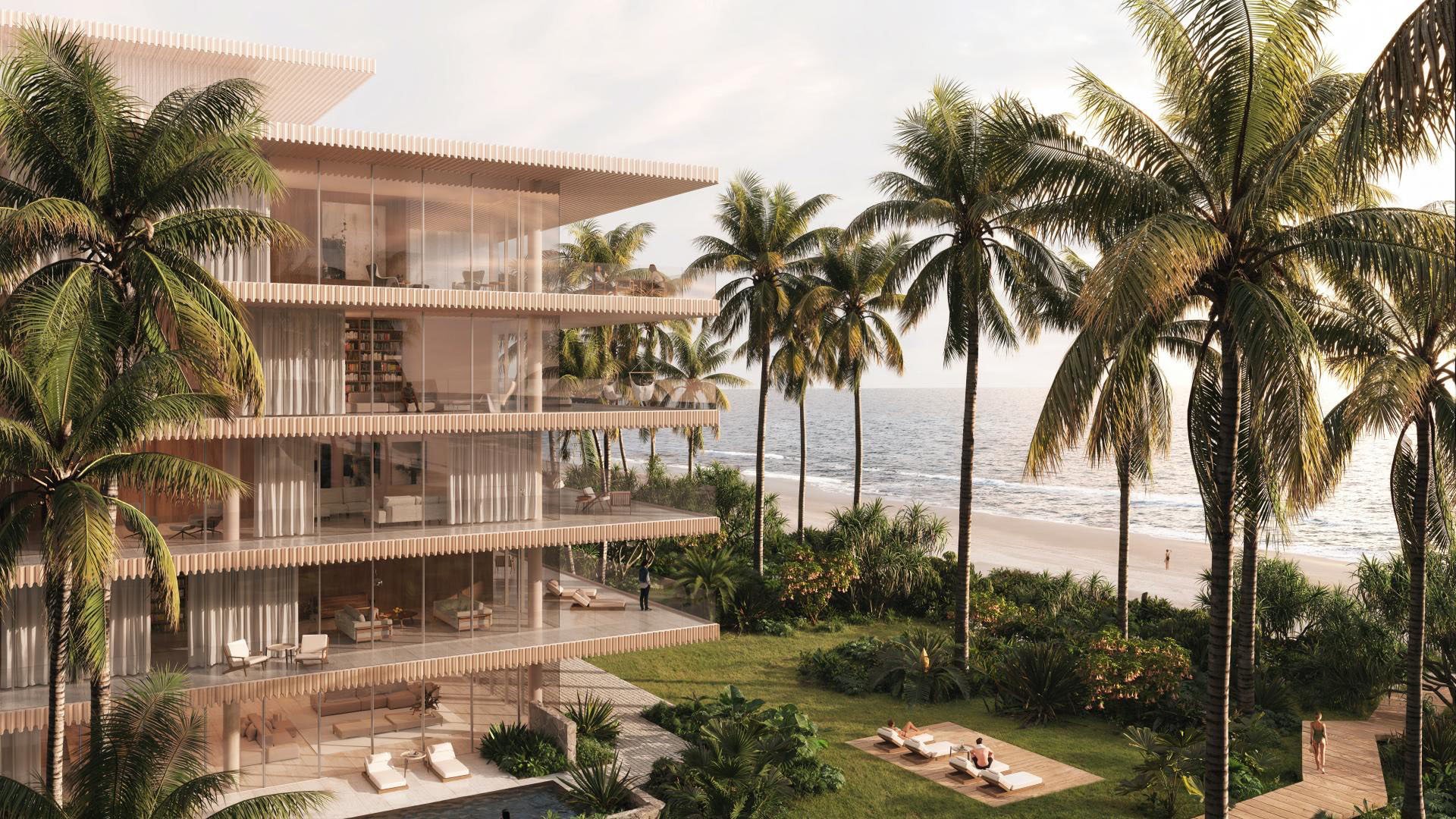
For buyers dividing the year between New York and Florida, the South Florida decision has grown more nuanced than a simple preference for coastline, tax climate, or winter sun. The more revealing question is behavioral: does the household want Miami energy or Palm Beach ceremony?
Miami offers immediacy. It is the place for the dinner that becomes a room, the morning meeting that turns into an afternoon on the water, the art opening that continues into a private supper. Palm Beach offers choreography. It is quieter, more formal, and more deliberate, with the sense that life is arranged rather than improvised.
Neither model is inherently superior. For one New York buyer, the ideal Florida residence is a counterpoint to Manhattan intensity. For another, it is a warmer, more fluid extension of the same social and commercial tempo. The best acquisition begins by identifying which version of Florida will actually be used, not merely admired.
Miami appeals to buyers who want South Florida to remain kinetic. The draw is not only nightlife or design, but the feeling of connection to new capital, hospitality, wellness, architecture, and cultural crosscurrents. A buyer choosing Brickell, Edgewater, Miami Beach, or Coconut Grove is often choosing a life that can move quickly from boardroom to water, restaurant, gallery, and airport.
For New Yorkers accustomed to density, Miami can feel surprisingly intuitive. Brickell, in particular, offers a vertical rhythm familiar to buyers who value walkability, service, and a skyline context. A residence such as 888 Brickell by Dolce & Gabbana speaks to the buyer who wants fashion, hospitality, and private residence to read as one polished urban language.
Miami Beach answers a different need. It delivers ocean, leisure, and a more resort-like cadence while keeping the city close. For the buyer who wants a softer Florida base without surrendering cultural proximity, The Perigon Miami Beach fits the idea of a residence where architecture, beach access, and discretion matter more than spectacle.
The Miami buyer is often comfortable with movement. They may arrive Thursday evening, host Friday, spend Saturday between beach and dinner, and return north feeling the weekend had momentum. If the Florida home is expected to generate social oxygen, Miami generally has the advantage.
Palm Beach attracts a buyer who wants Florida to edit life rather than accelerate it. The appeal is less about constant novelty and more about composure. Days feel structured around clubs, private lunches, family visits, charity calendars, quiet dinners, and homes that protect the art of arrival.
This is ceremony in the best sense. The value is not stiffness, but order. For New York families already living inside professional intensity, Palm Beach can offer a different form of luxury: fewer decisions, greater predictability, and a social environment where privacy is understood without explanation.
West Palm Beach has become part of this conversation because it gives buyers access to a more urban residential experience near the Palm Beach world. Alba West Palm Beach can appeal to those who want water, convenience, and a gentler version of city living while remaining connected to the broader Palm Beach orbit.
The Palm Beach buyer tends to value ritual. The home is not simply a weekend landing pad. It is where holiday tables are set, grandchildren visit, wardrobes change with the season, and household staff understand the rhythm before anyone speaks it. For these buyers, ceremony is not decorative. It is operational.
A useful way to decide is to map the Florida home against the actual calendar. If the buyer will fly in for compressed, highly social weekends, Miami is often easier to activate. If the buyer expects longer winter stays, family continuity, and a more settled household rhythm, Palm Beach can feel more natural.
There is also the question of emotional contrast. Some New York buyers do not want another city. They want gardens, quiet roads, familiar dining rooms, and a sense of social filtration. Others find that too still. They want a waterfront tower, a branded lobby, a strong restaurant circuit, and friends arriving from multiple industries and countries.
Second-home planning should also account for guests. Adult children may gravitate toward Miami. Parents or extended family may prefer Palm Beach. Business partners may find Brickell convenient. Long weekends with close friends may feel better in Miami Beach. The residence should match the people who will actually use it, not the imagined version of a season.
Not every split-time buyer wants the voltage of Miami or the full ceremony of Palm Beach. Boca Raton can offer a middle language: polished, residential, family-oriented, and comparatively calm. It is often considered by buyers who want refinement without the constant social charge of Miami or the more codified traditions associated with Palm Beach.
A project such as Alina Residences Boca Raton illustrates why Boca appeals to buyers who prize convenience, privacy, and a composed everyday environment. The decision may be less theatrical, but for the right household, that is precisely the point.
This middle path matters because many New York buyers are not trying to make a philosophical statement. They are trying to build a year that works. They want sunshine, security, excellent interiors, strong services, access to friends, and enough distance from New York to feel renewed. Boca can answer that without insisting on either Miami energy or Palm Beach ceremony as the dominant identity.
Across all three lifestyle lanes, the most sophisticated buyers focus on repeatability. The residence must be easy to enter, easy to maintain, and easy to enjoy on short notice. A beautiful home that requires too much orchestration can become an obligation. A slightly more efficient property, in the right building and location, may be used far more often.
Service is central. Split-time buyers need confidence that the residence will be ready after weeks away. Delivery, maintenance, privacy, parking, fitness, pool, and guest logistics all need to function without drama. In this segment, convenience is not a modest word. It is one of the purest forms of luxury.
Arrival is equally important. How long does it take to move from airport to residence? Does the transition feel calm or congested? Can luggage, staff, guests, pets, and children move through the property gracefully? Buyers often focus on the view, but the weekly arrival sequence may determine satisfaction more consistently than the panorama.
Miami matters more when the buyer wants Florida to feel alive, contemporary, and socially elastic. Palm Beach matters more when the buyer wants Florida to feel composed, private, and generational. Boca Raton matters when the buyer wants elegance without choosing a louder side.
For New York buyers, the strongest answer is rarely ideological. It is practical, personal, and seasonal. The right South Florida home should support the way a household already lives while offering one carefully chosen improvement: more energy, more ceremony, or more ease.
Is Miami better than Palm Beach for New York buyers? Miami is better for buyers who want energy, access, and flexibility. Palm Beach is better for buyers who want privacy, ritual, and a slower rhythm.
Why do split-time buyers like Brickell? Brickell feels familiar to many New Yorkers because it offers vertical living, services, dining, and a strong urban cadence within South Florida.
Is Palm Beach too quiet for younger families? It depends on the family’s rhythm. Some prefer its privacy and order, while others may want Miami’s broader social and cultural pace.
Can Miami Beach offer calm as well as energy? Yes. Certain Miami Beach residences provide oceanfront calm while keeping buyers close to restaurants, culture, and the city.
Where does Boca Raton fit in this decision? Boca Raton can suit buyers seeking polished residential ease without the full intensity of Miami or the formality of Palm Beach.
Should buyers choose based on investment or lifestyle first? For split-time users, lifestyle should lead. A residence that is used often and easily usually delivers the clearest personal value.
What is the biggest mistake New York buyers make in Florida? They sometimes buy for an imagined season rather than their real calendar, guest patterns, and preferred pace of living.
Does branded new construction matter for this audience? It can, especially when service, design consistency, and lock-and-leave confidence are priorities for a part-time household.
How many Florida homes should a buyer tour before deciding? Enough to compare rhythm, not just finishes. Buyers should experience arrival, neighborhood mood, service, and evening atmosphere.
What matters most for a second home in South Florida? Repeatability matters most. The home should be effortless to use, secure when vacant, and aligned with the owner’s social rhythm.
For a confidential assessment and a building-by-building shortlist, connect with MILLION.
If branded residences are on your mind — as a home or as an allocation — we would be glad to share what we are seeing, privately.
Begin a quiet conversation