For Dallas buyers considering South Florida, airport access should be a constraint filter, not the entire search. The strongest fit depends on how Palm Beach International, Fort Lauderdale-Hollywood International, Miami International, and executive airports support the household’s real travel patterns while preserving the lifestyle that made the move desirable.
For a Dallas buyer evaluating Palm Beach, the instinct is often to recreate a familiar airport routine. In North Texas, that usually means weighing a known airport habit against family logistics, airline preferences, commercial schedules, and private-flight needs.
South Florida asks for a different mental model. The region is a coastal corridor where Palm Beach International Airport, Fort Lauderdale-Hollywood International Airport, Miami International Airport, and executive aviation options can all influence the search depending on how the household actually travels.
The sharper question is not which airport looks closest on a map. It is which airport mix supports the buyer’s real calendar while protecting the daily life that made the move appealing: waterfront orientation, privacy, club access, school preferences, walkability, boating needs, and the quieter rituals of a second home.
Lifestyle is the real asset in a South Florida purchase. Airport access is a constraint filter. That distinction matters because two homes can appear equally practical on a map yet feel entirely different once the week begins.
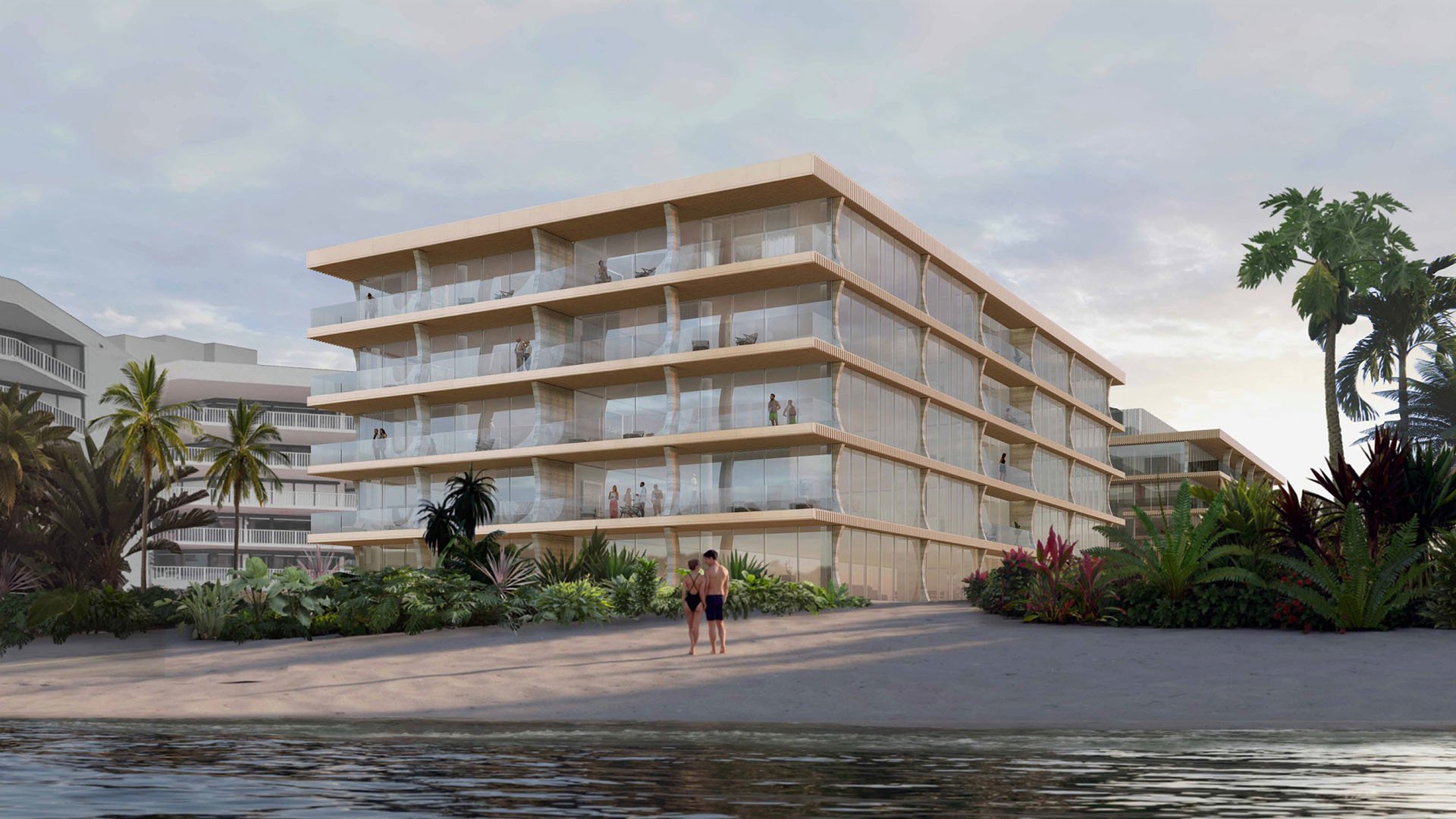
Palm Beach and nearby northern communities tend to suit buyers seeking a composed resort-town rhythm, with Palm Beach International Airport as a natural reference point. For those considering a base in the Palm Beach orbit, Palm Beach Residences keeps the conversation where it belongs: lifestyle first, airport convenience second.
For a buyer expecting frequent international travel, Miami-area neighborhoods may deserve closer attention. Even then, the answer is not necessarily to live as close to Miami International Airport as possible. A Coral Gables buyer, for example, may prioritize village-like streets, cultural proximity, and a more residential cadence, with projects such as The Village at Coral Gables better aligned with that sensibility than a purely airport-driven choice.
For many Dallas-to-Palm Beach buyers, Palm Beach International Airport is the first airport reference point. It allows the search to remain focused on the northern corridor rather than stretching south for every possible flight scenario.
That can be valuable for households using South Florida seasonally. If the home is meant to be a restorative counterpoint to Dallas, a calmer arrival and departure routine carries weight. The airport matters because it reduces friction, not because it should define the home.
The Palm Beach decision still deserves discipline. Buyers should test how often they are likely to use Miami International Airport or Fort Lauderdale-Hollywood International Airport, then decide whether those occasions justify shifting the entire search. For some, the answer will be no. The value of Palm Beach lies in the daily atmosphere: quieter mornings, polished social infrastructure, proximity to the water, and the sense that the home is more than a travel base.
Boca Raton can be a practical compromise for buyers who do not want to choose between the northern and central airport corridors too early. It sits in the broader Palm Beach-to-Fort Lauderdale conversation, which can be useful for households that may use more than one airport depending on destination, schedule, or season.
For private-aviation users, executive and general aviation options can widen the search. Instead of orienting every decision around a major commercial terminal, the buyer can evaluate clubs, waterfront settings, downtown access, school preferences, and the daily routine of the home.
For buyers drawn to a polished city-with-resort-features profile, Alina Residences Boca Raton shows why Boca Raton deserves consideration beyond its map position. It can function as a middle-corridor base without feeling like a compromise.
Fort Lauderdale works best for buyers who want central positioning. Fort Lauderdale-Hollywood International Airport and Broward-area executive aviation can be relevant for a household moving between Palm Beach, Miami, and out-of-state travel.
This is not only about flights. Fort Lauderdale, Las Olas, and nearby waterfront communities can offer a blend of boating culture, city access, and beach proximity. For the buyer who wants to avoid the extremes of north and south, the area can feel strategically balanced.
A residence such as Riva Residenze Fort Lauderdale fits naturally into this conversation because it lets the buyer think in layers: daily waterfront living, Broward-area convenience, and access to multiple aviation choices. The airport plan supports the lifestyle rather than overpowering it.
Miami is the logical focus for buyers whose calendars include frequent international travel. Miami International Airport often becomes part of that analysis, especially for families, executives, and investors with cross-border routines.
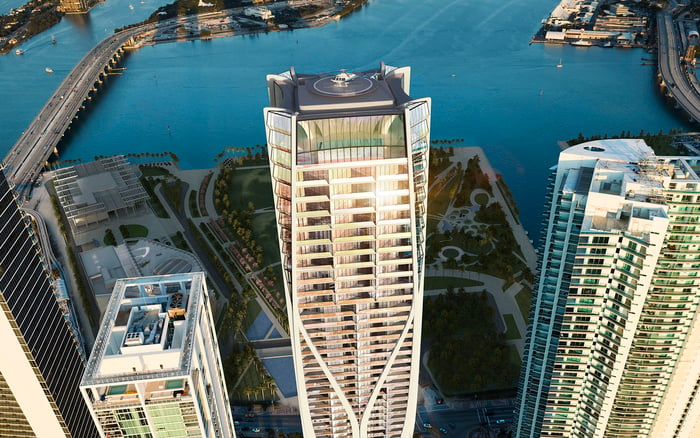
But Miami is not one lifestyle. Brickell may appeal to buyers who want dense, vertical energy with restaurants and waterfront towers close at hand. The Residences at 1428 Brickell belongs in a conversation about urban convenience and global connectivity, not as a substitute for deciding whether that rhythm fits the household.
Coral Gables, Coconut Grove, Miami Beach, Bal Harbour, and Fisher Island each change the calculus. Private-aviation users may also evaluate executive airport access differently from commercial travelers, which means a buyer may have more flexibility than a commercial-airport map suggests.
For Dallas buyers accustomed to a close-in airport option, the temptation is to search for a South Florida equivalent. That comparison can help frame the conversation, but it should not be applied too literally. South Florida’s geography, bridges, waterfronts, and neighborhood identities make the lifestyle decision more nuanced.
A disciplined buyer can simplify the search with four questions.
First, what percentage of flights are commercial versus private? If private aviation is frequent, executive airports may matter as much as the three major commercial airports.
Second, which commercial airport is most likely to be used most often? Palm Beach International supports many northern-corridor searches, Fort Lauderdale-Hollywood International supports many central-corridor searches, and Miami International supports many Miami-area searches.
Third, how much airport drive tolerance is acceptable? This should be separated from daily-life tolerance. A slightly easier airport run is rarely worth giving up the neighborhood, privacy, view, or club environment that will shape every non-travel day.
Fourth, is the home a primary residence, seasonal base, or family gathering point? A seasonal home can tolerate a different airport equation than a full-time residence with school, staff, entertaining, and routine healthcare needs.
The best answer is rarely a single pin on a map. It is a hierarchy: lifestyle, neighborhood character, property quality, then airport strategy.
Should a Dallas buyer choose the closest South Florida airport first? No. The better starting point is the household’s actual travel pattern, followed by the lifestyle and property criteria that matter every day.
Which airport should Palm Beach buyers consider first? Palm Beach International Airport is often the first reference point for buyers focused on the Palm Beach area and the northern corridor.
When does Miami International Airport become more important? It becomes more important when the buyer’s routine includes frequent international travel or a Miami-centered lifestyle.
Why consider Fort Lauderdale instead of Palm Beach or Miami? Fort Lauderdale can offer central positioning for buyers who expect to move between northern and southern South Florida markets.
Is Boca Raton a practical compromise? Yes. Boca Raton can suit buyers who want a middle-corridor lifestyle while keeping multiple airport options in the conversation.
Do private-aviation users need to live near a major airport? Not always. Executive and general aviation options can widen the search beyond the most obvious commercial-airport neighborhoods.
How should Dallas airport habits influence the search? Dallas habits can help clarify tolerance for convenience, but they should not be forced onto South Florida’s coastal geography.
Can airport access justify compromising on waterfront or privacy? Usually not. Airport drive tolerance should be evaluated separately from daily-life satisfaction and long-term property fit.
Is Brickell right for every frequent traveler? No. Brickell can be compelling for urban convenience, but Coral Gables, Miami Beach, and other areas may better fit the desired lifestyle.
What is the best way to shortlist comparable options for touring? Start with location fit, delivery status, and daily lifestyle priorities, then compare stacks and elevations to validate views and privacy.
For a discreet conversation and a curated building-by-building shortlist, connect with MILLION.
If branded residences are on your mind — as a home or as an allocation — we would be glad to share what we are seeing, privately.
Begin a quiet conversation