An editorial look at how The Ritz-Carlton Residences® Miami Beach positions waterfront ownership around privacy, discretion, branded service, and reduced maintenance rather than conventional beachfront exposure.
In Miami Beach, “oceanfront” often suggests a highly visible lifestyle: sand, movement, hotel energy, and the constant theater of the shoreline. The more discerning luxury question is whether a buyer can access the emotional value of waterfront ownership without accepting the exposure that can come with it. That is where The Ritz-Carlton Residences® Miami Beach enters the conversation.
The project is framed less as a conventional collection of high-end apartments than as an alternative to a single-family waterfront estate. Its appeal is not built on spectacle. It is built on privacy, discretion, service, and reduced day-to-day responsibility. For buyers who already understand Miami Beach, that distinction matters. The address is not positioned as a louder beachfront proposition. Its quieter lagoon setting supports a different ownership rhythm, giving waterfront access a more residential, less exposed character.
This is a useful lens for affluent buyers who may admire the autonomy of Estates & Single-Family ownership but do not want the operational burden that follows a standalone waterfront home. The central promise is not simply luxury. It is a more managed version of luxury, where privacy and maintenance are treated as connected parts of the same experience.
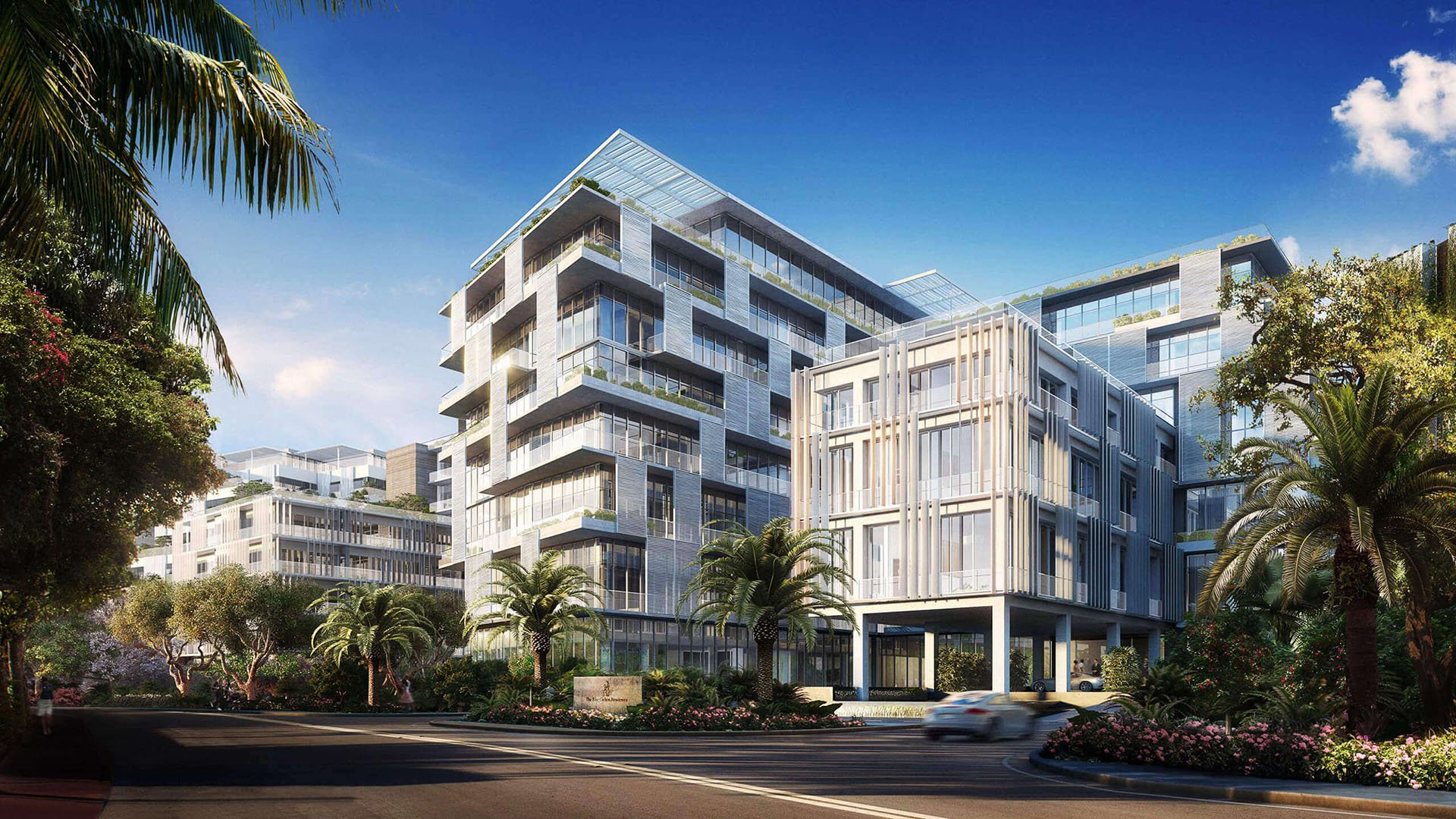
Privacy in Miami Beach is not only about walls, gates, or distance. It is about how a property manages arrival, circulation, density, visibility, and daily activity. The Ritz-Carlton Residences® Miami Beach is positioned around a low-density master plan, supporting its broader privacy narrative. The value proposition is not just that residents have refined homes. It is that the overall environment is designed to feel less crowded and less transient.
That matters because many luxury buyers are increasingly sensitive to exposure. They may want Miami Beach, but not necessarily the most public version of Miami Beach. They may want water, but not the bustle of a busier sand strip. They may want service, but not the constant guest traffic associated with hotel-condo formats. In this context, discretion becomes more than a marketing phrase. It becomes a practical ownership preference.
Buyers comparing Miami Beach residences will naturally look across different expressions of the market, from The Perigon Miami Beach to Shore Club Private Collections Miami Beach. The Ritz-Carlton Residences® Pompano Beach may also enter a broader branded-residence comparison, while the Miami Beach project stands apart in this discussion because its story is rooted in a quieter waterfront setting rather than a more conspicuous beachfront identity.
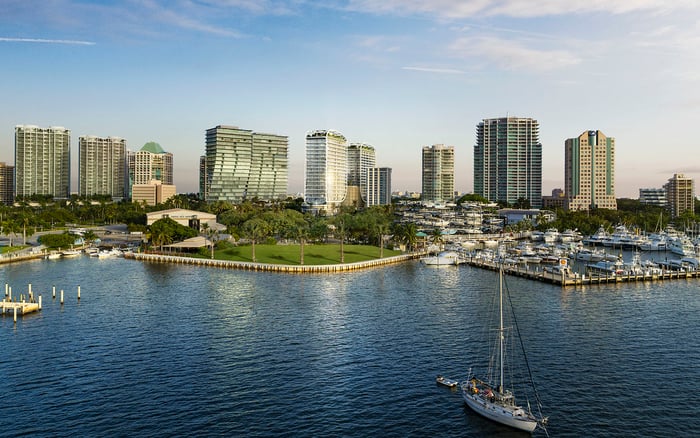
The project’s lagoon context is central to understanding its appeal. In a city where prime waterfront living often means proximity to highly active beachfront corridors, a quieter lagoon can shift the tone of ownership. It frames the residence as a retreat within Miami Beach rather than a stage on the sand.
That distinction does not diminish the waterfront proposition. It clarifies it. Waterfront ownership is not a single category. For some buyers, the ideal is direct sand access and visible resort energy. For others, it is the calm of water, the ability to withdraw, and the sense that home remains separate from the public tempo of the city. The Ritz-Carlton Residences® Miami Beach is aimed at the latter buyer.
This also explains why the property can be discussed in relation to traditional oceanfront estates, even while its site is more nuanced than a straightforward beachfront strip. The estate comparison is about the feeling of privacy and control, not a claim that the ownership experience is identical to a standalone house. For a buyer who wants the water, the brand, and the convenience, but not the ongoing management of grounds, exterior systems, and routine property oversight, that difference is meaningful.
In the ultra-luxury market, maintenance is rarely glamorous, but it is often decisive. A waterfront estate can be beautiful and demanding at the same time. Staffing, repairs, exterior upkeep, vendor coordination, and routine oversight can turn ownership into a management exercise. For a primary resident, that may be acceptable. For a seasonal owner, global traveler, or buyer with multiple homes, it can become the very thing luxury is meant to solve.
The Ritz-Carlton branding reinforces expectations around service, operations, and residential maintenance support. The project’s proposition is that buyers can access high-service ownership without personally managing many of the daily responsibilities associated with a standalone waterfront property. That does not make it maintenance-free in an absolute sense. It makes the maintenance experience more organized, more residentially supported, and less dependent on the owner’s constant attention.
This is why the phrase Branded Residences has become so influential in South Florida. At its best, the branded model gives buyers confidence in service culture and operational standards. For Miami Beach buyers, the more precise question is whether the brand supports privacy or undermines it. Here, the non-hotel branded-residence model is important because it differentiates the property from formats that may include more transient guest activity.
Not every branded residence produces the same ownership experience. Some projects are closely tied to hospitality energy, while others are more purely residential. The Ritz-Carlton Residences® Miami Beach is framed as a non-hotel branded residence, an especially relevant distinction for buyers who want the reassurance of a globally recognized service name without the feeling of living inside a hotel environment.
That distinction can influence everything from daily mood to perceived exclusivity. A calmer residential setting can feel more personal, more secure, and more appropriate for buyers who value discretion. It also aligns with the project’s low-density positioning. Together, the model and the master plan create a narrative of service without spectacle.
For buyers surveying the larger Miami Beach landscape, Setai Residences Miami Beach may represent another point of comparison in the broader high-end conversation. The important exercise is not simply choosing the most recognizable name. It is identifying which ownership format best matches a buyer’s tolerance for visibility, activity, and operational involvement.
The strongest way to understand The Ritz-Carlton Residences® Miami Beach is as an estate alternative. It is not a replacement for the full autonomy of a private single-family waterfront home. It is a different solution for a buyer who wants privacy and water, along with the benefits of shared operations and branded residential support.
That framing is especially compelling in a market where luxury buyers often own across several geographies. They may not want to supervise every detail of a waterfront residence each time they are away. They may prefer a home that feels private on arrival and easier to leave behind when travel resumes. Convenience and privacy are not separate benefits here. They are part of one ownership philosophy.
This is also why the project belongs in the Waterfront conversation, even as its lagoon setting gives it a more discreet identity than many sand-facing addresses. In South Florida, water is not only about view or access. It is about atmosphere, separation, and the way a residence changes the owner’s relationship to the city around it.
The right buyer is not only buying a residence. They are buying a reduction in friction. They want Miami Beach without constant exposure, service without hotel traffic, water without the full maintenance burden of a standalone estate, and a residential setting that feels intentionally composed.
That buyer may still compare a broader field, including The Ritz-Carlton Residences® South Beach, depending on lifestyle priorities. Yet the Miami Beach lagoon proposition is distinct because it makes privacy the organizing principle. The ownership story begins with discretion, then layers in brand, service, and convenience.
For MILLION readers, the relevant categories are clear: Miami Beach, Oceanfront, Waterfront, Branded Residences, and Estates & Single-Family alternatives. The most sophisticated buyers are not asking only how impressive a property looks. They are asking how quietly, efficiently, and privately it lives.
Is The Ritz-Carlton Residences® Miami Beach best understood as oceanfront or waterfront? It is best read as a nuanced waterfront ownership proposition, with a quieter lagoon setting rather than a busier beachfront strip.
Why does privacy matter so much for this project? The project is framed around discretion, low density, and a less exposed Miami Beach lifestyle for affluent buyers.
How does it compare with a single-family waterfront estate? It offers an estate-like privacy narrative while reducing many routine responsibilities associated with standalone waterfront ownership.
Is this a hotel-condo model? The project is positioned as a non-hotel branded residence, helping distinguish it from ownership formats with more transient guest activity.
What role does the Ritz-Carlton brand play? The brand reinforces expectations around service, operations, and residential maintenance support.
Who is the likely buyer for this residence concept? It suits buyers who want Miami Beach waterfront access, privacy, and convenience without a highly visible beachfront setting.
Does low density affect the ownership experience? Yes. The low-density master plan supports the project’s privacy proposition and calmer residential tone.
Is the maintenance benefit mainly about convenience? Convenience is central, but the larger idea is reducing ownership friction while preserving a high-service residential environment.
Why is discretion part of the value proposition? Many luxury buyers want a Miami Beach home that feels private, composed, and less exposed to public activity.
What should buyers compare before deciding? Buyers should compare setting, service model, density, privacy, and how much property oversight they want to manage personally.
To compare the best-fit options with clarity, connect with MILLION.
If branded residences are on your mind — as a home or as an allocation — we would be glad to share what we are seeing, privately.
Begin a quiet conversation