For foreign buyers, the calendar is not administrative background noise. It can influence currency exposure, financing certainty, deposit strategy, insurance timing, condominium approvals and the ultimate cost of owning a South Florida oceanfront residence.
For the international buyer, a South Florida oceanfront residence is rarely just a real estate decision. It is a cross-border capital movement, a lifestyle commitment and, often, a family-office exercise in precision. The published contract price may be clear, but the real cost can shift between offer and closing if the buyer’s timeline is not managed with the same care as the residence itself.
That is especially true in oceanfront markets where desirable inventory is limited, sellers expect certainty and the best units often attract buyers from multiple jurisdictions. A week gained or lost can affect exchange-rate exposure, financing readiness, transfer logistics, insurance timing, condominium association review and the confidence a seller assigns to the offer.
In this sense, time becomes a pricing variable. Not visibly, perhaps, but materially.
A delayed closing can create costs that are not always written into the purchase price. Currency movement is the clearest example for a buyer whose capital is held outside the United States. If the buyer commits in dollars but converts later, the final outlay in the home currency can move before closing.
Funds readiness is another variable. International wires, compliance review, bank holidays in multiple countries and documentation requests can make a closing calendar less predictable. A buyer who has not prepared the transfer path before signing may discover that liquidity is available in theory but slower in practice.
Financing can add another layer. Even when a buyer has substantial global assets, documentation standards, asset verification, entity ownership and income presentation can lengthen underwriting. A cash offer may appear simpler, but cash is only compelling when it is accessible, documented and deliverable on schedule.
In the luxury tier, a seller is not only evaluating price. The seller is evaluating execution risk. A foreign buyer who presents clean proof of funds, a defined closing window and a prepared advisory team may be perceived differently from one who offers a higher number but leaves timing unresolved.
This matters in Miami Beach, where buyers may compare residences such as The Perigon Miami Beach while also weighing privacy, seasonality and personal use. A disciplined timeline can help preserve negotiating credibility. It tells the seller that the buyer understands the building, the process and the seriousness of the asset.
The reverse is also true. A buyer who needs repeated extensions may lose leverage even if the underlying intention remains strong. In a market where confidence carries value, uncertainty can become expensive.
Many South Florida luxury purchases involve condominium association review. The process can require applications, identification, financial references and other supporting materials. For foreign buyers, the practical issue is not whether these items can be produced. It is whether they can be produced quickly, consistently and in the correct form.
This is where preparation protects value. Before an offer is made, the buyer’s advisory team should understand who will sign, whether an entity will be used, how funds will be shown and which documents may need translation, certification or additional review.
In Surfside, buyers considering a residence such as The Delmore Surfside may be focused on design, privacy and long-term scarcity. Yet the quieter variable is the buyer’s ability to move through the approval and closing sequence without friction. The more complex the buyer’s structure, the more important the calendar becomes.
Closing timelines affect resale and pre-construction purchases differently. In a resale, the calendar is compressed. The buyer may need to coordinate inspections, deposits, condominium approval, financing and funds transfer within a defined contract period. If the buyer is abroad, every document and signature path should be planned before deadlines begin.
Pre-construction may appear more forgiving because payments are staged over time. Yet timing still matters. Deposit schedules, contract rescission periods, construction milestones and eventual closing notices require capital planning. The real cost may depend on when funds are converted, how reserves are held and whether the buyer’s liquidity strategy anticipates each required payment.
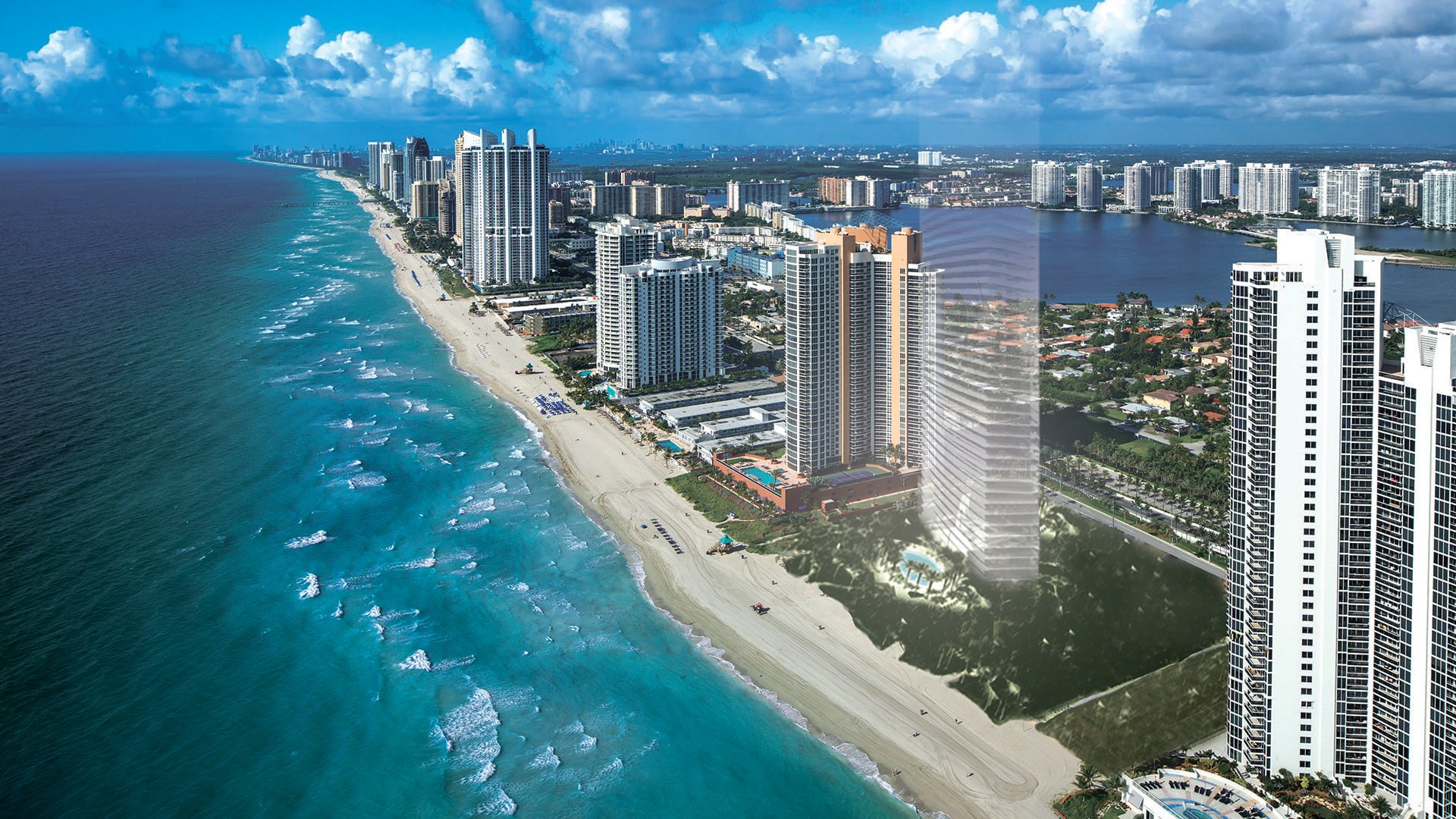
For a buyer looking at Sunny Isles Beach opportunities such as St. Regis® Residences Sunny Isles, the timeline should be viewed as part of the ownership plan. The question is not only whether the residence is desirable, but whether the buyer’s capital can meet each date without unnecessary exposure.
The closing date also influences practical ownership readiness. Insurance, utilities, association payments, property management, furnishings and banking arrangements all need time. A buyer who closes quickly but has not planned post-closing logistics may find that ownership begins with avoidable administrative pressure.
Deposits deserve particular attention. In competitive situations, a strong deposit can support the offer, but only if the buyer is comfortable with the contract obligations attached to it. The goal is not speed for its own sake. The goal is a timeline that is fast enough to satisfy the seller and disciplined enough to protect the buyer.
In Fort Lauderdale Beach, where buyers may evaluate projects such as Four Seasons Hotel & Private Residences Fort Lauderdale, the best-prepared purchasers tend to treat closing as a sequence rather than a single appointment. The residence may be emotional. The execution should not be.
The strongest foreign-buyer strategy begins before the offer. The buyer should decide early whether title will be held personally, through an entity or through another structure, then obtain qualified legal and tax guidance before contract terms are negotiated.
The buyer should also align proof of funds, banking contacts, foreign exchange planning, contract signature authority and travel availability. If financing is involved, pre-underwriting should begin before the desired residence is identified. If the purchase is cash, the funds path should be tested in advance.
A concise internal calendar can be invaluable. It should map offer date, deposit deadline, inspection period, association application, financing milestones, document delivery, wire initiation and closing. This turns the transaction from a reactive process into a controlled one.
In South Florida’s prime oceanfront market, certainty has value. A buyer who can close smoothly may be able to compete more effectively, preserve goodwill and avoid the small frictions that can accumulate into real cost.
The most elegant purchases are rarely rushed. They are prepared. For foreign buyers, the true luxury is not simply the view from the terrace. It is the confidence that the path to ownership has been engineered with discretion, timing and control.
Why does a foreign buyer’s closing timeline affect real cost? Timing can affect currency conversion, financing readiness, wire logistics, deposits and post-closing setup. These variables may change the buyer’s effective outlay even when the contract price stays fixed.
Is a faster closing always better for an international buyer? Not always. A fast closing is useful only when funds, documents, approvals and advisory guidance are fully prepared.
What should be organized before making an offer? Buyers should clarify title structure, proof of funds, banking contacts, signature authority and any legal or tax considerations before contract deadlines begin.
Can currency movement change the effective purchase price? Yes, if the buyer’s capital is held in another currency and converted after the contract is signed. The timing of conversion can influence the real cost in the buyer’s home currency.
Why do sellers care about closing certainty? Sellers often weigh execution risk alongside price. A clear, credible closing plan can make an offer feel stronger.
Do condominium approvals matter for foreign buyers? Yes, because applications and supporting documents can take time to prepare. Early organization helps avoid delays during the contract period.
Is pre-construction easier from a timeline perspective? It can provide more time, but staged deposits and future closing obligations still require careful capital planning.
Should foreign buyers use local advisors? Yes, qualified local legal, tax, banking and real estate guidance can help align the transaction with South Florida closing practices.
Which markets are most sensitive to timing? Competitive coastal areas such as Miami Beach, Sunny Isles Beach and Surfside often reward buyers who can demonstrate certainty and preparedness.
What is the best way to shortlist comparable options for touring? Start with location fit, delivery status, and daily lifestyle priorities, then compare stacks and elevations to validate views and privacy.
For a discreet conversation and a curated building-by-building shortlist, connect with MILLION.
If branded residences are on your mind — as a home or as an allocation — we would be glad to share what we are seeing, privately.
Begin a quiet conversation