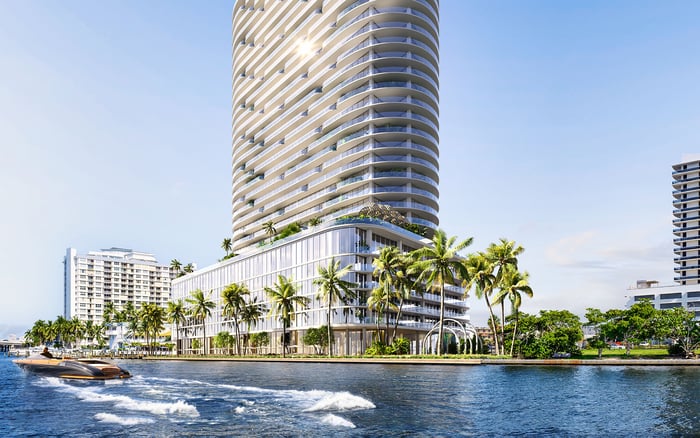
Paying cash can simplify a South Beach acquisition, but it does not replace careful review of the residence, condominium association, insurance strategy, or storm plan. Sophisticated buyers should examine both the visible home and the systems that protect access, continuity, and long-term ownership.
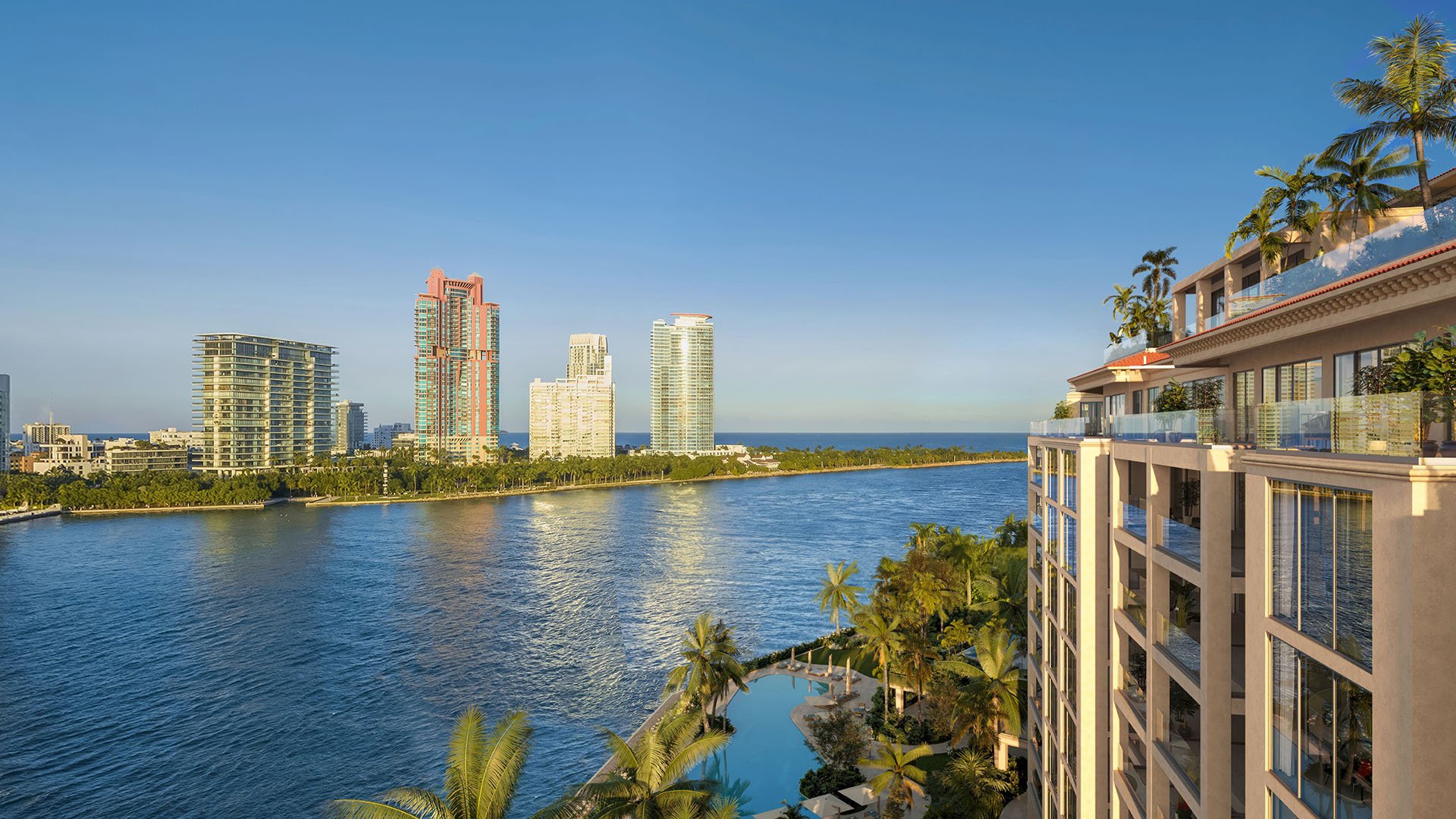
A cash purchase can make a South Beach closing cleaner, but it should not make the review less rigorous. Without a lender imposing conditions, the buyer must independently coordinate legal, insurance, inspection, title, tax, and condominium-document diligence. The objective is not simply to confirm that the residence can close, but to understand how the property will perform through routine salt-air exposure, seasonal absences, building work, and severe weather.
This applies across Miami Beach, from established condominiums to newly delivered residences. Buyers comparing Apogee South Beach with other coastal options should assess the entire ownership framework-not merely the finishes, views, or absence of financing.
Waterfront ownership is both private and collective. Inside the residence, inspect glazing, exterior doors, seals, terraces, drainage points, mechanical equipment, and any evidence of prior moisture intrusion or corrosion. A balcony warrants particular attention: exposure, waterproofing, railings, doors, and drainage can affect both enjoyment and maintenance.
Beyond the unit, examine the condition and management of shared systems. Elevators, generators, pumps, roofs, façades, garages, access controls, and life-safety equipment can determine post-storm usability even when the residence itself remains intact. An oceanfront address may command an emotional premium, but operational resilience helps preserve convenience when conditions are least forgiving.
Request and review the governing documents, current budget, recent financial statements, reserve information, insurance materials, meeting records, pending assessments, active projects, and known disputes. Determine who is responsible for windows, doors, terraces, water intrusion, and interior damage under different circumstances. Counsel and insurance advisers can clarify where association obligations end and owner obligations begin.
Buildings such as Continuum on South Beach and The Ritz-Carlton Residences® South Beach may enter a buyer’s consideration for different reasons, but the same discipline applies: establish the true carrying structure, current capital priorities, approval process, and practical rules governing contractors, deliveries, guests, pets, and extended vacancies.
Storm preparation should take the form of a written operating plan, particularly for a second-home owner. Establish who will monitor official instructions, secure outdoor furnishings, confirm that openings are protected, check vehicles, safeguard documents, and inspect the residence afterward. If a property manager or household professional will act for the owner, define authority, access, communication, and payment arrangements in advance.
Ask management how residents receive notices, when elevators or amenities may be restricted, how staff coverage changes, and which procedures govern re-entry. Confirm whether backup power supports only essential common systems or extends further. A pool, private club space, or landscaped terrace may shape lifestyle appeal, but essential access and communication should lead the preparation conversation.
Cash buyers are not subject to mortgage-lender underwriting, but self-insuring by default can create avoidable concentration. Before the inspection period expires, seek advice on coverage for the interior residence, personal property, liability, temporary living costs, wind-related loss, flood exposure, valuables, and improvements. Confirm deductibles, exclusions, sublimits, documentation requirements, and how claims may interact with the association’s policy.
The association’s coverage should not be assumed to protect every interior finish or owner expense. Buyers considering Shore Club Private Collections Miami Beach or any other coastal residence should align policy terms with the actual ownership structure and intended use. Keep inventories, photographs, receipts, policy records, and key contacts accessible away from the property.
Before funds are released, confirm title matters, association approval, insurance placement, final walk-through findings, access credentials, parking arrangements, building contacts, and responsibility for any unresolved work. After closing, schedule routine inspections during absences and service the climate control, leak detection, shutters or protected openings, and backup systems as applicable.
The strongest buyer’s-guide principle is simple: the purchase price is only one component of waterfront stewardship. A well-advised buyer evaluates beauty, privacy, carrying costs, building governance, and readiness as a single ownership proposition.
Does paying cash eliminate the need for an inspection? No. An inspection helps the buyer understand the residence’s condition and identify areas requiring specialist review.
Should a cash buyer review the condominium association’s insurance? Yes. The association’s policy and the owner’s policy should be examined together for boundaries, deductibles, exclusions, and potential gaps.
Is flood coverage the same as wind coverage? No. They address different perils and should be discussed separately with a qualified insurance adviser.
What building records deserve close attention? Budgets, financial statements, reserve information, meeting records, insurance materials, assessments, major projects, and disputes are central to the review.
Who is responsible for windows and exterior doors? Responsibility varies according to the governing documents and circumstances. Legal counsel should confirm the allocation before closing.
What should an absentee owner’s storm plan include? It should name a local decision-maker, establish property access, assign preparation tasks, define communications, and provide for a post-event inspection.
Does backup power mean the entire residence remains operational? Not necessarily. Buyers should confirm precisely which common and private systems receive backup power.
How should terrace furnishings be handled before severe weather? Establish where they will be secured, who will move them, and when the work will occur under the building’s procedures.
Are reserves the only indicator of condominium financial health? No. Buyers should consider reserves alongside budgets, assessments, insurance costs, planned work, collections, and broader financial records.
What should be completed immediately after closing? Update contacts and access, bind appropriate coverage, document the residence, retain local support, and schedule recurring maintenance and absence checks.
For a discreet conversation and a curated building-by-building shortlist, connect with MILLION.
If branded residences are on your mind — as a home or as an allocation — we would be glad to share what we are seeing, privately.
Begin a quiet conversation