A discreet operating framework for preparing an Edgeworth residence for an extended summer absence, from decision rights and vendor access to inspections, documentation, and reopening.
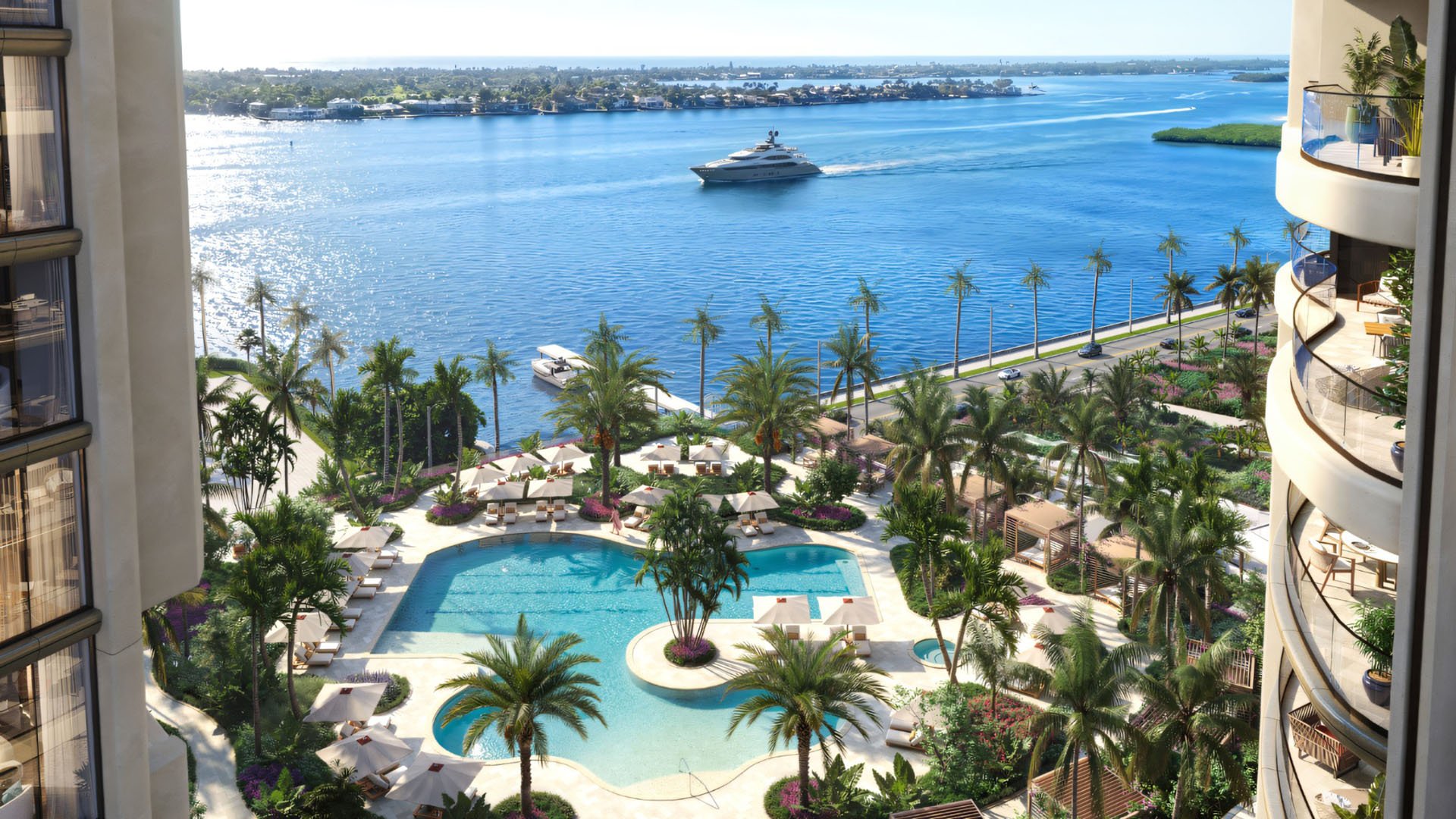
For an owner at Edgeworth West Palm Beach, a summer lock-up should entail more than a final walk-through and the turn of a key. It is a temporary transfer of responsibility from the household to a clearly identified local team. The objective is continuity: the residence remains under observation, decisions are made promptly, and every intervention is documented.
Begin with a written residence brief identifying the owner’s representative, building contact, house manager or caretaker, approved vendors, insurer contact, and one alternate decision-maker. Specify who may authorize routine work, who controls emergency spending, and who must be consulted before access is granted. Never assume that a familiar vendor or staff member has standing permission.
This discipline is particularly important for a second home that may remain unoccupied for an extended period. The plan should be concise enough to use under pressure yet specific enough to eliminate improvised decisions.
A luxury residence can involve several capable people, but capability without hierarchy invites duplication. Appoint one local coordinator to receive notices, schedule inspections, maintain the current access protocol, and consolidate updates. That person should understand which matters demand immediate escalation and which can wait for the next owner briefing.
Create a three-level decision matrix. Routine matters may include scheduled visits and previously approved servicing. Urgent matters require rapid owner notification and a defined spending threshold. Critical matters should trigger immediate protective action, followed by documentation and contact with the designated representative.
Owners comparing West Palm Beach residences may also be considering Alba West Palm Beach or Forté on Flagler West Palm Beach. In every case, management scope, residence access, vendor rules, and owner obligations should be confirmed directly for the specific property rather than inferred from the broader market.
The most effective inspection program separates observation from maintenance. Each visual residence check should follow the same route: entry points, ceilings and walls, cabinetry, wet areas, appliance zones, mechanical interfaces, windows, exterior doors, and storage. Any balcony or terrace should be included only under the property’s approved access and safety procedures.
Schedule maintenance visits independently, with written scopes and completion records. Before departure, review service requirements for climate controls, plumbing fixtures, appliances, lighting controls, backup power components if present, shades, security devices, and any owner-installed technology. The team should verify the equipment actually present in the residence rather than rely on a generic checklist.
For fine art, wine, couture, vehicles, or other sensitive holdings, engage the relevant specialist. The caretaker’s role is to observe and escalate-not to improvise conservation, technical repairs, or collection management.
Storm planning is fundamentally a matter of authority and timing. Ask property management which measures the building controls, which remain the owner’s responsibility, when outside vendors may enter, and what access restrictions may apply during a weather event. Obtain these answers before departure and incorporate them into the residence brief.
The owner’s plan should identify who may relocate exterior furnishings, secure approved openings, photograph conditions, disconnect designated equipment, or arrange specialist work. No one should alter building systems or install protective materials without written authorization and confirmation that the work complies with property requirements.
Create a pre-event inventory of the residence using dated images. Include major rooms, windows, doors, built-ins, valuable contents, and exterior areas. Store copies where the owner’s representative can access them remotely. After any event, request a comparison inspection that prioritizes safety and visible conditions before cosmetic concerns.
Discretion begins with controlled access. Maintain a current register of physical keys, digital credentials, vehicle permissions, alarm contacts, and vendor authorizations. Remove obsolete users before departure, avoid shared credentials, and set expiration dates where the system permits. Staff should never circulate access details through informal group messages.
Each visit should generate a concise log: date, arrival and departure times, people present, purpose, areas entered, observations, actions taken, and photographs when appropriate. If a vendor discovers an unrelated concern, the coordinator should pause any expansion of scope until authorization is obtained, unless immediate action is required under the preapproved emergency plan.
The same protocol applies across the Palm Beach market, including residences such as The Ritz-Carlton Residences® West Palm Beach. Service branding should never replace confirmation of the precise division of responsibility among owner, management, staff, and vendor.
A well-prepared residence is edited for absence. Remove perishables, empty refuse, secure personal documents, review deliveries, and determine how mail and packages will be handled. Confirm the desired positions of shades, interior doors, lighting scenes, and furnishings, then photograph the final arrangement.
Preserve the owner’s lifestyle preferences in a separate reopening brief. It may specify preferred room settings, wardrobe preparation, floral timing, pantry standards, vehicle readiness, and guest-room presentation. Keeping closure instructions separate from arrival preferences helps staff distinguish protective work from hospitality work.
For a waterfront residence, exterior conditions and water-facing elements may warrant dedicated visual attention, but the inspection scope should always reflect the actual unit and approved areas. Do not ask household staff to inspect common property or enter restricted spaces.
A weekly status note should be brief enough to review at a glance. Use a consistent format: residence status, completed visits, exceptions, pending approvals, upcoming appointments, and attached images. Send immediate alerts separately so urgent matters are not buried in routine reporting.
Before the owner returns, conduct a two-stage reopening. First, complete a technical inspection and resolve outstanding maintenance. Second, restore the household presentation and personal preferences. The final handover should include open items, recent invoices, access changes, and any recommendation requiring the owner’s decision.
This is the essence of a successful lock-up: not constant activity, but accountable stewardship. The residence should return to active use without ambiguity about what occurred, who entered, what was approved, or what remains to be done.
When should summer lock-up planning begin? Begin early enough to confirm responsibilities, schedule specialists, and resolve access questions before the owner departs.
Who should lead the residence plan? Appoint one local coordinator with a named alternate, then give both clear authority limits and escalation instructions.
Should building staff and private staff share one checklist? Use coordinated but separate scopes so building and owner responsibilities remain unmistakable.
What should an inspection record include? Record the date, people present, purpose, areas reviewed, observations, actions, and relevant photographs.
How should vendor access be controlled? Require advance approval, verify the work scope, limit credentials, and log every entry and departure.
What belongs in the storm-preparation plan? Include decision rights, management instructions, approved protective actions, vendor contacts, documentation, and escalation thresholds.
Should valuables be handled by the caretaker? Only within expressly approved duties. Specialist collections should be assessed and managed by appropriately qualified professionals.
How often should the owner receive updates? Set a regular reporting cadence for routine matters and require immediate, separate notice of urgent exceptions.
What should happen before the residence is reopened? Complete a technical review first, address open maintenance, and then restore the owner’s preferred household presentation.
Can the plan be reused next summer? Yes, but review contacts, access permissions, equipment, insurance instructions, vendor scopes, and owner preferences each time.
If you'd like a private walkthrough and a curated shortlist, connect with MILLION.
If branded residences are on your mind — as a home or as an allocation — we would be glad to share what we are seeing, privately.
Begin a quiet conversation