A discreet guide to why Downtown Miami can suit European buyers when building operations, service culture, access, and ownership support are evaluated with care.
For a European buyer, Downtown Miami is rarely difficult to understand visually. The skyline is legible, the water is close, and the appeal of a vertical residence in the center of the city is immediate. The more important question is quieter: will the building work when the owner is not there?
That question separates a beautiful purchase from a durable one. A buyer who lives between London, Paris, Madrid, Milan, Geneva, Lisbon, or Monaco may visit Miami seasonally, arrive with little notice, host family for a week, or leave a residence untouched for long stretches. In that context, design is only the opening chapter. Operations determine whether the home remains calm, protected, and easy to use.
Downtown can work for this profile, but not every building will suit the brief. The right residence must feel intuitive from a distance. It should offer coordination that respects time zones, travel patterns, vendors, deliveries, maintenance, guests, and privacy. For the overseas owner, the most valuable amenity is often not the most visible one. It is competence.
European buyers often approach Miami with a different rhythm from domestic purchasers. Many are not trying to replicate a full-time household immediately. They may be buying for second-home use, family flexibility, future relocation, portfolio diversification, or a long-view investment strategy. That makes the operating structure of the condominium especially important.
The practical questions are simple but revealing. Who answers when the owner is overseas? How are contractors and housekeeping teams approved? How are packages, keys, cars, guests, and service appointments handled? Is the building comfortable with absentee ownership, or does every small request require the owner to be physically present?
A well-run building reduces friction. It gives the owner confidence that the residence can be opened before arrival, cooled properly, cleaned discreetly, and secured after departure. It also creates a better experience for visiting family members, who may not know Miami well and need a building team that can guide without intruding.
This is where Downtown becomes interesting. The neighborhood can offer centrality and a cosmopolitan mood, while nearby Brickell adds another layer of financial-district energy and residential polish. For the European buyer, however, location alone is not enough. The building must translate that urban setting into a manageable ownership experience.
The most effective due diligence is not limited to floor plans and views. It studies how the building behaves. A polished sales gallery can communicate aspiration, but daily operations reveal reality.
Buyers should examine staffing expectations, front-desk protocols, valet procedures, guest access, maintenance communication, association culture, rental rules, pet policies, and the clarity of owner communications. The goal is not to find a building that says yes to everything. The goal is to find a building whose rules are clear, consistently applied, and aligned with the buyer’s lifestyle.
For new-construction purchases, the same discipline applies. A new tower may offer contemporary design and a fresh ownership experience, but the long-term comfort of a European owner depends on how operations mature after delivery. The buyer should ask how the building intends to manage service, security, reservations, amenity access, and owner support once the residence is no longer a concept and becomes a daily environment.
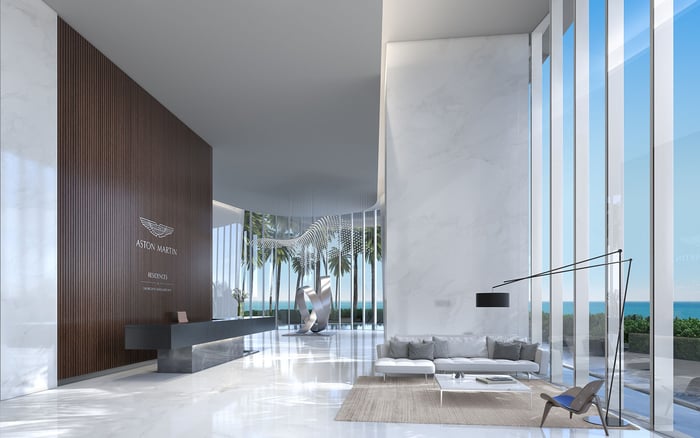
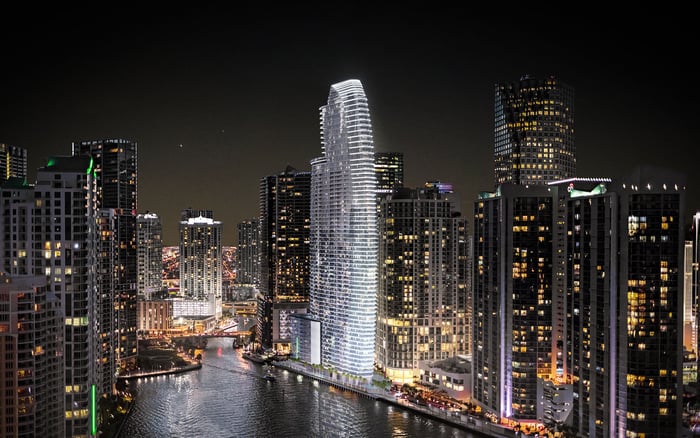
This is why projects such as Aston Martin Residences Downtown Miami attract attention within the Downtown conversation. The name is part of the appeal, but the deeper evaluation should be operational: how the building experience will feel after the first season of ownership.
Downtown and Brickell often sit in the same buyer conversation, but they do not always serve the same emotional purpose. Downtown can feel civic, cultural, and skyline-driven. Brickell can feel more business-oriented, residentially dense, and internationally familiar. A European buyer may prefer one over the other, yet the decision should begin with lifestyle logistics rather than postcard impressions.
A buyer considering Waldorf Astoria Residences Downtown Miami may be thinking about vertical presence, long-term identity, and the experience of arriving into the city. A buyer considering The Residences at 1428 Brickell may be weighing a more Brickell-centered daily pattern. In both cases, the essential question is the same: does the building support an owner who may be on another continent for much of the year?
The answer depends on details that are easy to overlook. The best fit may not be the largest residence or the highest floor. It may be the building whose systems make ownership simple, whose team communicates clearly, and whose culture suits a buyer who expects discretion rather than performance.
European buyers often have a strong sensitivity to proportion, materials, light, privacy, and architectural coherence. Those instincts are valuable in Miami, where the visual field can be intense. Yet even the most elegant residence can disappoint if the building is operationally inconsistent.
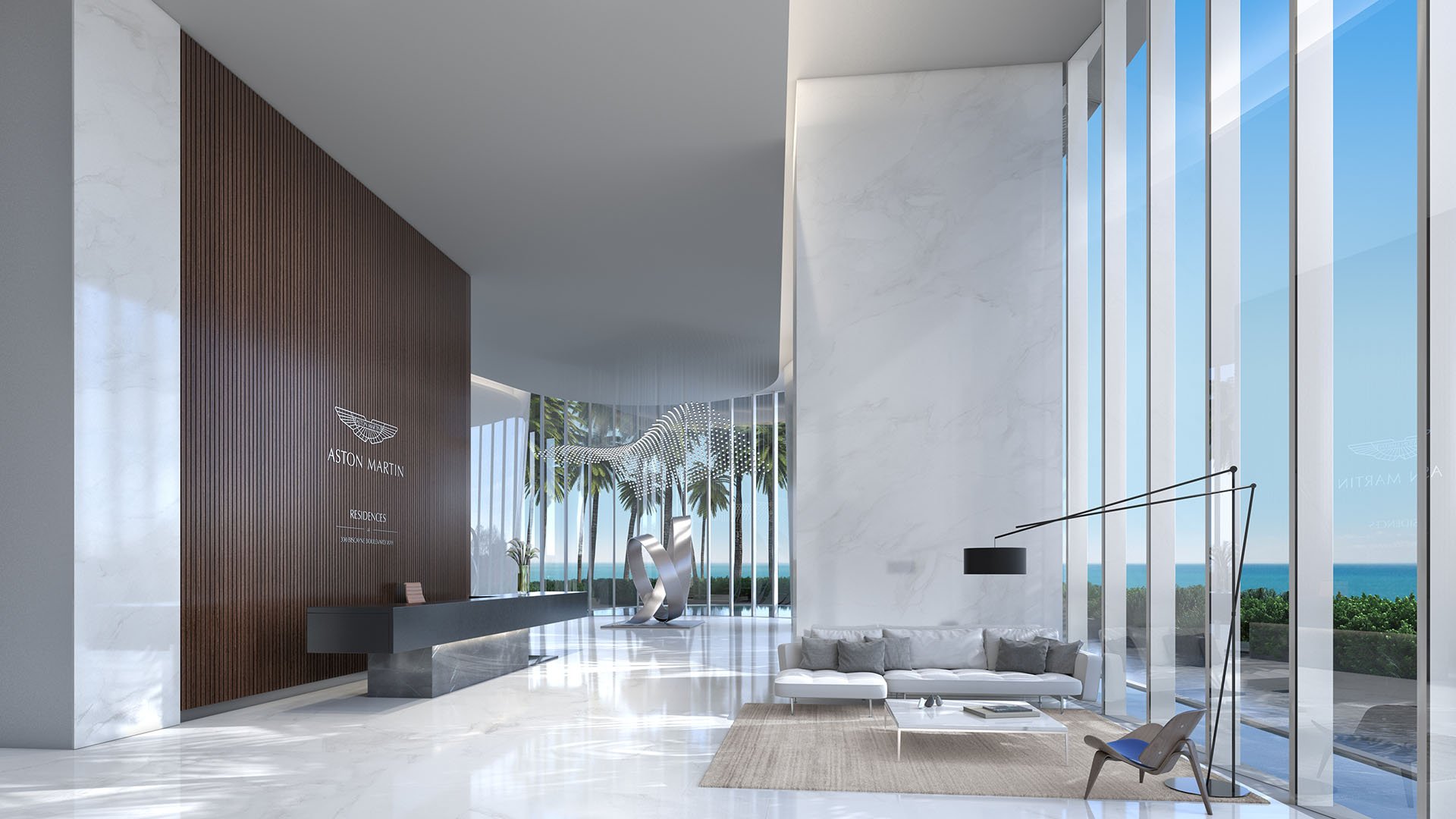
A graceful lobby matters. So does the way a visitor is received. A dramatic pool deck matters. So does whether access is controlled and predictable. A refined interior package matters. So does whether repairs, deliveries, and seasonal preparation are managed with minimal disturbance.
This is especially relevant for buyers evaluating branded or design-led residences. Casa Bella by B&B Italia Downtown Miami may enter the conversation through design recognition and Downtown positioning, while St. Regis® Residences Brickell may appeal to buyers who respond to a service-oriented residential identity. The important step is to move beyond the name and test the ownership experience in practical terms.
For a European buyer, the strongest Downtown Miami shortlist should be filtered through an operations checklist. The residence should be easy to prepare before arrival. The building team should understand privacy. Communication should be direct and documented. Rules should be clear. Vendor access should be controlled. The association culture should feel stable. The amenity experience should be usable, not merely photogenic.
It is also wise to think about the exit as early as the entry. A residence that is easier to own from abroad may also be easier to present to a future buyer with the same global lifestyle. Operational quality is not always captured in a rendering, but it can influence long-term satisfaction in a very real way.
Downtown Miami can work beautifully for European buyers when the building is chosen with discipline. The right purchase is not only about skyline, brand, or square footage. It is about whether the residence remains composed when life is happening elsewhere.
Why can Downtown Miami work for European buyers? Downtown Miami can work when the building supports absentee ownership, clear communication, secure access, and efficient service coordination.
What should European buyers prioritize first? They should prioritize building operations before decorative finishes. The daily management of the property will shape the ownership experience.
Is Brickell a better fit than Downtown? Brickell may suit some buyers, while Downtown may suit others. The better fit depends on lifestyle, privacy expectations, and service needs.
Why does building staff quality matter so much? Staff quality matters because overseas owners rely on the building team when they are not in Miami. Responsiveness and discretion are essential.
Should buyers focus only on branded residences? No. A respected name can be appealing, but the buyer should still evaluate rules, communication, staffing, and long-term operational culture.
Is new construction always easier for foreign owners? Not always. New construction can be attractive, but buyers should understand how the building plans to operate after residents move in.
What makes a residence easier to own from Europe? Clear protocols for vendors, guests, maintenance, deliveries, and arrival preparation make ownership smoother from another continent.
Can Downtown Miami suit a second-home strategy? Yes, if the building can maintain the residence properly between visits and support a low-friction arrival experience.
How should buyers compare similar towers? They should compare service standards, association rules, communication practices, access control, and how naturally the building handles owner requests.
What is the main risk of choosing the wrong building? The main risk is operational friction: small issues becoming time-consuming because the owner is abroad and the building lacks clarity.
For a tailored shortlist and next-step guidance, connect with MILLION.
If branded residences are on your mind — as a home or as an allocation — we would be glad to share what we are seeing, privately.
Begin a quiet conversation