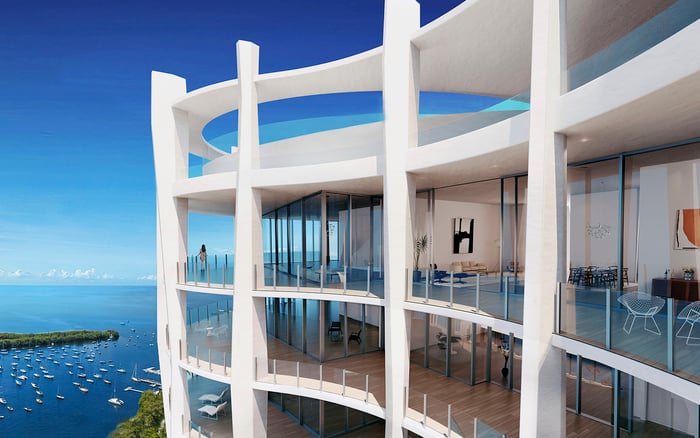
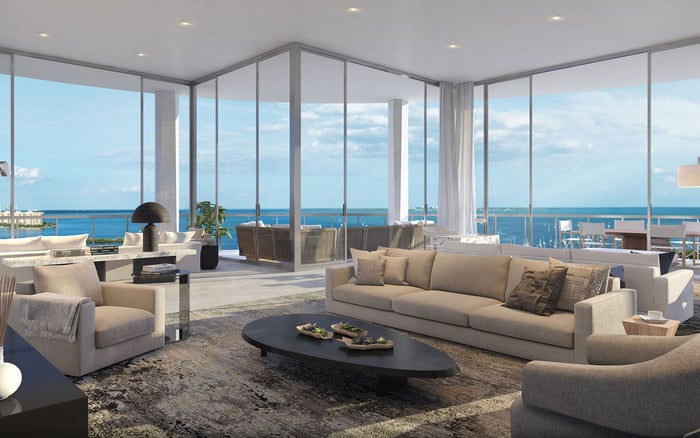
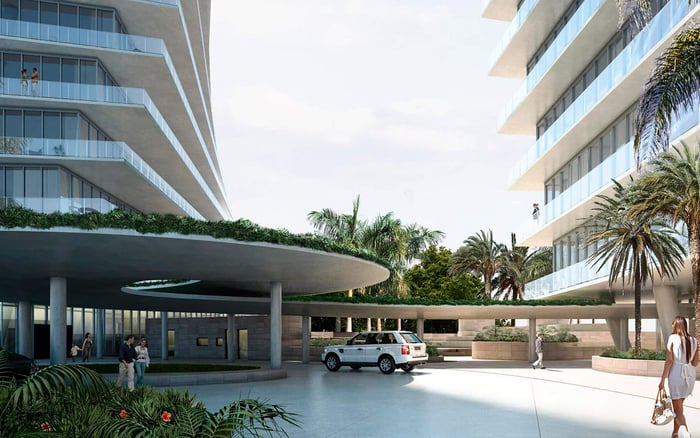
A discreet look at how family-office conference season can sharpen Grove Isle luxury-home priorities, from privacy and wellness to succession-minded second-home planning.
Family-office conference season has a way of making private wealth unusually practical. Over dinners, panels, and closed-door meetings, families compare notes on preservation, mobility, education, governance, health, art, philanthropy, and where the next generation actually wants to spend time. By season’s end, a luxury-home search that began as a lifestyle indulgence often becomes a sharper mandate.
In Grove Isle, that shift matters. The buyer is not simply asking whether a residence is beautiful. The more precise question is whether it can serve as a calm operating base for a family whose calendar, advisors, aircraft, guests, children, and legacy planning all require choreography. Grove Isle appeals because it sits in a category many ultra-high-net-worth buyers prize: close to Miami’s essential centers, yet emotionally removed from the city’s noise.
The conference circuit also compresses decision-making. A family may arrive in Miami thinking broadly about a second home and leave with a more disciplined framework: privacy first, wellness second, access third, and optionality always. That is where residences such as Vita at Grove Isle enter the conversation, not only as a property consideration but as a test of what the family truly values in South Florida.
The old trophy-home brief was often visible: a commanding view, a recognizable address, a dramatic arrival. Those desires have not disappeared, but family-office conversations tend to refine them. A principal may still want architectural presence, while the family office asks quieter questions. How often will the residence be used? Who has access? Can staff support be managed discreetly? Does the home encourage long stays, or only impressive weekends?
In that context, Grove Isle becomes less about display and more about governance. The right residence can support multigenerational routines without feeling institutional. It can host advisors without turning the home into an office. It can accommodate wellness, privacy, and family life while remaining close enough to business districts, cultural events, and private clubs.
Investment committee discipline also enters the room. The word investment should not strip a home of romance, but it does impose standards. Families increasingly evaluate whether a purchase aligns with liquidity preferences, concentration limits, carrying costs, and estate planning. The most sophisticated buyers can admire a view and still ask whether the residence fits the family balance sheet.
In many luxury markets, privacy is marketed as a feature. For family-office buyers, it is closer to infrastructure. The concern is not only who can see into a residence. It is how arrivals are handled, whether family members can live unobserved, how guests circulate, and whether the setting allows children and older relatives to relax without performance.
Grove Isle’s appeal is tied to that desire for separation. Buyers drawn to this setting are often comparing it with more public waterfront neighborhoods, more vertical urban addresses, and more resort-like coastal enclaves. They may love Miami’s energy, but they do not necessarily want that energy at the front door every morning.
This is also why nearby Coconut Grove residences remain part of the same mental map. Four Seasons Residences Coconut Grove may appeal to buyers who want branded service and a Grove setting, while Park Grove Coconut Grove can serve as a reference point for established waterfront living in the neighborhood. In internal search shorthand, some buyers may even label the area Coconut Grove, but the lifestyle question is more nuanced than a label: how private can daily life feel while remaining connected?
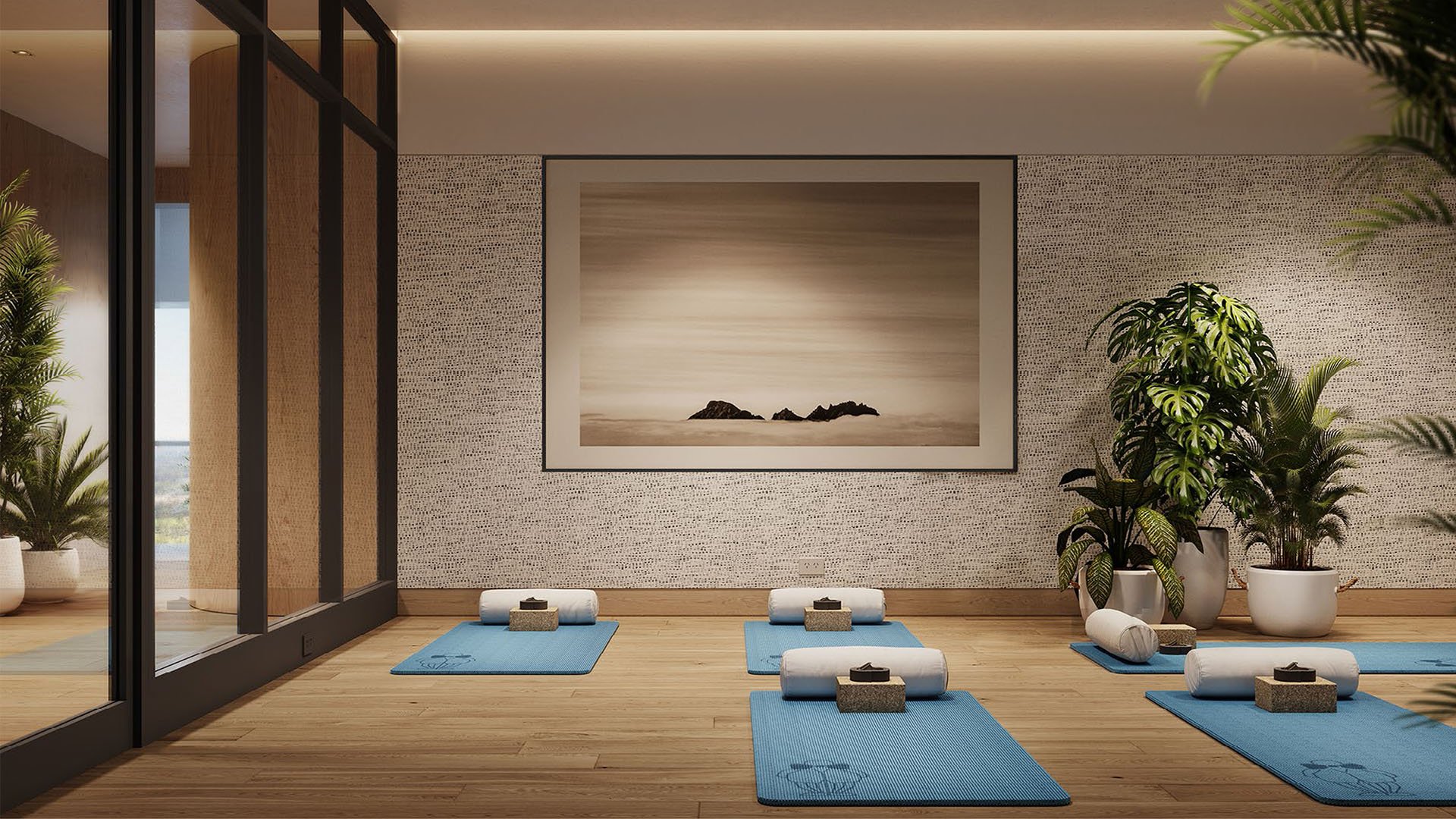
Conference season tends to surface the same realization across affluent families: health is not separate from wealth. It affects travel, productivity, longevity, schooling, family harmony, and the way a residence is used. A home that once needed a gym now needs a broader wellness logic.
For Grove Isle buyers, that may mean prioritizing natural light, outdoor space, water views, quiet bedrooms, spa-minded bathrooms, room for personal training, and layouts that make recovery feel effortless. It may also mean evaluating air quality, acoustic calm, circulation, and the ability to host wellness practitioners without disrupting the household.
The wellness conversation also changes how families compare neighboring projects. The Well Coconut Grove is relevant not merely because of its name, but because it reflects broader buyer demand for residences that integrate health into daily living. For Grove Isle, the lesson is clear: the home should not simply provide a place to rest after a demanding schedule. It should actively reduce friction.
Family offices often discover during conference season that the next generation has stronger residential opinions than expected. Younger family members may prioritize walkability, fitness, dining, design, sustainability, and proximity to peers. Parents may prioritize privacy, security, schools, and ease of management. Grandparents may want comfort, quiet, and a sense of continuity.
The best Grove Isle brief reconciles these preferences rather than allowing one generation to dominate. A residence that feels serene to the principal but isolated to adult children may underperform as a family asset. Conversely, a home that is socially convenient but too exposed may fail the privacy test.
Private-school considerations can also influence the search, even when families do not discuss them publicly. The issue is less about a single institution and more about time. Shorter, calmer routines make a home more usable. A residence that supports school-year logistics, holiday stays, and visiting relatives has a different value proposition from one used only between flights.
Ultra-luxury buyers often focus on finishes during first tours, but family offices quickly turn to operations. Who manages the residence when the family is abroad? How are vendors vetted? Can private chefs, drivers, trainers, assistants, and security personnel function without disturbing the household? Are guest stays elegant from the family’s perspective and manageable from the staff’s perspective?
This is where the Grove Isle decision becomes highly personal. Some families want a building or community where service is embedded and consistent. Others want more control and less visibility. Neither preference is inherently better, but the wrong match can make even an exquisite residence feel burdensome.
The same operational lens applies when buyers compare Grove Isle with other Coconut Grove addresses. The Lincoln Coconut Grove may attract a buyer studying newer residential options in the neighborhood, while Grove Isle may appeal to those who want a more insulated waterfront rhythm. The priority is not simply what looks luxurious. It is what functions gracefully when the family is actually in residence.
One subtle effect of conference season is that families hear many competing arguments. Buy now. Wait. Diversify. Consolidate. Move closer to the water. Stay closer to the office. Choose branded service. Choose privacy. The result can be indecision disguised as sophistication.
For Grove Isle, the useful approach is to separate optionality from restlessness. Optionality means choosing a residence that can adapt as the family changes. It can host adult children today and grandchildren later. It can be used seasonally now and more permanently in the future. It can support quiet living, entertaining, remote work, and restorative retreat without requiring a new purchase each time the family enters a new phase.
Restlessness, by contrast, is a sign that the brief is not yet resolved. If every tour feels compelling for a different reason, the family office may need to return to first principles: privacy, access, wellness, governance, and long-term use.
Before stepping into a sales gallery or private showing, a family should answer several questions internally. Who is the primary user of the residence? Is this a seasonal base, a legacy hold, or a flexible Miami foothold? How important is entertaining? How visible does the family want to be? How much service is desirable? How much autonomy is non-negotiable?
The answers will shape everything from floor plan preferences to parking, storage, guest accommodations, terrace use, staff access, and technology. They will also determine whether Grove Isle should be compared primarily with Coconut Grove, Brickell, Miami Beach, Coral Gables, or private-island alternatives.
The most successful buyers do not chase every new offering. They use conference-season insight to create a disciplined brief, then move quietly when the right residence aligns.
Why does family-office conference season influence Grove Isle searches? It brings wealth planning, lifestyle, succession, and risk conversations into one concentrated period, often sharpening what a family wants from a Miami residence.
Is Grove Isle best understood as a primary-home or second-home market? It can function as either, but many buyers evaluate it through a flexible second-home lens that may evolve into longer seasonal use.
What is the first priority for family-office buyers in Grove Isle? Privacy is usually the starting point, followed closely by wellness, access, service, and long-term family usability.
How should buyers compare Grove Isle with Coconut Grove? Grove Isle may feel more removed, while broader Coconut Grove options can offer different balances of neighborhood energy, service, and access.
Do family offices view luxury homes as investments? Yes, but the analysis is broader than resale. It includes liquidity, use, governance, carrying costs, and fit within the family’s overall holdings.
Why is wellness so important in this segment? Families increasingly see health, recovery, sleep, and calm as essential to the value of a residence, not decorative extras.
Should the next generation be involved in the search? Yes. A home used across generations should reflect how younger family members actually live, gather, work, and spend time in Miami.
How important is staff planning in a Grove Isle purchase? Very important. The residence should support vendors, household staff, guests, and security with minimal disruption to daily life.
Can branded residences compete with Grove Isle privacy? They can, depending on the family’s priorities. Some buyers prefer embedded service, while others prefer a more discreet residential rhythm.
What should a buyer do after conference season clarifies priorities? Convert the discussion into a written brief, align advisors, and tour only properties that match the family’s privacy, wellness, and use requirements.
If you'd like a private walkthrough and a curated shortlist, connect with MILLION.
If branded residences are on your mind — as a home or as an allocation — we would be glad to share what we are seeing, privately.
Begin a quiet conversation