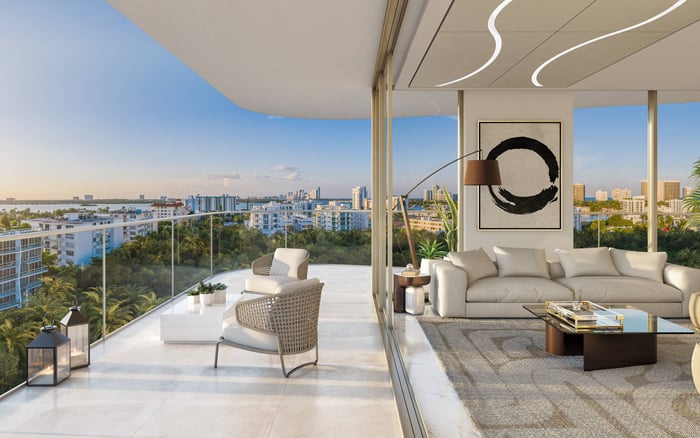
In Bay Harbor Islands, the most consequential family amenities are often operational. Pet restrictions, elevator procedures, and parking rules can shape daily life more than a polished amenity deck.
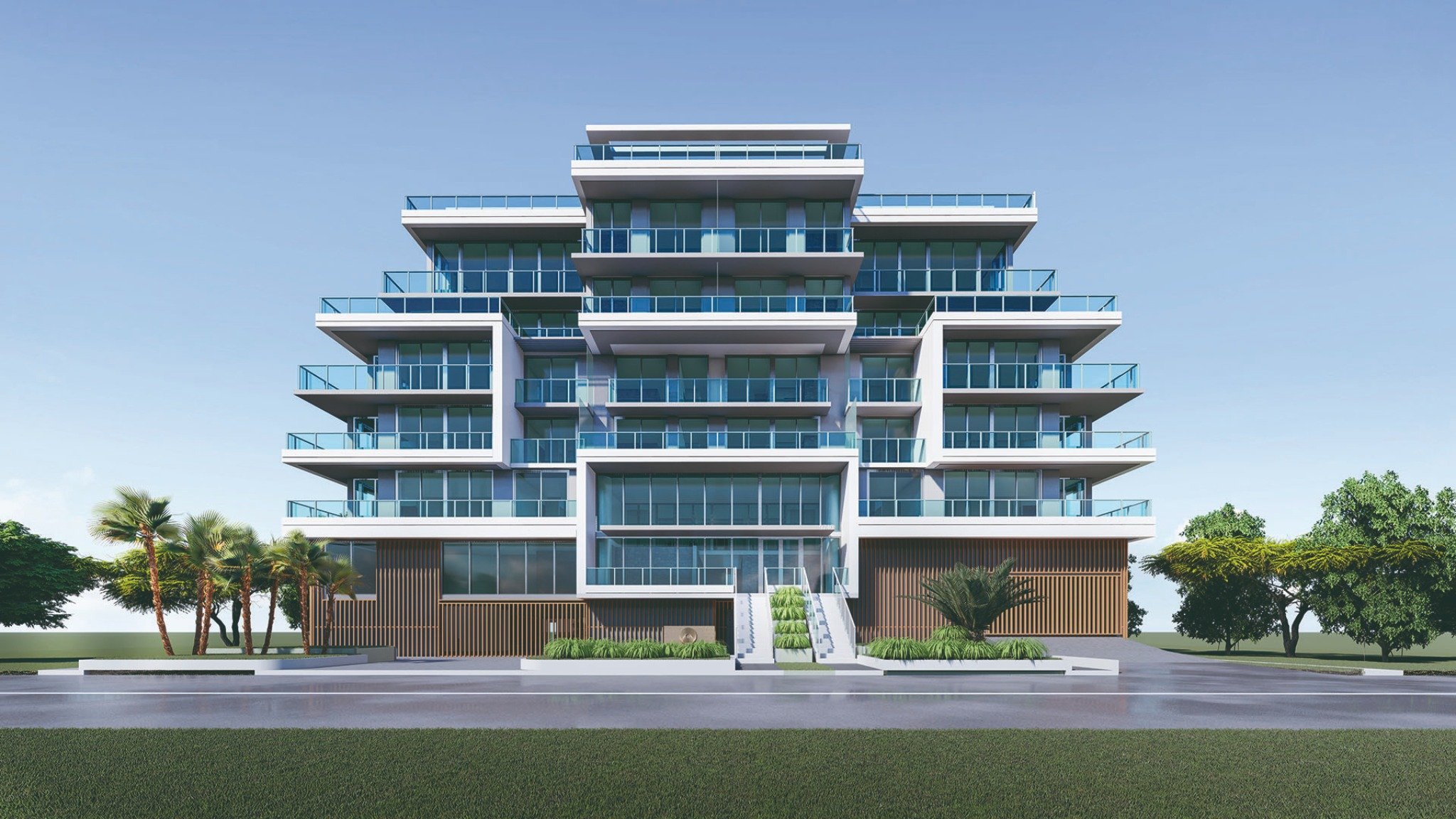
For family buyers, the quality of daily life in Bay Harbor Islands can depend on operational details such as pet restrictions, elevator procedures, and parking arrangements. These considerations can affect school-day departures, grocery deliveries, pet care, and visits from relatives.
A disciplined condominium search should therefore evaluate building rules with the same care applied to floor plans, finishes, and views. Written policies and an in-person review of everyday routes can reveal practical limitations that are not apparent in marketing materials.
“Pets allowed” is not a complete policy. Families should confirm permitted species, number, weight, and breed, along with registration requirements and rules for elevators, lobbies, and landscaped areas.
The review should also cover visiting animals, pet sitters, and any distinction between rules for owners and tenants. Buyers comparing Alana Bay Harbor Islands with other residences should request the current governing language rather than rely on a broad label or verbal assurance.
A service elevator can influence how residents move strollers, bicycles, pets, luggage, groceries, and large deliveries. Families should ask whether any of these must use a designated elevator, whether reservations are required, and whether protective padding, deposits, or restricted hours apply.
The practical test is the complete route. Walk from the garage or lobby to the residence while noting door widths, turns, ramps, and access controls. Consider the alternative route if a designated elevator is unavailable.
When viewing Onda Bay Harbor and Origin Bay Harbor Islands, ask management for written elevator, loading, and delivery procedures. The response should help a family understand ordinary weekday logistics as well as move-in arrangements.
Start by determining what parking rights accompany the residence. Buyers should verify whether each space is deeded, assigned, licensed, or dependent on valet operations, then ask about the availability and cost of additional parking.
Guest parking requires a separate review. Confirm how visitors register, whether overnight stays follow different procedures, and whether time limits, valet hours, or towing rules apply. Families considering The Well Bay Harbor Islands should test arrival logistics in person, particularly when children, equipment, or multiple vehicles are involved.
Family-oriented amenities are most useful when their operating details suit the household. At La Baia North Bay Harbor Islands, as with any condominium under consideration, buyers can examine access controls, sightlines, barriers, and the route between the residence and shared spaces.
The same approach applies to pools, waterfront areas, and balconies. Families with young children should inspect physical safeguards and ask who may enter each area, during which hours, and under what supervision requirements.
Request the current declaration, rules, board resolutions, and management procedures before relying on marketing language. During due diligence, review the provisions concerning pets, parking, elevators, loading, deliveries, and guests.
Then compare the written rules with lived logistics. Visit at a relevant time, observe garage circulation and elevator access, and walk the routes a child, caregiver, pet sitter, or visiting relative would use. For a family buyer, operational clarity can be as important as the residence itself.
Does “pets allowed” mean every pet is acceptable? No. A building may impose separate limits involving species, size, breed, number, registration, or common-area access.
Can owners and tenants face different pet rules? They may. Buyers who might lease their residence should review provisions that apply to both owners and tenants.
What should families ask about service elevators? Ask which items or activities require them, whether reservations are necessary, and whether deposits, padding, or restricted hours apply.
Why should families walk the route to the residence? The route can reveal tight turns, narrow doors, ramps, access controls, or other practical issues that affect everyday movement.
How should buyers verify parking rights? Review the governing documents and purchase terms to determine whether spaces are deeded, assigned, licensed, or valet-dependent.
What should buyers confirm about additional parking? Ask whether extra spaces are available, what they cost, and whether access depends on changing building procedures.
What matters when evaluating guest parking? Confirm registration, availability, time limits, overnight procedures, valet hours, and towing rules.
How can families evaluate shared amenities? Inspect barriers, access controls, sightlines, operating hours, supervision requirements, and the route from the residence.
Which documents deserve close review? Examine the current declaration, rules, board resolutions, and written management procedures relevant to daily family logistics.
Why visit beyond the initial property tour? A follow-up visit can help buyers observe garage circulation, elevator access, and the way residents and guests move through the building.
When you're ready to tour or underwrite the options, connect with MILLION.
If branded residences are on your mind — as a home or as an allocation — we would be glad to share what we are seeing, privately.
Begin a quiet conversation