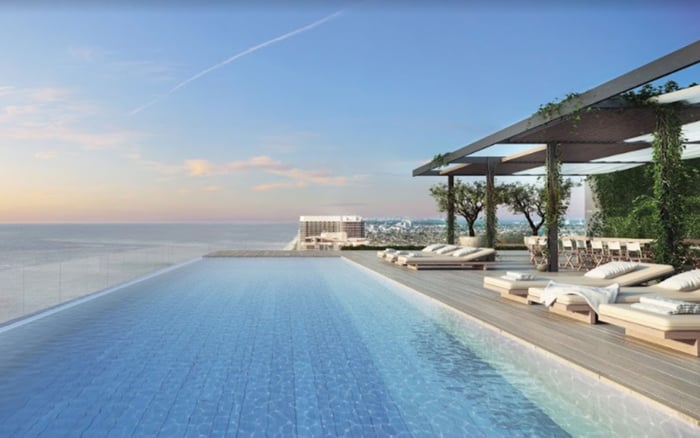
A lender-aware ranking of Bal Harbour residences, led by Rivage, St. Regis and Ritz-Carlton, with a practical framework for evaluating documentation, collateral evidence and condo-hotel restrictions.
In Bal Harbour, the most compelling residence does not always offer the simplest path to leverage. Portfolio lenders look beyond architecture, service and ocean views, assessing the condominium, association, building operating structure and quality of available documentation. For buyers preserving liquidity across a broader real-estate or securities portfolio, those distinctions can shape timing, proceeds and underwriting conditions.
This ranking weighs disclosed institutional financing, established building history, observable resale inventory and the practical availability of lender-facing information. It does not suggest that any project or individual unit is automatically financeable. Approval remains specific to the borrower, collateral, association and lender.
The phrase Branded Residences is used carefully here. Rivage, St. Regis and Ritz-Carlton have the clearest hospitality or luxury-brand associations in the reviewed group. Oceana and the broader completed oceanfront market are included as institutional-grade alternatives with collateral evidence that may be useful to a portfolio lender.
1. Rivage Residences Bal Harbour: 10245 Collins Avenue
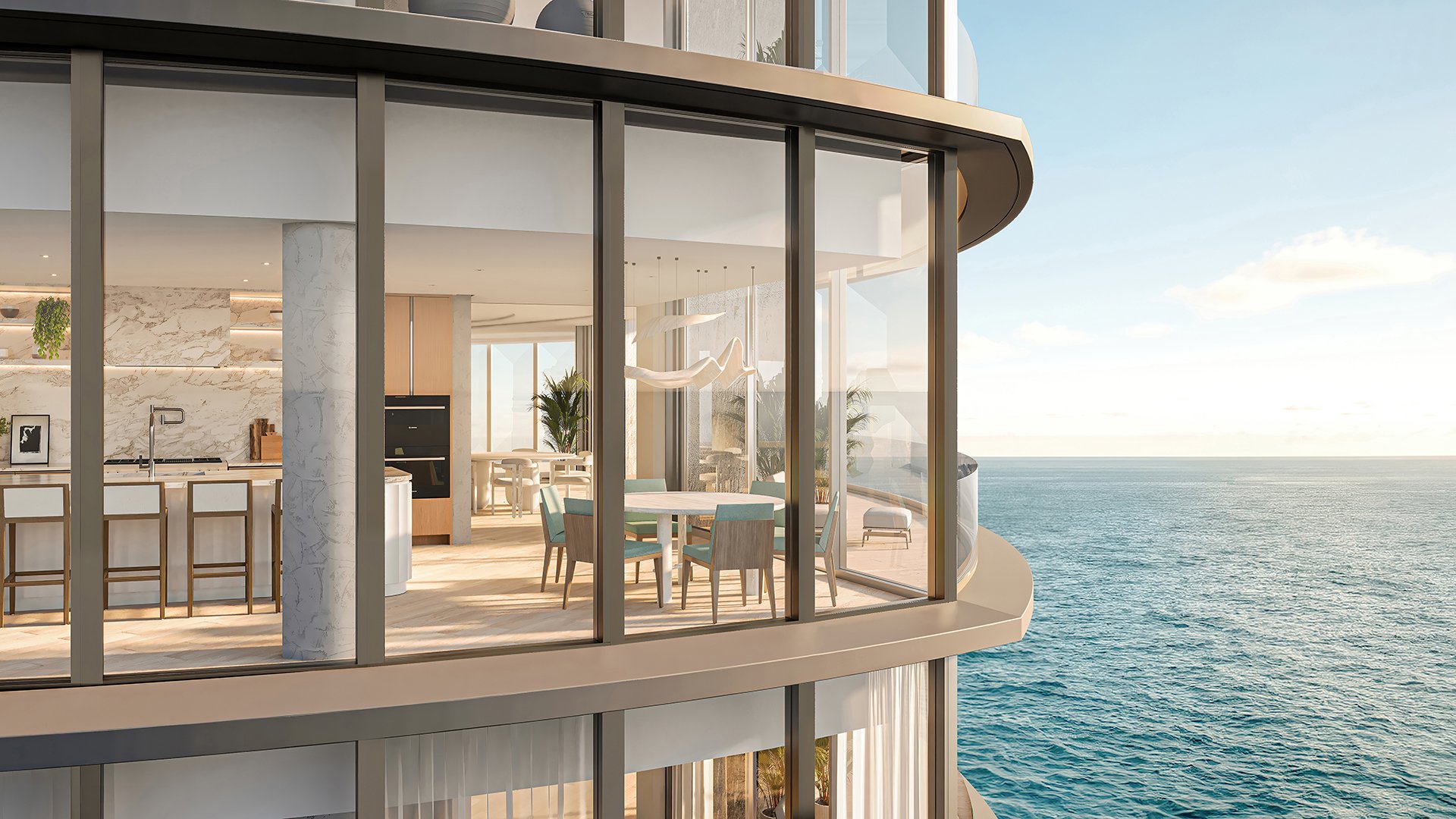
Rivage ranks first because its sponsors secured $424 million in construction financing from TYKO Capital, the strongest recent project-level signal of institutional underwriting in this group. The tower is under construction, with delivery advertised for 2027, and is described as an ultra-luxury collection of sky villas.
Its published deposit schedule calls for 20% at contract, 10% at groundbreaking, 10% at top-off and 60% at closing. Residences span approximately $6 million to more than $40 million, with two to five bedrooms and roughly 2,500 to more than 7,000 square feet. Published unit counts vary between 56 and 61, so current offering documents should govern any analysis.
2. St. Regis Bal Harbour Resort & Residences: 9703 Collins Avenue
The established three-tower, five-star oceanfront complex ranks second. A refinancing involved Fortress Investment Group assuming $188 million of existing debt and arranging $70 million in new financing, evidence of meaningful institutional engagement with the property.
For an individual acquisition, however, the branded hotel context requires focused review. A lender may examine rental programs, transient occupancy, owner-use provisions and management agreements alongside conventional condominium materials.
3. Ritz-Carlton Bal Harbour: 10295 Collins Avenue
Ritz-Carlton ranks third as a mature branded condo-hotel with established inventory. Building-level characteristics, active listings and resale history give an underwriter more observable material for collateral comparison than an uncompleted project without closed-sale records.
That maturity does not eliminate hotel-related underwriting questions. Buyers should establish whether the proposed unit participates in a rental program and whether its use limitations align with the selected lender's condominium and second-home criteria.
4. Oceana Bal Harbour: 10201 Collins Avenue
Oceana is a completed, non-hotel-branded condominium on the former Bal Harbour Club site. Its floor-through residences offer Atlantic, Biscayne Bay and city views, while its established resale presence provides tangible collateral and comparison data.
The absence of a hotel brand makes this an adjacent rather than literal branded-residence choice. Even so, a conventional residential operating profile may warrant attention from buyers who prioritize documentation clarity over hospitality programming.
5. Bal Harbour oceanfront condominium stock: Collins Avenue
The fifth position recognizes the broader completed oceanfront market rather than a single project. Established buildings across Bal Harbour Village offer visible inventory, pricing indicators and building histories that can support preliminary lender diligence and appraisal context.
This category suits buyers willing to compare several associations rather than begin with a brand. Its strength lies in the breadth of evidence, not uniform approval: budgets, reserves, insurance, litigation and structural records must still be assessed building by building.
The $424 million facility behind Rivage Bal Harbour matters because it reflects substantial project capitalization. It is not a promise that a lender will finance a specific residence. Construction lending evaluates a development and its sponsors; a buyer's portfolio loan evaluates the borrower, unit, condominium regime and proposed terms.
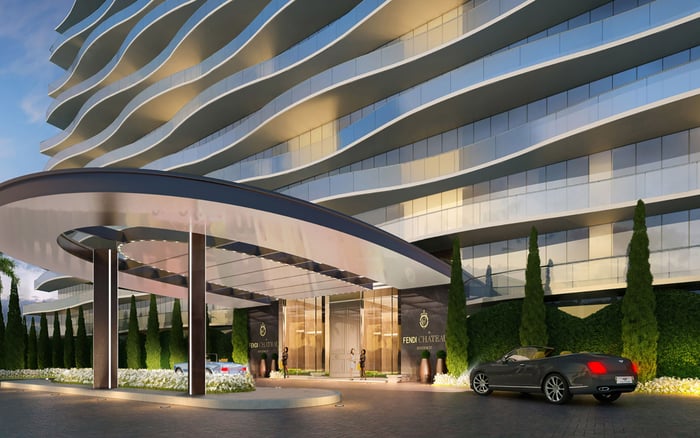
A completed property such as Oceana Bal Harbour presents a different advantage: operating history and resale evidence. In nearby Surfside, The Surf Club Four Seasons Surfside offers another point of reference for buyers weighing the relationship between hospitality branding and residential ownership. Fendi Château Residences Surfside and Arte Surfside further illustrate how boutique scale and design identity can shape a buyer's comparison set, though every association requires its own underwriting review.
Before seeking a term sheet, assemble the current condominium declaration, association budget, reserve information, insurance documents, structural reports and litigation disclosures. For a hotel-associated residence, add the management agreement, rental-program documents and every provision governing owner occupancy or transient use.
The most lender-friendly presentation is coherent and current. Confirm that the legal name and unit description match the purchase contract, flag amendments early and do not assume that a prior financed sale establishes present eligibility. In MILLION Buyer's Guides, documentation readiness is best treated as part of the negotiation strategy, not as a closing-stage formality.
For pre-construction, align funding needs with every deposit milestone and the projected closing balance. For resale, ask the lender to review the building early enough to identify conditions before financing and inspection deadlines. Sophisticated portfolio financing rewards preparation, but remains individualized.
Does project construction financing mean my unit will qualify for a loan? No. Project financing and an individual buyer's mortgage or portfolio facility involve different collateral, documentation and underwriting standards.
Why does Rivage rank first? Its sponsors secured a $424 million construction facility, providing the strongest disclosed institutional-capital signal among the reviewed choices.
When is Rivage advertised for delivery? Delivery is advertised for 2027, subject to the controlling contract and current developer documents.
What is Rivage's published payment schedule? It calls for 20% at contract, 10% at groundbreaking, 10% at top-off and 60% at closing.
Why can a mature resale building help underwriting? Established listings, building history and closed-sale context can give lenders and appraisers more observable comparison material.
Are condo-hotel residences financed like conventional condominiums? Not always. Rental programs, transient occupancy and owner-use restrictions can trigger different lender standards.
Which association documents should a buyer request? Request the declaration, budget, reserves, insurance, structural records, litigation disclosures and relevant amendments.
Why verify Rivage's current offering documents? Available descriptions differ on the final residence count, citing 56 or 61, so current documents should govern.
Is Oceana a hotel-branded residence? No. It is included as a completed, institutional-grade oceanfront alternative with floor-through residences and an established resale presence.
Does a prior financed sale guarantee approval today? No. Lender policy, borrower strength, unit characteristics and association documentation can change the outcome.
For a tailored shortlist and next-step guidance, connect with MILLION.
If branded residences are on your mind — as a home or as an allocation — we would be glad to share what we are seeing, privately.
Begin a quiet conversation