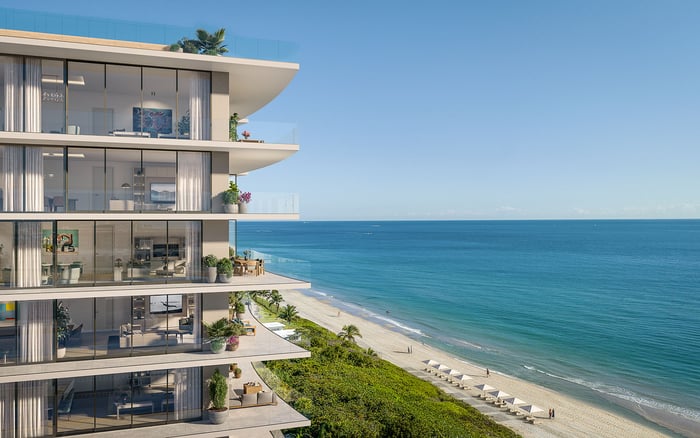
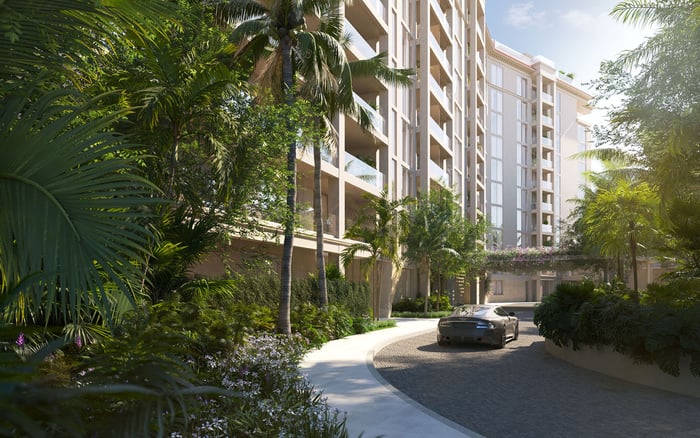
A document-led closing guide for evaluating corrosion controls, balcony assemblies, water-intrusion safeguards, window warranties, reserves, and post-storm procedures in Hillsboro Beach.
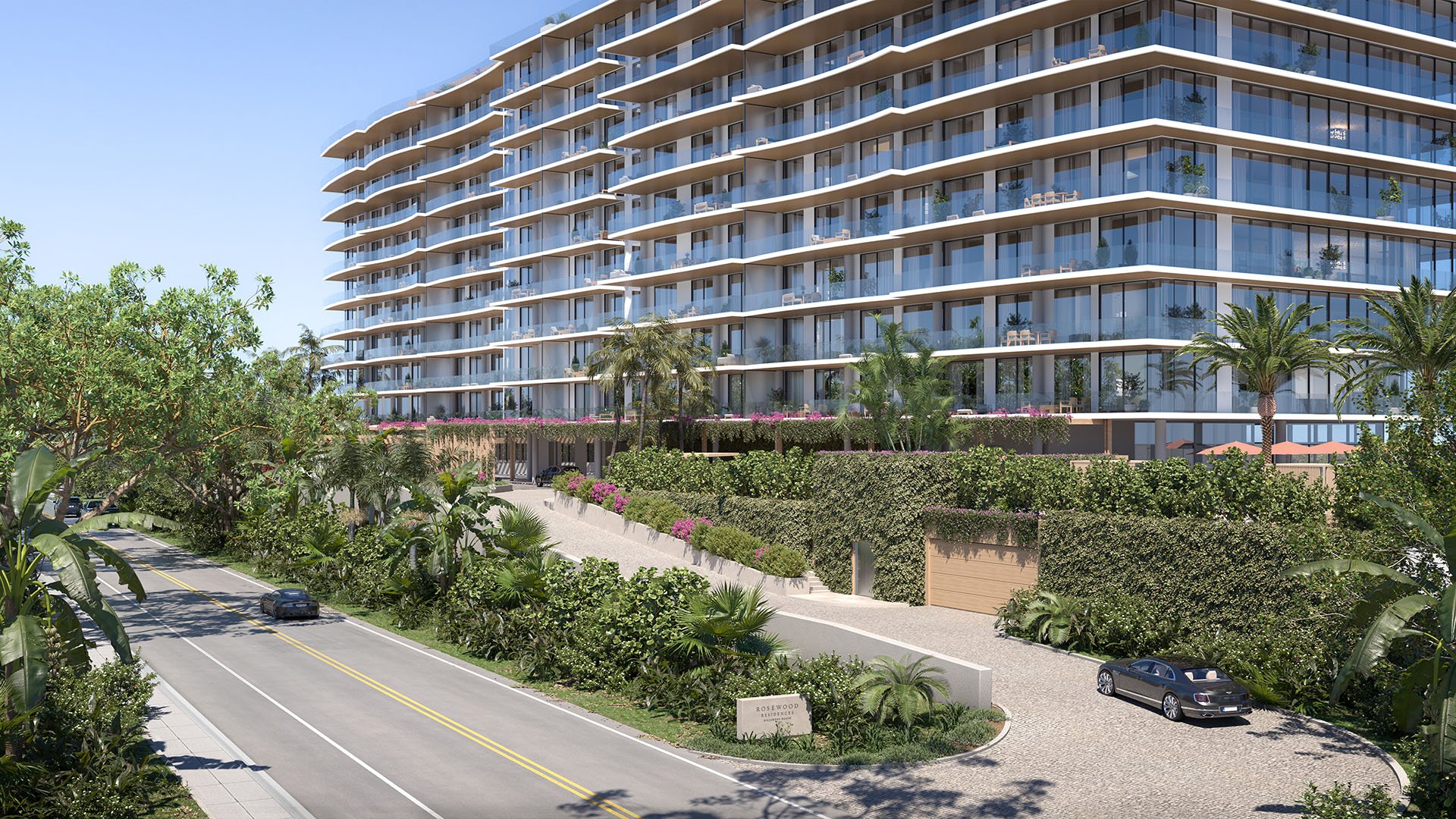
A boutique condominium closing in Hillsboro Beach should include a focused review of the building envelope and the documents governing its care. Ask for records addressing exterior glazing, balcony surfaces, railings, drains, sealants, exposed hardware, mechanical equipment, water intrusion, and post-storm inspections.
When reviewing Rosewood Residences Hillsboro Beach, use written specifications, warranties, contracts, inspection records, and condominium documents rather than relying on verbal assurances. The goal is to understand the condition of relevant components, the maintenance plan, and the party responsible for each obligation.
Request the declaration, maintenance matrix, budget, reserve materials, applicable warranties, and relevant vendor contracts. Read them together to identify whether the association or unit owner is responsible for windows, exterior doors, railings, balcony finishes, waterproofing, drains, sealants, and HVAC components.
Ask whether a written corrosion-control plan exists and which components it covers. Request its inspection schedule, cleaning instructions, recordkeeping requirements, approved materials, responsible vendors, and procedures for correcting observed deterioration.
The same document sequence can guide a comparison with Armani Casa Residences Pompano Beach and Ocean 580 Pompano Beach. Compare the actual allocation of duties and available records rather than assuming that coastal condominiums follow identical practices.
Ask for the balcony waterproofing specifications, manufacturer information, installation details, warranty, permits, inspection records, and repair history. The documents should allow the buyer’s advisers to evaluate the membrane, finished surface, drainage route, transitions, edges, thresholds, flashing, railings, fasteners, and penetrations as connected elements.
Request drawings or field records showing the intended drainage design and the locations of drains or scuppers. Ask whether testing occurred before finishes were installed, whether deficiencies were documented, and whether corrective work was completed and signed off.
Also establish who clears drainage components, who inspects sealants and transitions, how often those tasks occur under the governing documents or warranties, and where completed work is recorded. If visible staining, cracking, coating failure, corrosion, or moisture is present, ask an appropriately qualified Florida professional whether additional investigation is warranted.
Request available reports concerning leaks, moisture observations, balcony repairs, window or door repairs, sealant replacement, and claims affecting the unit or nearby building areas. Review whether records identify the reported location, investigation performed, corrective work, responsible party, and follow-up inspection.
Ask how the association receives and tracks water-intrusion reports. A buyer should also determine whether the closing file contains unresolved notices, pending work, owner obligations, or access requirements related to the residence.
Obtain the complete warranty and installation package for exterior windows and doors. Review the stated coverage, exclusions, claim procedure, transfer terms, maintenance instructions, and required proof of service. Do not assume that coverage for one part of a system extends to locks, rollers, hinges, operators, tracks, frames, finishes, glass, caulking, or perimeter sealants.
Ask for available product documentation, permits, installer information, inspection sign-offs, and repair records. Then compare every maintenance condition in the warranty with the condominium documents to determine who must perform the work and preserve the records.
Review whether the operating budget and vendor contracts correspond with the maintenance tasks described in the governing documents and warranties. Examine reserve materials for the components assigned to the association, while avoiding assumptions about timing, cost, or scope that are not supported by the condominium’s own records.
Request the written post-storm procedure, if one exists. Ask how exterior components are inspected, how drainage issues and moisture concerns are recorded, who authorizes urgent work, and how owners receive notice of findings affecting their residences.
Before the due-diligence period ends, organize unresolved questions by component, responsible party, supporting document, and required follow-up. Legal, engineering, insurance, and warranty questions should be directed to appropriately qualified Florida professionals.
Which documents should a buyer request first? Start with the declaration, maintenance matrix, budget, reserve materials, warranties, inspection records, repair history, and relevant vendor contracts.
Why is the maintenance matrix important? It can help identify whether the association or unit owner is assigned responsibility for a particular component or service.
What balcony records deserve review? Request waterproofing specifications, installation details, warranties, permits, inspection records, testing records, and documented repairs.
What should buyers ask about balcony drainage? Ask how water is intended to leave the balcony, who clears drainage components, and where inspections and completed work are recorded.
How should prior water intrusion be evaluated? Review the reported location, investigation, corrective work, responsible party, and any documented follow-up.
Does one window warranty necessarily cover every component? Coverage should be verified separately for glass, frames, finishes, hardware, moving parts, caulking, and perimeter sealants.
What warranty terms require particular attention? Review exclusions, maintenance instructions, claim procedures, transfer terms, service records, and proof requirements.
How can a buyer assess corrosion-control planning? Ask for the written plan, covered components, inspection schedule, cleaning instructions, vendor responsibilities, and completed service records.
What should be reviewed in a post-storm procedure? Look for assigned inspection duties, reporting methods, owner notices, authorization steps, and documentation of corrective work.
When should a specialist be consulted? Seek an appropriately qualified Florida professional when the records or observed conditions raise legal, engineering, insurance, or warranty questions.
For a tailored shortlist and next-step guidance, connect with MILLION.
If branded residences are on your mind — as a home or as an allocation — we would be glad to share what we are seeing, privately.
Begin a quiet conversation