A discreet buyer’s guide to evaluating Palm Beach Gardens luxury residences through the daily realities of living with multiple pets.
For households with multiple pets, a luxury residence is not simply a floor plan with a beautiful kitchen. It is a daily operating system. Palm Beach Gardens can be exceptionally appealing for buyers who want a calmer, more residential rhythm than dense urban living, but the pet experience still needs to be tested with the same rigor applied to structure, views, association finances and resale.
The mistake is assuming that a generous terrace, manicured grounds or a prestigious address automatically translates into ease with two dogs, three cats or a mixed household of older and younger animals. Pets change the way a residence functions. They affect elevator timing, door hardware, flooring, noise transfer, storage, staff routines, outdoor access, storm planning and even how often the owner actually uses the amenities.
Begin by treating pet compatibility as a primary acquisition criterion, not a lifestyle footnote. The right home should feel effortless on an ordinary Tuesday morning, after a heavy rain, during a dinner party and when a dog is recovering from a veterinary procedure.
Before a buyer becomes emotionally attached to a residence, the pet policy deserves a legal-level read. Weight limits, breed restrictions, total number of animals, registration rules, guest pet policies, elevator requirements and common-area protocols can all shape the experience. A building that is broadly pet-friendly may still be poorly suited to a household with multiple animals.
Ask for the actual governing documents, not a casual summary. Confirm whether the rules apply per unit, per owner, per animal type or by combined weight. Ask how policies are enforced in practice. A calm, specific answer from management can be as important as the written text.
This is especially important for buyers comparing a branded condominium lifestyle such as The Ritz-Carlton Residences® Palm Beach Gardens with a lower-density or single-family option. The condominium may offer service, security and lock-and-leave convenience, while a private home may provide more control over outdoor routines. Neither is automatically superior. The question is which format reduces friction for your specific animals.
A polished sales presentation rarely reveals what happens at 7 a.m. or 10 p.m. Buyers should physically walk the route from the front door to the nearest relief area, then do it again during peak elevator periods, after rain and at dusk. Time the journey. Notice flooring transitions, slippery surfaces, narrow corridors, automatic doors, landscaping, lighting and places where animals may encounter other pets unexpectedly.
For multiple dogs, the question is not whether the route is attractive. It is whether one person can manage it safely. Can a handler control two leashes while opening doors? Is there enough space to pause if another dog enters the corridor? Is the route discreet enough for older animals that move slowly or puppies still learning manners?
A dog park can be useful, but it should not be the entire pet strategy. Some animals thrive in shared play areas; others do better with quiet, predictable walks. The better test is whether the residence supports both social and private routines.
Multiple pets amplify the importance of acoustics. Buyers should listen from inside the residence with the doors closed, then from the corridor, elevator lobby and adjacent outdoor areas. Dogs responding to hallway footsteps, carts or neighboring doors may create stress for the owner, the animals and the community.
In a condominium, ask about service elevator access, move-in traffic, package delivery patterns and any designated pet paths. In a gated community, the questions shift toward lot adjacency, fence conditions, golf cart traffic, landscape crews and the behavior of neighboring animals. The setting may feel serene, but the daily stimuli still matter.
Cats deserve equal attention. Consider window exposures, terrace safety, screen quality, escape points, closet storage for food and litter, and whether housekeeping or maintenance visits could create accidental door risk. The most elegant residence can become inconvenient if it lacks a discreet, well-ventilated place for litter, supplies and cleaning equipment.
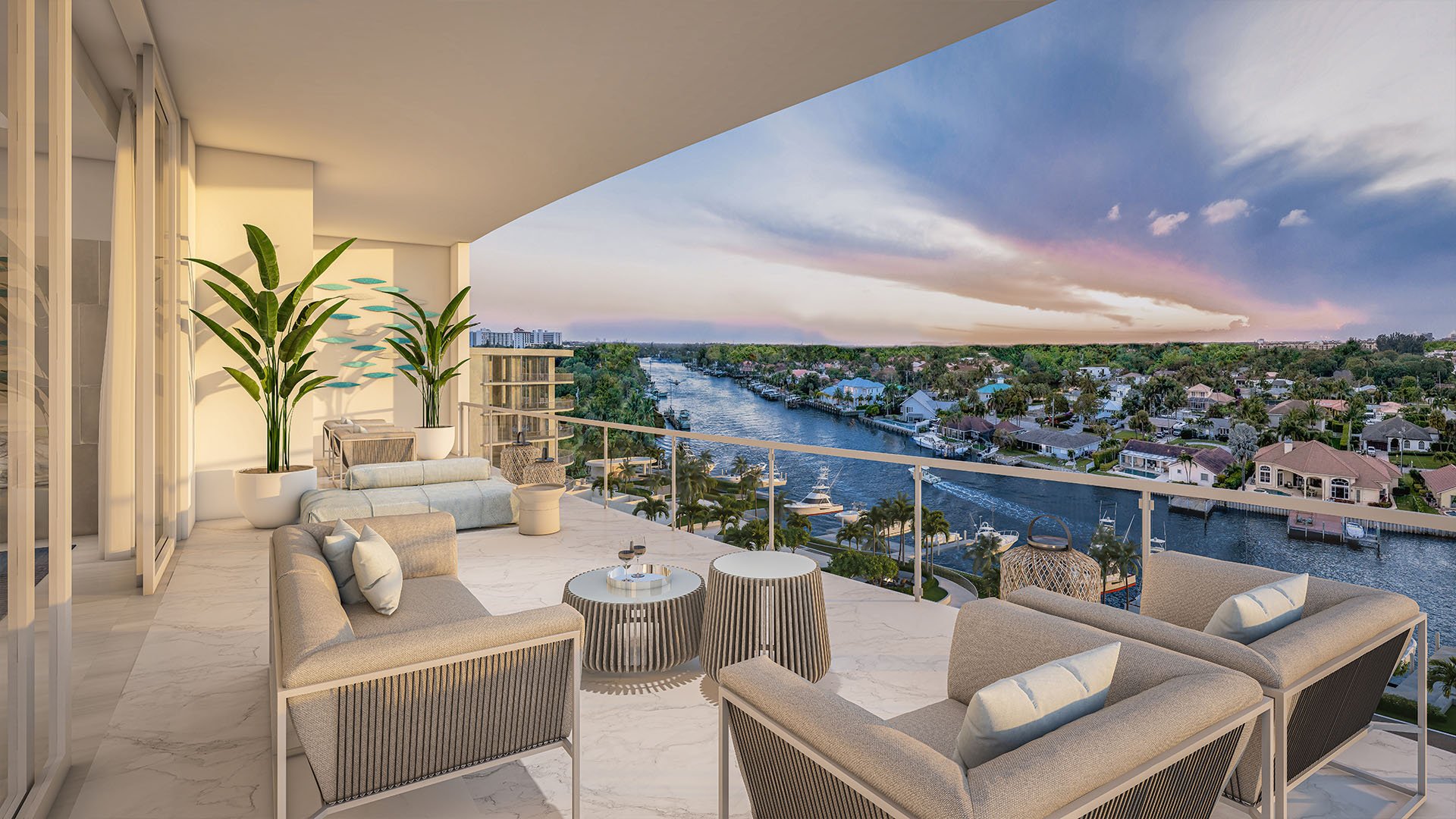
Terraces, yards and loggias photograph well, but pet owners need to know how they function. A terrace that is too hot, too exposed, too windy or too visible from neighboring residences may not be used as expected. A private yard without practical fencing or shade may become ornamental rather than essential.
Evaluate surface temperature, drainage, hose access, lighting, privacy, pest exposure and the ease of cleaning. If the residence has artificial turf, confirm maintenance expectations. If it has natural grass, understand irrigation, chemicals and access after landscaping visits.
Buyers considering broader Palm Beach area options may also compare the manicured condominium experience of Palm Beach Residences with the greater daily independence of single-family homes. A buyer with several large dogs may value a controlled yard more than another amenity. A buyer with smaller pets and frequent travel may prefer a serviced building where staff can coordinate access with precision.
Pet-friendly luxury does not mean compromising design. It means choosing materials that age gracefully under real use. Glossy floors, pale rugs, delicate wallcoverings and tightly planned furniture layouts may require a higher maintenance appetite when several animals are in the home.
During a showing, imagine the day after a beach walk, a rainstorm or a grooming appointment. Where do leashes, towels, crates, carriers, medication, food deliveries and cleaning products live? Is there a service entry or laundry zone that can function as a transition space? Can a pet sitter move through the residence without disturbing private areas?
This is where new and newly renovated residences can be compelling. At Alba West Palm Beach, buyers evaluating the West Palm Beach corridor can think carefully about how contemporary layouts, terraces and building services may support a lock-and-leave lifestyle. The same logic applies to Forté on Flagler West Palm Beach for buyers who want waterfront proximity while still testing the practical pet route with discipline.
A residence for multiple pets should be evaluated alongside the support ecosystem the owner actually uses. Consider proximity to grooming, veterinary care, boarding, day care, trainers, pet sitters and preferred walking routes. The best address is the one that reduces repetitive obligations, not the one that adds errands to an already full schedule.
If the home will be a seasonal residence, the plan must be even tighter. Who enters when the owner is away? Where are supplies stored? Can management coordinate access? How are pets handled during storms, building maintenance or owner travel days? Pets should be part of the estate-management conversation from the first negotiation, not introduced after closing.
For buyers comparing Palm Beach Gardens with Boca Raton, Fort Lauderdale or Miami, projects such as Alina Residences Boca Raton can serve as useful context for how refined residential environments handle privacy, amenity living and daily convenience. The point is not to chase a label. It is to identify the environment that best supports the household.
Before contract deadlines pass, buyers should request written confirmation of pet rules, review insurance implications, inspect fencing or balcony safety, confirm renovation permissions and understand any association approval process for animals. If future resale matters, consider how the home will read to the next luxury buyer with pets: effortless, limited or requiring explanation.
The strongest Palm Beach Gardens purchase is the one where pets are not merely allowed, but elegantly accommodated. When the pet experience is tested with discipline, the buyer protects lifestyle, asset quality and peace of mind.
Should I ask about pet rules before or after a showing? Ask before the showing if you have multiple animals. It prevents wasted time and keeps the search focused on viable residences.
Are luxury condos always harder for multiple pets? Not always. A well-managed condo can be excellent if the rules, elevator flow and walking routes match the household.
What is the most overlooked issue for pet owners? The route from the residence to the relief area. It must work during rain, peak hours and late-night walks.
Should I bring my pet to a second showing? If permitted, it can be useful for observing reactions to corridors, elevators, surfaces and outdoor areas.
How important is flooring? Very important. Durable, easy-to-clean flooring can preserve both the design quality and the owner’s daily comfort.
Is a private yard always better than a terrace? Not necessarily. A terrace may suit smaller pets, while larger or older dogs may need more controlled outdoor space.
What should cat owners inspect most carefully? Screens, terrace access, escape points, quiet storage areas and maintenance-entry routines deserve close attention.
Can pet rules affect resale? Yes. Clear, reasonable pet policies can broaden the future buyer pool, while restrictive rules may narrow it.
How should seasonal owners plan for pets? They should confirm sitter access, storage, storm procedures and management coordination before closing.
What is the best first step for a Palm Beach Gardens buyer with several pets? Build a written pet profile, then evaluate each residence against daily routines rather than amenities alone.
To compare the best-fit options with clarity, connect with MILLION.
If branded residences are on your mind — as a home or as an allocation — we would be glad to share what we are seeing, privately.
Begin a quiet conversation