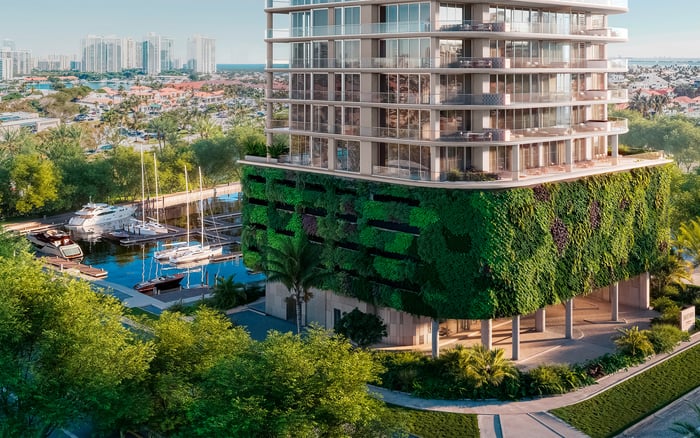
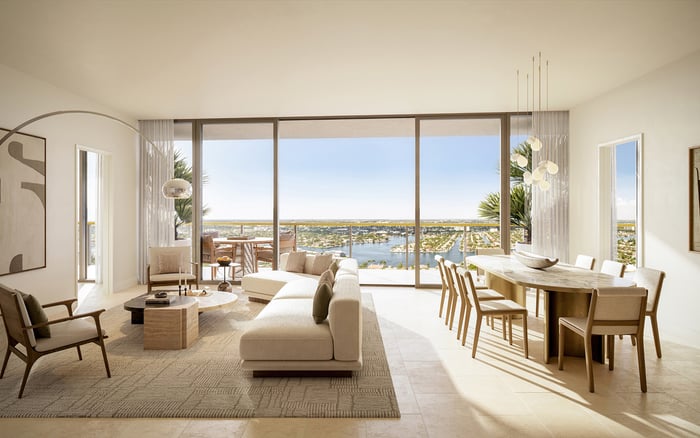
Guest parking is a quiet but consequential part of luxury living in Aventura. Before buying, sophisticated purchasers should review allocation, valet protocol, overnight permissions, enforcement, vendor access, EV readiness, and how parking policies perform during holidays, family visits, private dinners, and seasonal occupancy.
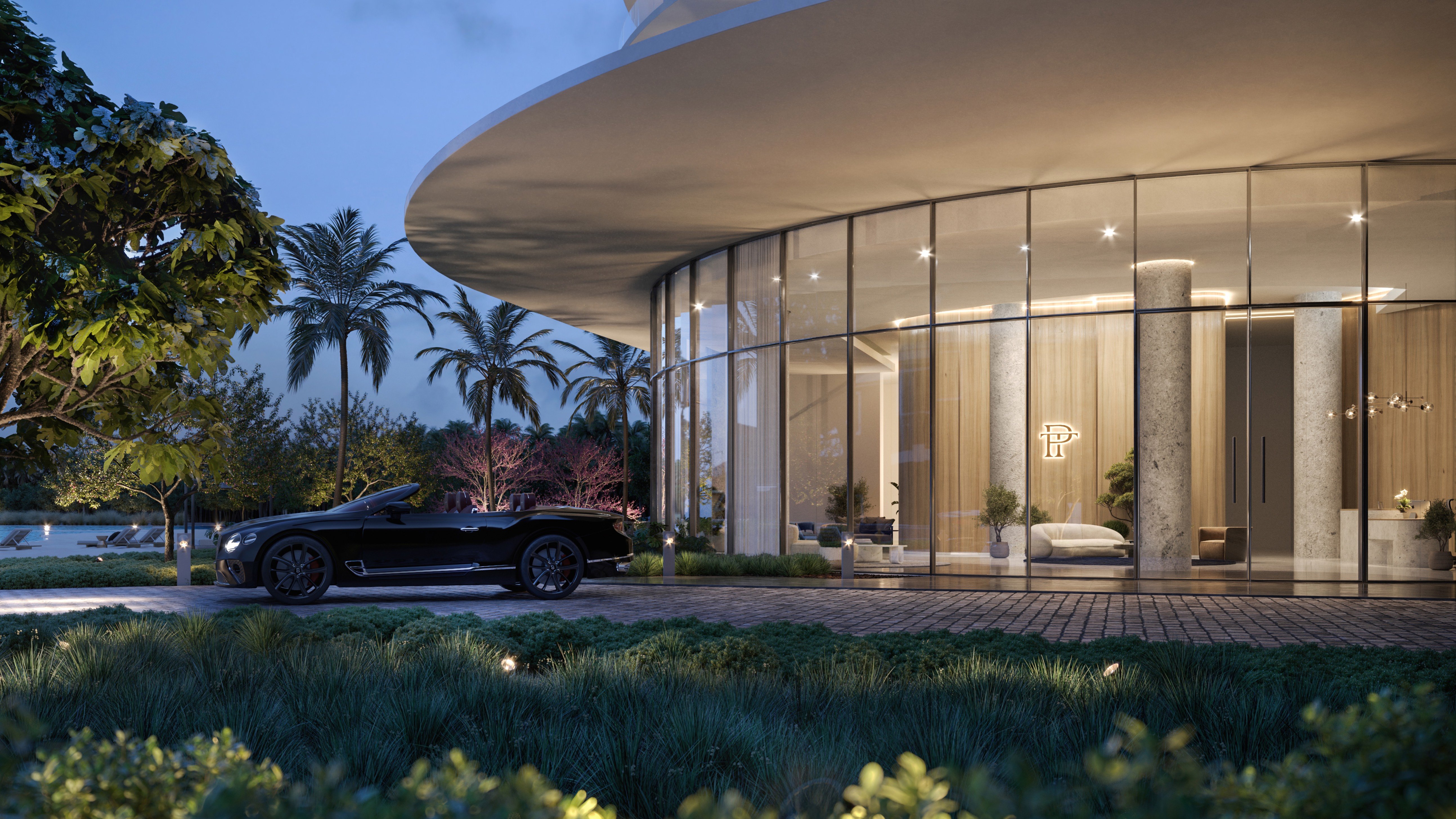
In luxury real estate, parking is often considered after views, floor plans, amenities, and finishes. In Aventura, that sequence deserves rethinking. Guest parking is not a minor convenience. It determines how gracefully a residence supports entertaining, extended family, visiting friends, private staff, medical providers, tutors, chefs, pet care, and seasonal use.
Aventura attracts buyers who value privacy, access, waterfront living, and proximity to the broader South Florida lifestyle. Many residences operate as full-time homes, pied-à-terre retreats, or family gathering points during peak winter months. The more elevated the lifestyle, the more important the arrival experience becomes. A building can offer a beautiful lobby and refined service culture, yet still create friction if guests do not know where to park, how long they may stay, or whether overnight access is permitted.
This is especially relevant for Aventura buyers comparing Avenia Aventura with nearby coastal and urban alternatives. A polished purchase process should treat parking diligence with the same care given to insurance, assessments, reserves, and rental policy review.
The basic question is not whether guest parking exists. The sharper question is how guest parking actually functions on an ordinary day, a holiday weekend, and during peak season. Ask whether guest spaces are physically designated, shared with commercial uses, managed through valet, or controlled through a digital access system.
If the answer sounds informal, ask for the written rule. Luxury buildings often operate well because procedures are precise. Guest parking should be no exception. Buyers should understand whether spaces are first come, first served, whether reservations are allowed, and whether residents can hold spaces for a private dinner or family visit.
It is also worth asking whether guest parking is limited by unit, household, or day. A two-bedroom residence used primarily by one couple may have very different needs than a larger home that regularly welcomes adult children, grandchildren, or houseguests. The policy should match how the buyer intends to live, not merely how the sales tour unfolds.
Aventura buyers should ask whether guests self-park, use valet, or move through a hybrid system. Valet can create a seamless resort-style arrival, especially for evening entertaining, but the details matter: who pays, whether gratuity expectations are customary, whether validation exists, and what happens when the valet queue is busy.
Self-parking can be preferable for residents whose guests visit frequently and casually. It may feel simpler for family, caregivers, or friends stopping by for a few hours. The tradeoff is that self-parking usually requires clearer signage, controlled access, and consistent enforcement.
For buyers also studying the North Miami corridor, projects such as One Park Tower by Turnberry North Miami underscore how closely arrival, access, and amenity planning are connected in the modern luxury conversation. The question is not which system sounds more impressive. The question is which system will feel effortless in real life.
Guest parking policies matter most when visitors stay overnight. Ask whether overnight parking is permitted, how many nights are allowed, whether guests must be registered, and whether repeat visits trigger additional approvals. If a residence will be used as a second home, this becomes even more important. Owners may host family for long weekends, holidays, or extended winter visits, and the building’s rules should not surprise them after closing.
Buyers should also ask how guest parking applies when the owner is not in residence. Some associations may distinguish between guests accompanying an owner and guests using the residence independently. That distinction can affect adult children, trusted friends, or relatives arriving before the owner.
The best policy is not always the most permissive. In a luxury setting, order protects privacy and property values. Still, the buyer should know the boundaries in advance. A building that requires guest registration, license plate information, or front desk approval may be entirely suitable if the process is discreet and efficient.
High-end residences often rely on a quiet network of service providers. Housekeepers, private chefs, personal trainers, florists, art handlers, dog walkers, estate managers, nurses, drivers, and contractors may all need periodic access. Ask whether vendors use guest parking, loading areas, valet staging, or a separate service entrance.
The distinction matters. If vendors occupy limited guest spaces during the day, residents may find the building feels constrained before evening guests even arrive. If service access is controlled but practical, the property can feel both secure and livable.
Aventura buyers should also ask about move-ins, deliveries, furniture installations, and contractor parking during renovations. Resale purchases, in particular, often involve design updates after closing. A thoughtful parking and loading policy can mean the difference between a smooth transition and weeks of avoidable irritation.
Electric vehicle charging is increasingly part of the luxury parking conversation. Buyers should ask whether guest EV charging exists, whether visitors may use resident chargers, and whether charging access must be reserved in advance. Even if the buyer does not currently drive an electric vehicle, guests and future purchasers may care.
Accessible parking should also be reviewed with care. For multigenerational households, visiting parents, medical providers, or guests with mobility needs, proximity to the lobby can be essential. Ask where accessible guest spaces are located, how they are accessed, and whether valet can accommodate mobility-sensitive arrivals.
The broader coastal market reinforces this point. Buyers comparing Aventura with Sunny Isles may evaluate properties such as St. Regis® Residences Sunny Isles, where service expectations are naturally high. Wherever the search leads, the parking program should align with the same level of hospitality promised by the residence itself.
Rules are only as effective as their enforcement. Ask what happens when a resident exceeds guest limits, when an unregistered car remains overnight, or when guests park in resident spaces. Are warnings issued? Are fines automatic? Can vehicles be towed? Who makes the decision?
The tone of enforcement matters. A discreet building handles violations without creating a punitive atmosphere for well-intentioned residents. Still, consistent enforcement protects the owners who follow the rules. Buyers should ask how the building manages high-demand periods, private events, religious holidays, school breaks, and major weekends.
Fees also deserve attention. Guest parking may appear complimentary during a tour but carry charges for valet, overnight stays, extended use, or lost tickets. These fees are not necessarily problematic, but they should be understood as part of the lifestyle budget.
Aventura sits within a wider constellation of waterfront and resort-oriented communities. A buyer considering Aventura may also look east toward the beaches or north and south along the corridor. In Hallandale, Shell Bay by Auberge Hallandale enters the conversation for buyers who want a private-club sensibility, while Aventura may appeal to those who want established convenience, shopping access, and a residential rhythm.
Parking should be compared through that same lifestyle lens. A building with fewer guest spaces may still work beautifully if valet is exceptional and guest stays are rare. A building with more casual self-parking may suit a family that entertains often. The correct answer depends on household habits.
Before contract, ask to review the condominium documents, house rules, parking addenda, valet procedures, and any board-approved parking policies. If a sales representative describes a flexible practice, confirm whether that flexibility is written, discretionary, or subject to change.
Should I ask about guest parking before making an offer? Yes. Guest parking affects daily convenience, entertaining, and long-term livability, so it should be reviewed before contract whenever possible.
Is valet always better than self-parking? Not always. Valet can feel more refined, while self-parking may be easier for frequent family visits and casual daytime guests.
What is the most important overnight guest question? Ask how many nights are permitted, whether registration is required, and whether repeat overnight stays need approval.
Can guest parking rules change after I buy? Building policies can evolve through association procedures, so buyers should understand both current rules and how changes are approved.
Should vendors use guest parking? Ask directly. A strong building usually separates guest convenience from service logistics as much as the property layout allows.
Do parking fees matter in a luxury purchase? Yes. The amount may be modest, but unclear fees can create friction for residents and their guests.
How should I evaluate parking for a seasonal residence? Focus on holiday periods, family visits, and whether guests may park when the owner is away or arriving later.
Are EV chargers important for guest parking? Increasingly, yes. Even if not essential today, charging access may matter to future guests and future buyers.
Should I test the arrival experience during a showing? Yes. Arrive as a guest would, observe signage and valet flow, and ask how the process works after hours.
What documents should I request before closing? Request the condominium documents, house rules, parking policies, valet procedures, and any written fee schedule.
For a tailored shortlist and next-step guidance, connect with MILLION.
If branded residences are on your mind — as a home or as an allocation — we would be glad to share what we are seeing, privately.
Begin a quiet conversation