A buyer-focused audit of the permissions, kitchen engineering, delivery routes, and elevator reservations that should be resolved before planning private-chef dinners or catered gatherings at Faena House.
The most revealing test of a luxury residence may be the dinner its owner intends to host. A chef arrives with ingredients, flowers follow, rentals need a route upstairs, and cleanup must finish without disturbing neighbors. At Faena House Miami Beach, ownership readiness is not simply a question of whether the setting suits entertaining. It is whether the residence, building procedures, and service arrangements support the owner's preferred way of hosting.
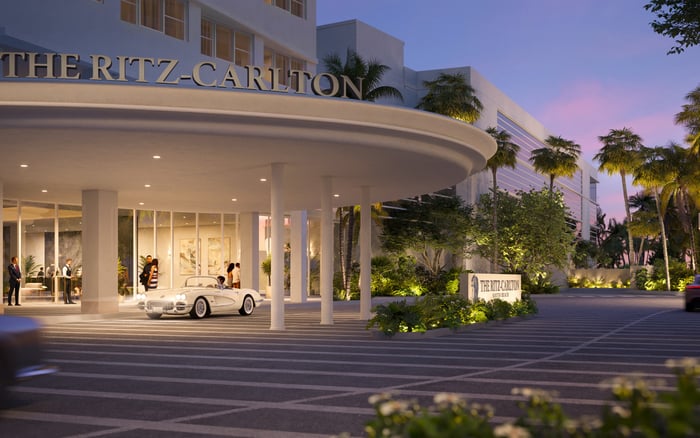
Located at 3315 Collins Avenue in Miami Beach, Faena House is an 18-story oceanfront condominium developed for Faena Group and designed by Foster + Partners with Revuelta Architects. Private elevator arrivals and expansive wraparound terraces are part of its residential appeal. Those features establish an architectural framework-not permission for a particular dinner format.
The audit should distinguish three matters: what the apartment can physically accommodate, what condominium management permits, and what service providers can deliver within those limits. A dedicated service elevator is useful infrastructure, but it is not an event reservation.
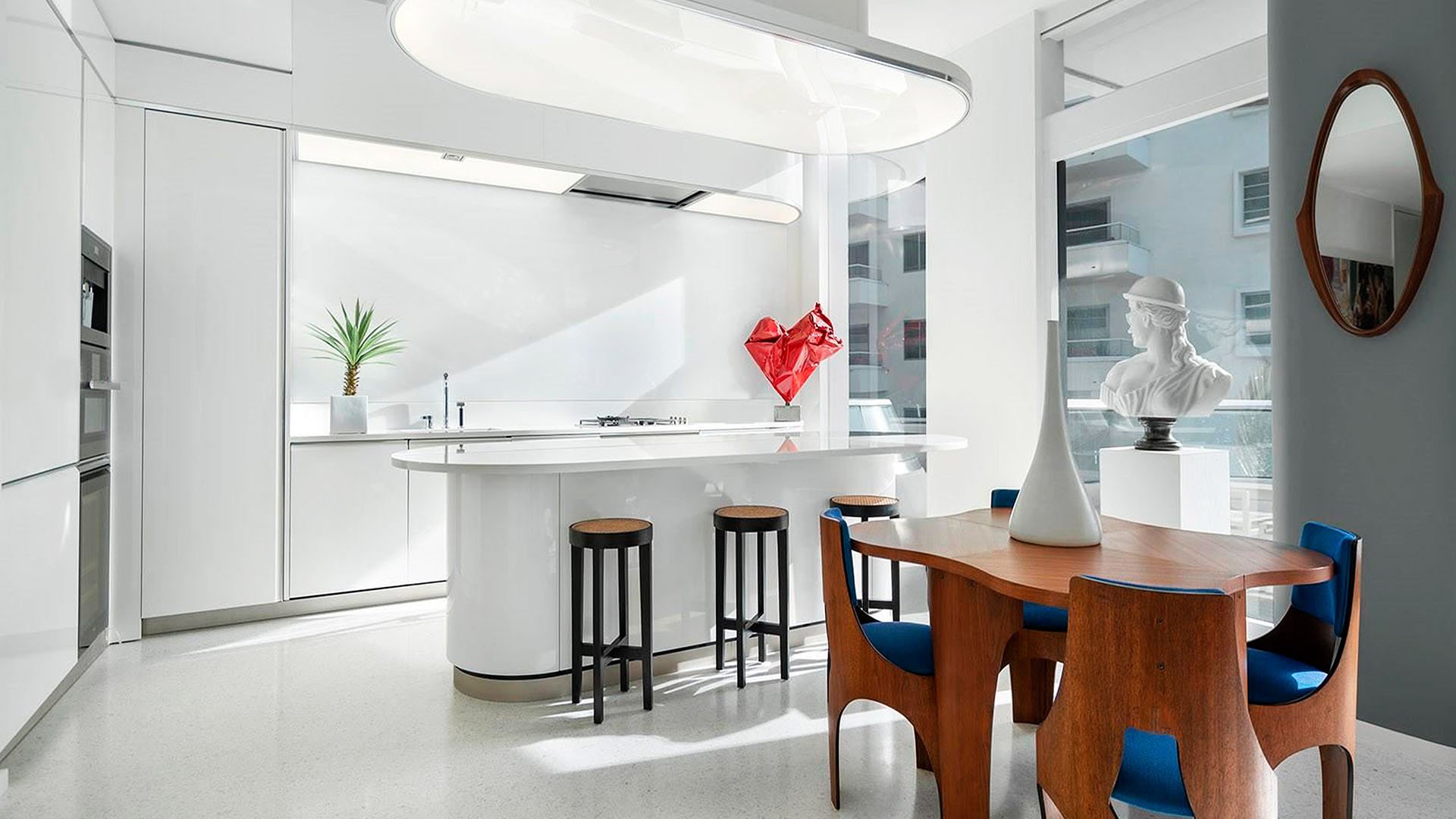
Begin with the exact residence, not a general impression of the building. Obtain its mechanical plans, appliance schedule, hood specifications, and exhaust termination details. Have an appropriately qualified professional assess the proposed cooking against the installed system, including exhaust capacity, make-up air, grease handling, and odor control.
A kitchen-exhaust engineering standard addressing those questions or commercial-grade cooking equipment is not established by the original building specifications. Buyers should not interpret a beautifully appointed kitchen as approval for restaurant-style production.
Give the proposed chef a concrete brief: the intended menu, equipment, cooking methods, preparation sequence, and staffing needs. Ask management which appliances and methods are permitted, particularly for high-smoke cooking. If the preferred menu exceeds the approved setup, determine whether preparation elsewhere and quieter finishing inside the residence could make the dinner workable.
Temporary equipment requires separate scrutiny. Never presume that induction units, fryers, smokers, propane, charcoal, chafing fuel, open flames, dry ice, or supplemental ventilation are permitted. Request written answers before the caterer commits to equipment or the owner considers alterations.
Faena House's original service offering included 24-hour doorman, valet, concierge, and security-surveillance services, alongside preferred status or access within Faena Hotel and the wider Faena District. Confirm the current scope of those arrangements, including who may authorize vendor entry and private events.
Faena Hotel occupies a separate address, 3201 Collins Avenue. Its event services include planning, design, menu curation, and on-site execution at Faena venues. La Cava offers intimate wine-cellar dining with personalized menus and wine pairings. These offerings may inform a buyer's hosting options, but they do not establish permission for hotel staff to cater inside a condominium residence.
Ask two distinct questions: will the provider undertake the proposed residential assignment, and will the condominium approve it? Clarify any outside-chef restrictions, exclusive catering arrangements, insurance obligations, and limits on residential common-area use. Concierge coordination is not final approval authority.
For buyers also considering Setai Residences Miami Beach, the same distinction matters: evaluate the specific residence's permissions rather than assuming a hospitality setting answers every operational question.
Faena House's original elevator configuration includes three passenger elevators operating at 500 feet per minute and a dedicated service elevator operating at 350 feet per minute. Those figures describe original infrastructure. They do not establish current booking windows, weight limits, staging rights, or control of access.
Request the service cab's dimensions, door opening, rated capacity, and protection requirements. Ask the event team to check its largest carts, rental cases, and floral installations against the dimensions of the complete delivery route, including constrained turns and thresholds.
Then obtain the reservation procedure in writing. Confirm booking lead time, maximum duration, cancellation terms, fees, weekend availability, and after-hours access. Establish whether a reservation provides exclusive use or must accommodate other building activity, and who can resolve scheduling conflicts.
The same audit belongs in a purchase comparison that includes The Perigon Miami Beach. The point is not to assume equivalent systems, but to ask equivalent questions. Elevator speed alone cannot establish how smoothly several vendors will move through a shared operating schedule.
Map each handoff before discussing the guest experience. Confirm the approved service entrance and loading location, delivery windows, vehicle dwell time, and restrictions on simultaneous arrivals. Do not assume valet service provides a staging area for catering vehicles.
Ask where ingredients, flowers, tableware, and rentals may wait. Establish approved refrigeration and perishable-food handling arrangements, especially if elevator access is delayed. Determine whether packaging must leave immediately or may remain in a designated location.
Vendor access requires its own checklist: registration, identification, escorts, guest lists, vehicle details, insurance, and any background checks. Confirm who submits the documents, who approves them, and whether substitutions require renewed clearance.
Cleanup needs an equally precise plan. Identify permitted waste routes, removal hours, and arrangements for rental collection. A dinner is not operationally complete when guests depart; it is complete when staff, equipment, and refuse have exited under the building's rules.
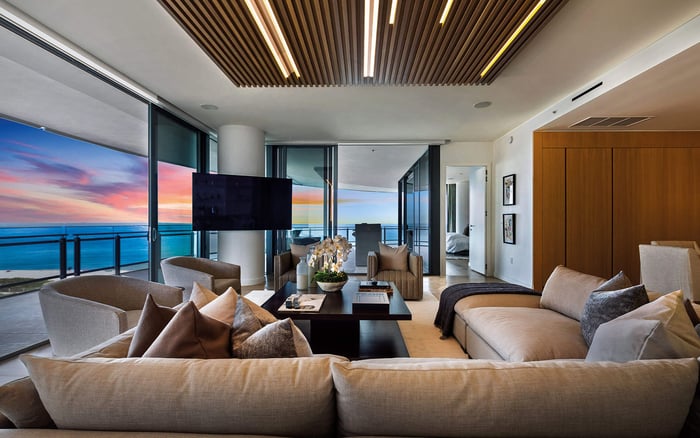
Wraparound terraces can shape the desired atmosphere, but terrace cooking, equipment placement, sound, and service activity require explicit confirmation. Separate permission to entertain outdoors from permission to cook there.
Request current guest-count limits, noise restrictions, event hours, alcohol-service requirements, and common-area rules. Establish whether approval rests with management, another authorized decision-maker, or more than one party. Written confirmation should describe the actual event, not an abstract intention to host.
Buyers weighing The Surf Club Four Seasons Surfside alongside Faena House can use the same event brief. Comparing responses to one consistent scenario is more useful than comparing broad lifestyle promises.
Request the current declaration, bylaws, house rules, alteration standards, move procedures, vendor forms, insurance requirements, and elevator-use forms. Read them against the intended hosting pattern, whether occasional private-chef dinners or more elaborate catered gatherings.
Build a representative timeline covering chef arrival, food carts, rentals, flowers, service, cleanup, and waste removal. Ask management and the proposed caterer to review it alongside ordinary building traffic. Record every approval, reservation, responsibility, and unresolved condition.
Ownership readiness means aligning the residence's engineering, current permissions, and a workable service schedule. Faena House's dedicated service infrastructure and nearby hospitality offerings are meaningful starting points; the decisive assurance is written confirmation that the owner's intended use can proceed.
For a discreet approach to evaluating South Florida ownership, explore MILLION.
If branded residences are on your mind — as a home or as an allocation — we would be glad to share what we are seeing, privately.
Begin a quiet conversationFaena House is at 3315 Collins Avenue, Miami Beach, FL 33140, in the Mid-Beach/Faena District area.
The original specifications identify a dedicated service elevator operating at 350 feet per minute. Current capacity, access, and reservation procedures require management confirmation.
No. Vendor entry, routing, identification, and any escort requirements should be confirmed separately with condominium management.
Request unit-specific mechanical plans, appliance schedules, hood specifications, and exhaust termination details. Have a qualified professional assess the intended equipment and cooking methods.
No verified kitchen-exhaust specification or permission for commercial-grade equipment is established here. Obtain unit-specific technical review and written management confirmation.
Hotel venue services do not establish permission to cater inside a privately owned condominium residence. Confirm both provider availability and condominium approval.
Confirm lead time, reservation duration, fees, cancellation terms, protection rules, and weekend or after-hours availability. Also establish whether use is exclusive or shared.
Do not presume permission for terrace cooking or temporary equipment. Obtain written confirmation covering the proposed appliances, fuels, and cooking methods.
Request the current declaration, bylaws, house rules, alteration standards, move procedures, vendor forms, insurance requirements, and elevator-use forms.
Create a representative timeline from vendor arrival through cleanup and waste removal. Ask management and the caterer to review each handoff, reservation, and approval.