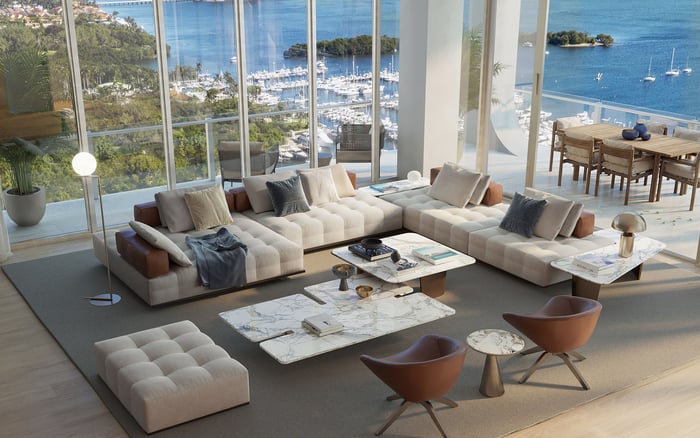
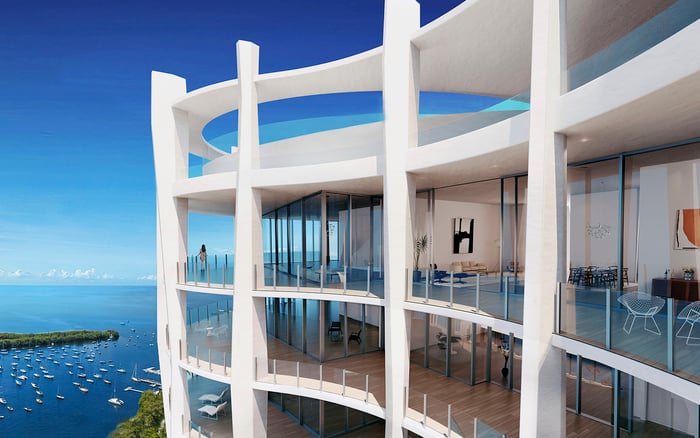
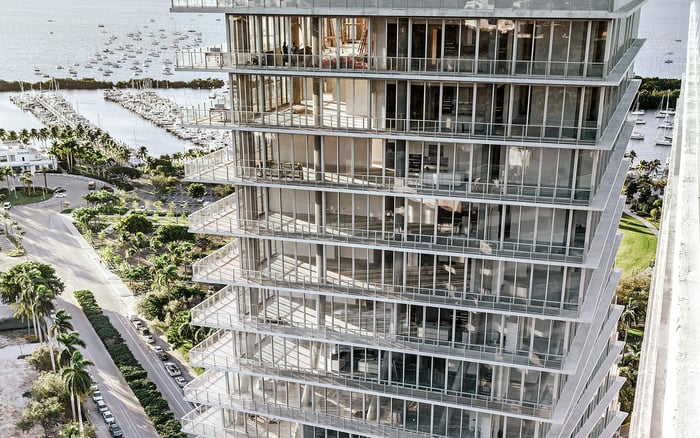
A discreet buyer’s guide for evaluating South Florida terraces through the lens of daily comfort, privacy, exposure, circulation, and the Coconut Grove lifestyle.
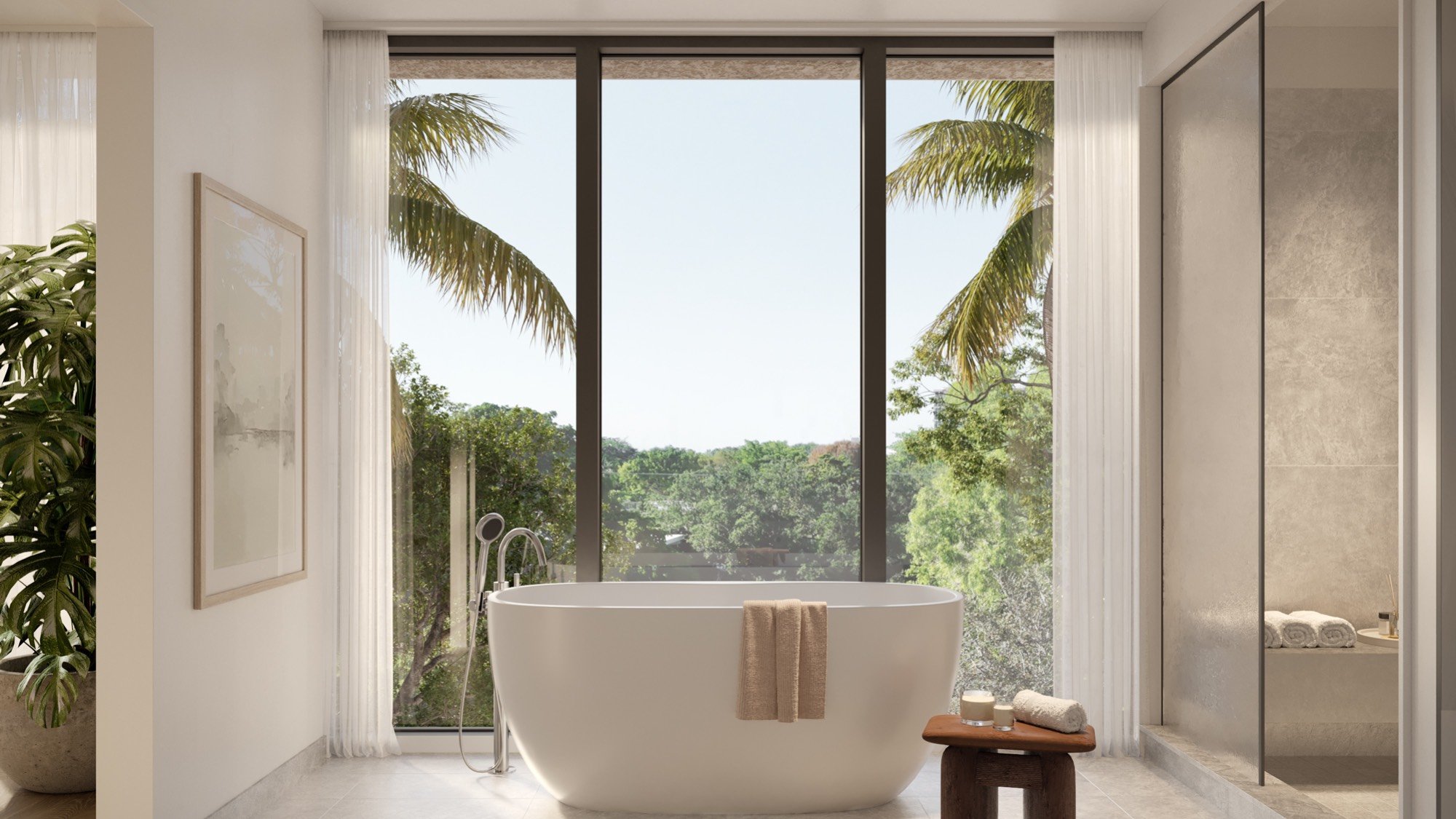
For a Boston buyer considering Coconut Grove, the terrace is often the emotional hinge of the purchase. It represents the move itself: breakfast outside, evening air after dinner, a quieter relationship with landscape, and a softer transition between home and city. Yet in South Florida, outdoor space deserves more discipline than romance. A terrace that photographs beautifully may not live beautifully.
The more useful question is not simply, “How large is it?” It is, “When will I actually use it, and how will it feel when I do?” Heat, wind, privacy, shade, furniture depth, door placement, and the height of surrounding buildings all shape the answer. For buyers coming from Boston townhouses, brownstones, or high-floor city apartments, the shift can be subtle. In Coconut Grove, the best terrace is less a showpiece than a daily room without walls.
That is why terrace evaluation belongs at the center of the search, not at the end. It should influence floor height, exposure, plan selection, furniture strategy, and even the way an owner imagines entertaining. A well-chosen outdoor area can make a residence feel larger, calmer, and more connected to place. A poorly chosen one can become an expensive view corridor used only in passing.
Large terraces are seductive, but usable terraces are measured by lived moments. Can two people sit outside without blocking circulation? Is there a natural place for a dining table, or does the door swing cut through the best area? Is the terrace deep enough to hold furniture without feeling improvised? A narrow Balcony can be charming for coffee, but it should not be mistaken for an outdoor dining room.
The most successful layouts create clear zones. One area may work for lounge seating, another for dining, and another for planting or sculpture. Even in a compact plan, the terrace should have a purpose that is clear the moment one steps outside. Buyers should walk the space slowly, not simply glance at the view. Stand where a sofa would sit. Open the doors. Imagine serving breakfast. Notice whether the indoor living room and outdoor space feel like one composition, or two separate ideas.
This is where Coconut Grove can be especially compelling for buyers who value a softer residential atmosphere. The neighborhood’s appeal is not only the address, but the way interior life can blend with greenery, water, and village-scale routine. When reviewing projects such as Four Seasons Residences Coconut Grove, the more meaningful conversation is not simply about prestige. It is about how the residence supports the daily rhythm a buyer is trying to create.
Exposure is one of the most important terrace variables because it determines when the space feels inviting. A buyer should understand how the terrace behaves at different times of day and how the principal rooms relate to that exposure. A living room that opens cleanly to a shaded outdoor area may feel more serene than a larger plan with outdoor space that is difficult to inhabit comfortably.
The same logic applies to views. Waterfront orientation can be wonderful, but view alone is not the whole value. A terrace must allow the owner to enjoy the view without feeling overly exposed or physically uncomfortable. Privacy, railing transparency, neighboring sightlines, and the ability to furnish the edge all matter. A dramatic outlook loses intimacy if the terrace cannot support real use.
For Boston buyers accustomed to valuing fireplaces, ceiling heights, library walls, or formal dining rooms, this is the South Florida equivalent of architectural due diligence. The terrace is a primary living feature. It deserves the same scrutiny as a kitchen finish, primary suite, or building amenity.
Wind is not only a weather issue. It is a design issue. The feel of a terrace can shift with elevation, building form, corner conditions, railings, overhangs, neighboring structures, and the degree of protection from the edge. A buyer does not need to become an engineer, but practical questions are essential.
Will dining chairs remain comfortable? Can planters be placed with confidence? Does the terrace encourage long conversation, or does it feel like a pass-through moment? Is there a recessed portion that feels protected? Are doors easy to operate? Does the outdoor area connect to a room that naturally supports its use, such as a living room, den, or breakfast area?
In boutique or wellness-oriented settings such as The Well Coconut Grove, buyers may be drawn to a quieter lifestyle narrative. The important step is to connect that narrative to the plan itself. A wellness-minded residence should make outdoor use feel effortless, not ceremonial.
Coconut Grove buyers often respond to a more layered idea of luxury: shade, landscape, privacy, walkability, and a sense of retreat. The terrace should participate in that mood. It should not feel like an exposed platform attached to an otherwise elegant residence. It should feel integrated, with a clear relationship to the interior palette and the owner’s preferred way of living.
Planting can help create that sense of enclosure, but buyers should think carefully about maintenance, weight, irrigation, and building rules. Privacy screens, outdoor rugs, low planters, sculptural trees, and discreet lighting can transform a terrace, but only if the dimensions and regulations allow them. Before falling in love with a rendering or staged vignette, ask what is permitted and what is practical.
Projects such as Arbor Coconut Grove and Ziggurat Coconut Grove are useful reference points for buyers who want to compare how different residential concepts frame the Grove lifestyle. The right choice depends less on a single visual impression than on whether the plan supports the buyer’s real outdoor habits.
A disciplined approach compares terraces through a consistent lens. First, evaluate the indoor-outdoor connection. A terrace off the main living area is usually more central to daily life than one reached through a secondary space. Second, evaluate depth and furnishability. Third, consider privacy from neighbors and common viewpoints. Fourth, think about shade and exposure. Fifth, ask how the terrace will be used when guests are present.
Entertaining is often where the truth appears. If six guests gather inside, does the terrace expand the room or interrupt it? Can drinks move outside naturally? Is there a place for one person to sit quietly while others remain indoors? Does the kitchen support the outdoor dining idea, or is the path awkward? These details can matter more than a few additional square feet.
For buyers considering established Grove references, Park Grove Coconut Grove can be part of a broader comparison set, especially when thinking about how building setting, arrival, and outdoor living combine. The goal is not to chase one universal definition of luxury. It is to find the residence whose exterior space matches the owner’s private rituals.
A buyer relocating from Boston should build the tour around use cases. Morning coffee. A shaded lunch. A work call outdoors. A quiet drink after dinner. A small family dinner. A larger evening with friends. If the terrace cannot support the moments that matter most, its square footage is decorative rather than functional.
Ask to revisit finalists at different times when possible. Bring approximate furniture dimensions. Notice whether the terrace feels connected to the home or simply appended to it. Think about pets, children, guests, plants, and storage. Consider how often doors will remain open and whether the interior plan encourages that behavior. The best South Florida residence is not the one with the most outdoor area. It is the one where outdoor living becomes natural.
For MILLION readers, this is the essence of the search. Coconut Grove is not chosen only for architecture or address. It is chosen for atmosphere. A truly usable terrace allows that atmosphere to enter the home with grace, proportion, and restraint.
Should a Boston buyer prioritize terrace size first? No. Size matters, but depth, privacy, exposure, and connection to the living room often determine whether the terrace will be used.
Is a Balcony enough for South Florida living? It can be, if the buyer wants a simple outdoor perch for coffee or air. For dining or lounging, depth and furniture clearance become more important.
What makes a Terrace feel usable in heat? Shade, orientation, door placement, furniture layout, and the ability to use the space at preferred times of day all matter.
How should buyers think about wind? Stand outside, imagine real furniture in place, and ask whether the space feels protected enough for the intended use.
Does Waterfront exposure automatically make a better terrace? Not always. A beautiful view still needs comfort, privacy, and a layout that supports sitting, dining, or entertaining.
Why is Coconut Grove appealing for terrace-focused buyers? Coconut Grove can suit buyers seeking a softer residential atmosphere where outdoor living feels central rather than occasional.
Should buyers visit at different times of day? Yes. A terrace can feel different in the morning, afternoon, and evening, especially when comfort is the priority.
Can planting improve terrace privacy? Often, but buyers should confirm building rules, maintenance requirements, and practical limits before planning extensive greenery.
How do I compare two similar residences? Use the same checklist for each: access, depth, privacy, exposure, furniture zones, and how naturally guests can move outside.
What is the best terrace choice for long-term ownership? The best choice is the terrace that supports daily rituals with ease, not the one that simply looks most dramatic.
For a confidential assessment and a building-by-building shortlist, connect with MILLION.
If branded residences are on your mind — as a home or as an allocation — we would be glad to share what we are seeing, privately.
Begin a quiet conversation