A discreet buyer’s guide to evaluating view protection in North Miami, with emphasis on legal durability, adjacent parcel risk, waterfront sightlines, and disciplined offer strategy.
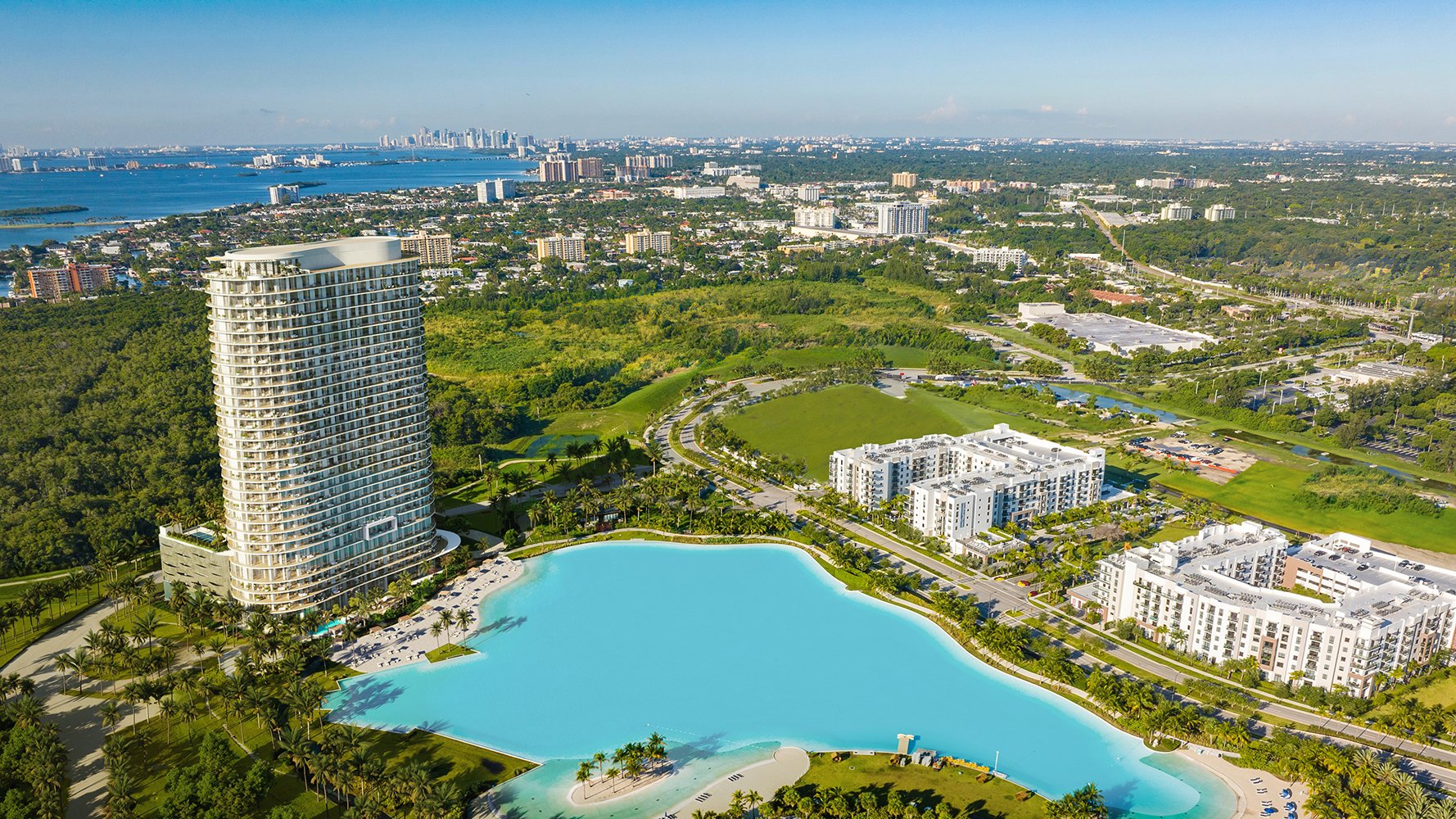
In North Miami, a view can seduce within the first five seconds of a showing. The bay appears calm, the skyline sits at a pleasing distance, and the balcony seems to hold a private slice of South Florida light. For a luxury buyer, however, the more important question is not what the residence sees today. It is what the residence is likely to see after the next parcel, roadway edge, marina frontage, or low-rise site is reconsidered by the market.
A protected view corridor should be evaluated as risk control. It may involve public land, water, road alignments, setbacks, recorded easements, development limitations, or other conditions that make a view harder to obstruct. It should not be treated as a phrase in a sales conversation. Unless the protection can be identified, documented, and interpreted by the buyer’s professional team, the premium deserves restraint.
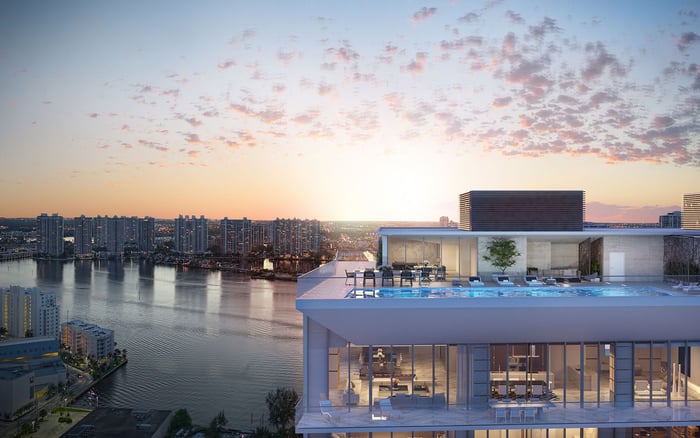
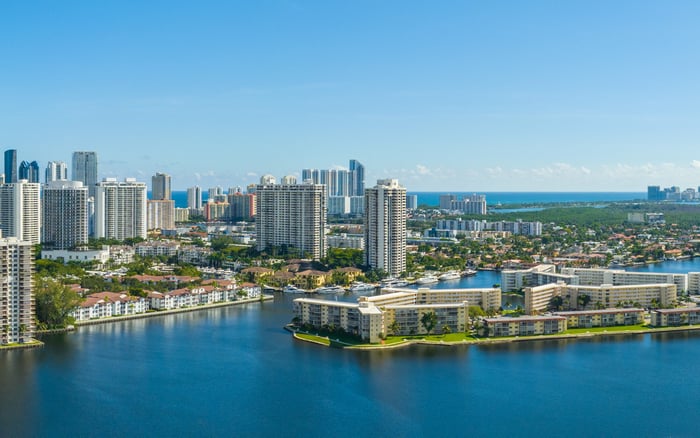
This buyer’s-guide lens is especially relevant for Waterfront and Waterview buyers comparing North Miami with Aventura, Sunny Isles Beach, North Bay Village, and Bay Harbor Islands. In each market, the most impressive view is not always the most secure view.
The first discipline is language. A beautiful exposure is visual. A protected corridor is structural, legal, or planning-based. A residence may enjoy an extraordinary bay angle because a neighboring site has not yet been redeveloped. That is not the same as a protected view. A unit may look over a roadway, park edge, marina basin, or waterway, but the durability of that outlook depends on what can happen around the line of sight.
Buyers should ask three direct questions. What physical element creates the opening? Who controls the land or water edge within that opening? What, if anything, restricts a future structure from entering that view plane? The answers should be reviewed before a buyer assigns a meaningful premium to the residence.
The word “protected” deserves particular care. It may refer to a genuinely recorded limitation, or it may simply describe a view that feels unlikely to change. Those are very different positions. In a high-value purchase, probability is not enough. The buyer wants documents, survey context, and a practical understanding of surrounding development potential.
A serious view review begins beyond the unit itself. The buyer should study the neighboring parcels inside the sightline, including lots across a street, waterfront edges, older improvements, parking fields, club properties, and underbuilt sites. A low structure can be part of today’s charm while also representing tomorrow’s uncertainty.
Due diligence should include current zoning posture, possible height, required setbacks, lot configuration, access points, and any visible constraints that could influence future redevelopment. This is not a prediction exercise. It is a way to understand the range of plausible outcomes. A buyer does not need to know exactly what will be built to recognize whether a view is vulnerable.
In North Miami, the most nuanced sightlines often involve oblique angles rather than straight-ahead panoramas. A residence may preserve an open bay feeling because the view slips between parcels or over a lower edge. Those angles can be valuable, but they should be diagrammed. If the openness depends on a narrow gap, a single future building mass may change the experience dramatically.
Luxury buyers should request a clean package of view-related materials before making a fully priced offer. At minimum, the review should include the survey, condominium documents when applicable, recorded easements if any are represented, relevant site plans available to the buyer, and any materials that explain nearby development rights. If a seller or representative describes a view as protected, the buyer should ask what document supports that statement.
A real estate attorney, land-use professional, or experienced local advisor can help distinguish between soft comfort and hard protection. The strongest position is a view supported by durable physical conditions and legal documentation. The weakest is a view that depends entirely on the assumption that adjacent land will remain as it is.
This is where restraint becomes elegant. A buyer can love the residence and still price the uncertainty. The premium for a protected view should be reserved for protection that survives scrutiny. If the protection is unclear, the offer can reflect the current beauty while preserving room for future risk.
Not all views perform equally in daily life. A balcony view may impress, while the primary bedroom, kitchen, or living room tells a more modest story. Buyers should evaluate the corridor from the exact positions where they will live: seated in the main room, standing at the kitchen island, waking in the primary suite, and dining after sunset.
Height matters, but it is not the only factor. A higher floor may clear certain obstructions, while a lower floor may feel more connected to water, gardens, or marina life. The better question is whether the view has depth, width, and layered interest. Water alone can be powerful, but water framed by sky, trees, and distant architecture often feels more residential and enduring.
Light is also part of the analysis. Morning glare, afternoon heat, reflection from neighboring glass, and nighttime privacy can alter how a view lives. A buyer should visit at more than one time of day whenever possible. The most valuable corridor is not only open. It is comfortable, legible, and private enough for everyday use.
North Miami buyers often compare residences across a broader Biscayne Bay map. That comparison is useful because it reveals how different markets price openness, privacy, and perceived scarcity. A buyer looking at One Park Tower by Turnberry North Miami may also study how water and skyline relationships feel at Continuum Club & Residences North Bay Village or how bay frontage is framed at La Baia North Bay Harbor Islands.
The point is not to choose by neighborhood alone. It is to understand whether the premium being asked in North Miami is supported by comparable visual quality, comparable privacy, and comparable view durability. A buyer considering a more vertical coastal context, such as Bentley Residences Sunny Isles, may find a very different relationship between height, exposure, and neighboring tower risk.
This comparative lens keeps the buyer disciplined. If two residences offer similar finishes and amenities, the defensibility of the view may become the true difference. In that moment, a documented corridor can justify confidence. A merely attractive outlook should be negotiated with more care.
A protected view should influence price, contract structure, and walk-away discipline. If the view is central to the purchase, the buyer should make its verification part of the decision process early, not after emotional attachment has already formed. The strongest buyers are not the fastest. They are the ones who know precisely what they are paying for.
If the corridor is well supported, the buyer can justify a firmer position. If adjacent parcels introduce uncertainty, the buyer may seek a price adjustment, additional diligence time, or a more conservative valuation of the view component. If the residence remains desirable even with a reduced view, that flexibility has value. If the residence only works because of today’s outlook, the risk is more concentrated.
For ultra-premium buyers, the goal is not fear. It is clarity. A protected view corridor can be one of the quiet luxuries that makes a North Miami residence feel rare over time. But rarity should be proven, not assumed.
What is a protected view corridor? It is a sightline with some physical, legal, or planning condition that helps preserve it from obstruction.
Is every waterfront view in North Miami protected? No. Waterfront exposure may be beautiful, but protection depends on documents, adjacent parcels, and future development constraints.
What should I ask before paying a view premium? Ask what creates the view, who controls the land within it, and what limits future construction in that sightline.
Can a view be valuable even if it is not protected? Yes. The key is pricing it as a current amenity rather than as a durable, documented asset.
Should my attorney review view-related claims? Yes. Any claim of protection should be reviewed through recorded documents, condominium materials, and contract language.
Do higher floors always have safer views? Not always. Height can help, but neighboring development, angles, and setbacks may matter just as much.
How should I compare North Miami with Aventura or Sunny Isles Beach? Compare the durability, privacy, and daily livability of the sightline, not only the size of the water view.
Should I visit the residence at different times of day? Yes. Light, glare, privacy, and nighttime ambience can change the value of a view significantly.
Can adjacent low-rise properties be a risk? They can be. Underbuilt sites within a key sightline should be reviewed carefully before assigning a large premium.
What is the best buyer mindset for view corridors? Admire the view emotionally, but evaluate the protection with discipline before committing capital.
For a confidential assessment and a building-by-building shortlist, connect with MILLION.
If branded residences are on your mind — as a home or as an allocation — we would be glad to share what we are seeing, privately.
Begin a quiet conversation