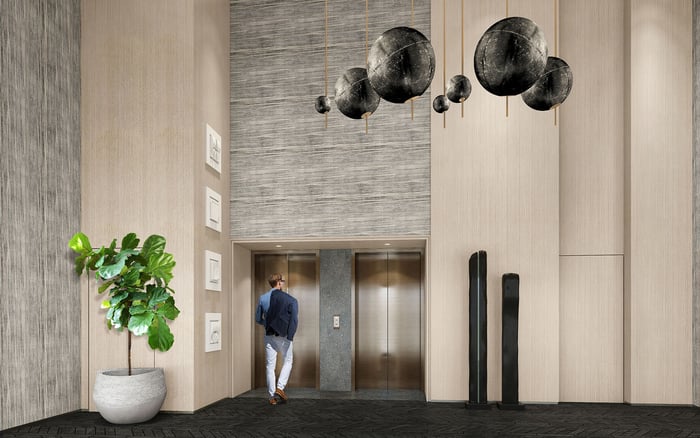
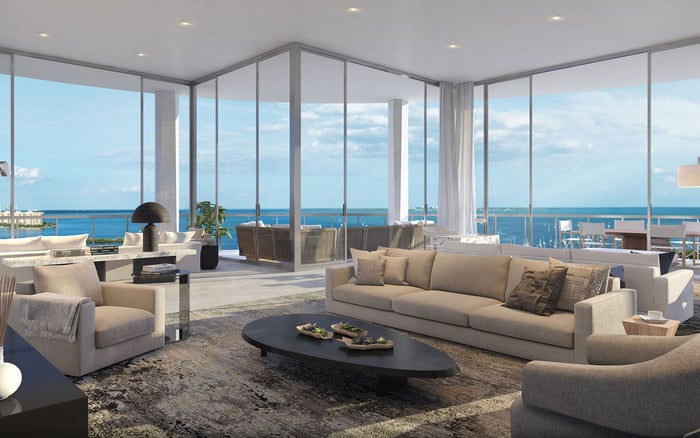
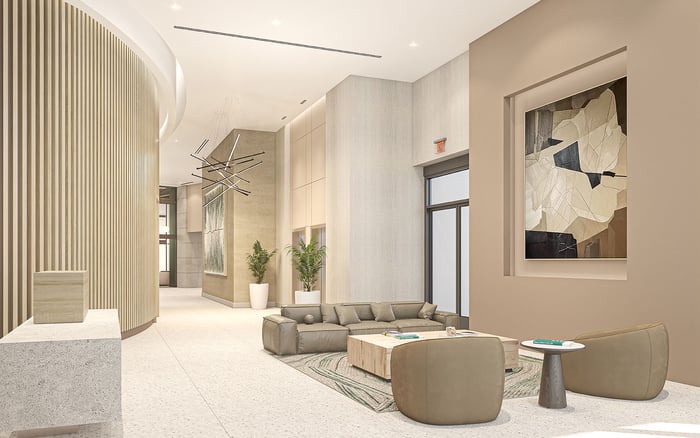
Neither Coconut Grove property includes an on-site hotel, yet their circulation patterns, public-facing spaces, amenity intensity, and household counts create distinctly different privacy considerations.
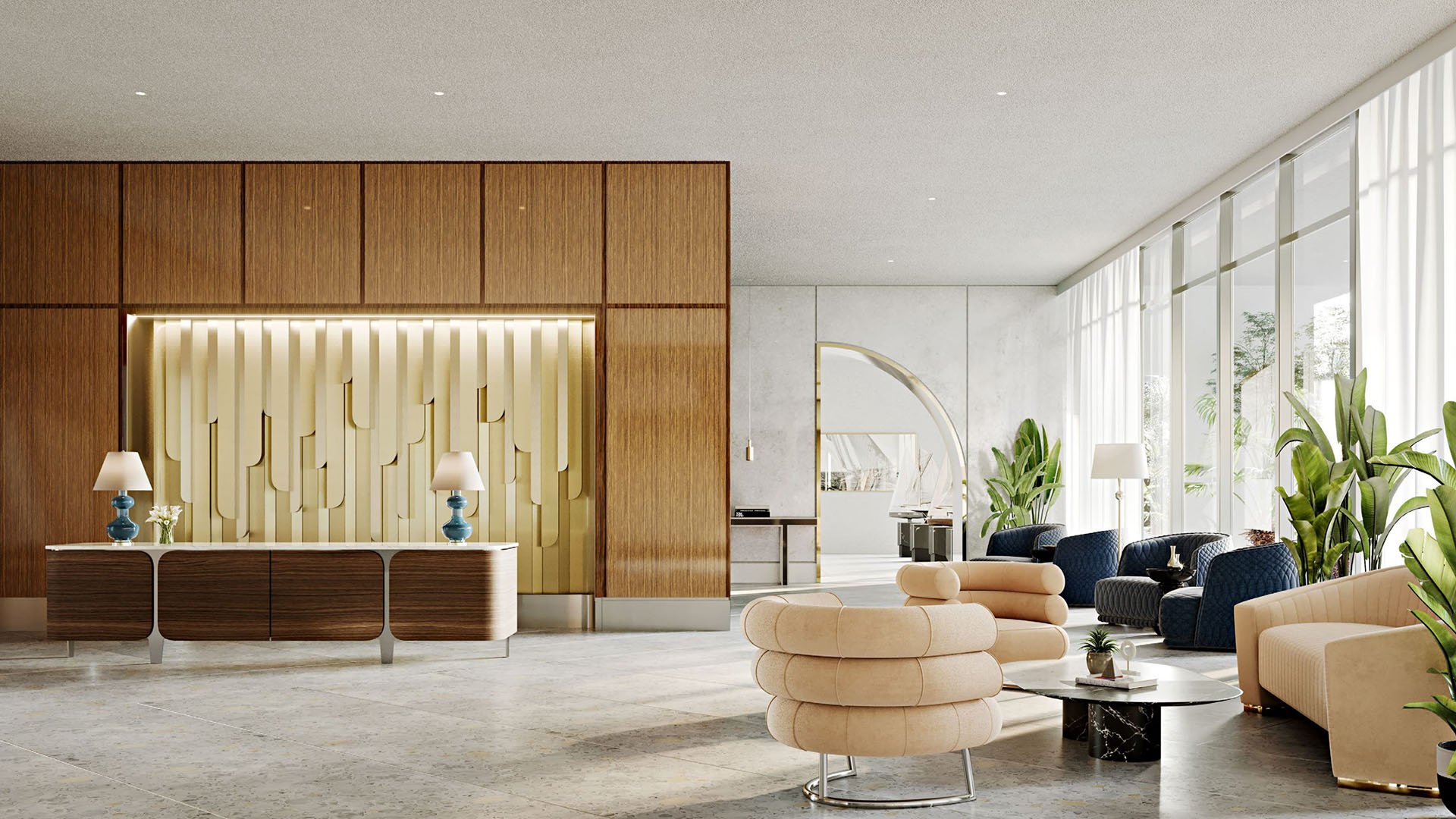
Luxury residential privacy is defined by more than a private elevator or staffed reception desk. It emerges from the entire journey through a property: curbside arrival, lobby, elevator bank, amenity floors, service corridors, loading areas, and the thresholds between resident-only and public spaces.
That distinction is especially important when comparing Four Seasons Residences Coconut Grove with Mr. C Tigertail Coconut Grove. Both are branded condominiums without an on-site hotel component, and neither is designed around transient hotel operations. Yet each provides hospitality-informed service and must accommodate people beyond owners: invited guests, restaurant patrons, vendors, delivery couriers, household staff, building personnel, and amenity teams.
For buyers studying Coconut Grove through MILLION's Buyer's Guides, the essential question is not simply whether a hotel exists. It is how different groups are sorted, screened, and moved through the property without compromising the residential experience.
True residential privacy is created by the separation of journeys, not branding alone.
Four Seasons is planned with approximately 70 residences. That comparatively limited household count should mean fewer owners and personal guests routinely sharing the lobby, elevators, and amenities. Its residential program includes a serviced pool deck, gym, yoga room, spa, residents' lounge, private entertaining space, and children's playroom.
The principal point requiring closer inspection is the ground-floor signature restaurant. A public-facing dining venue can add energy and convenience, but buyers should request plans that clearly distinguish restaurant arrivals from residential arrivals. They should also identify the restaurant's loading path, waste route, staff entrance, kitchen-delivery route, valet procedure, and any connection to residential elevator banks.
The project's resort relationship is notably off-site. Resident membership access to The Surf Club Four Seasons Surfside can extend the lifestyle proposition without bringing that beach club's resort guests into the Coconut Grove residence. This arrangement supports a structurally quieter concept, subject to confirmation of the building's actual access and operating protocols.
Waterfront positioning and expansive views may reinforce the sense of retreat, but waterfront privacy still depends on details at street and service levels. Buyers should ask whether restaurant patrons can enter any residential vestibule, whether residential valet staging is separate, and whether service personnel use dedicated vertical circulation.
Mr. C Tigertail contains 134 residences across 21 floors, meaning more households share its circulation and amenity systems than at Four Seasons. The property remains residential rather than an on-site hotel, but its service and amenity model is intentionally more active.
The grand lobby, covered valet arrival, lounge seating, and package functions create a central point for residents, visitors, deliveries, and staff. Concierge reception, butler service, valet and security coverage, housekeeping availability, property management, and a residents' app add convenience while increasing the importance of disciplined back-of-house planning.
Amenities include an event lounge, billiards lounge, conference room, Little C Kids Club, fitness and training spaces, yoga and Pilates facilities, spa, sauna, steam room, and multiple social areas. The rooftop level adds a secluded pool and sundeck, open-air lounge, poolside bar, food-and-beverage service, and towel service. A garden-level area includes a lap pool, cabanas, outdoor lounge, another poolside bar, and related service.
These are meaningful lifestyle advantages for an owner seeking a convivial, resort-style atmosphere. They also make guest limits, event rules, reservation rights, operating hours, music policies, and food-service routes material due-diligence issues, particularly for residences near rooftop or garden amenities.
Treat a property tour as a circulation audit. Begin at the vehicle entrance and walk the resident route from valet or parking to the home. Then trace, separately, the likely paths of a dinner guest, delivery courier, housekeeper, contractor, restaurant patron, and amenity employee. Note where those journeys intersect.
At Four Seasons, focus on the boundary between the signature restaurant and the residential domain. Ask whether the restaurant has separate valet handling, bathrooms, loading access, staff circulation, and after-hours controls. Confirm which doors require resident credentials and whether restaurant events can affect arrival congestion.
At Tigertail, determine which spaces are exclusive to Tigertail and which connect to the wider Tigertail-Bayshore complex. Buyers should see where access controls divide towers and shared podium areas. The property includes controlled access, 24-hour security, and private high-speed elevators, but elevator zoning and routes for staff, vendors, and guests should be confirmed in current documents.
Mr. C Miami-Coconut Grove is a separate boutique hotel. Buyers should obtain written clarification on whether its patrons receive access to Tigertail facilities, transportation, or other residential privileges. The relevant standard is documented permission, not an assumption based on brand affiliation.
Sales presentations can communicate design intent, but current condominium documents and operating policies establish enforceable boundaries. A privacy-focused buyer should review floor plans, the declaration, bylaws, rules and regulations, amenity reservation terms, guest policies, event limits, and security procedures.
Request a key-card matrix showing who can reach each floor and amenity. Examine service-elevator locations, loading access, package handling, visitor registration, vendor scheduling, overnight guest rules, and private-event protocols. Neither project's public-facing description fully resolves these operational details, making written confirmation particularly important.
Within the broader market for branded residences, service quality and privacy are not opposing goals. The strongest operations deliver both by giving hospitality teams efficient routes that remain discreetly separate from owner circulation.
Four Seasons appears better aligned with a buyer prioritizing lower household density, a quieter residential core, and off-site resort access, provided the restaurant interface is convincingly separated. Tigertail may appeal more to a buyer who values an extensive, social, service-rich amenity environment and accepts greater activity in exchange for that breadth.
The decision should not rest on which lobby feels more private during a scheduled showing. It should turn on how each property performs at dinner hour, during a resident event, when deliveries arrive, and when pools and lounges are busiest. Privacy is ultimately an operating system, and sophisticated buyers verify it before treating it as an amenity.
For discreet guidance on evaluating circulation, access controls, and owner privacy in South Florida, consult MILLION.
If branded residences are on your mind — as a home or as an allocation — we would be glad to share what we are seeing, privately.
Begin a quiet conversationNo. It is a fully managed residential project without an on-site hotel component or transient hotel operations.
No. Tigertail is a condominium with hotel-like services and amenities, but no on-site hotel component.
Four Seasons is planned with approximately 70 residences, while Tigertail contains 134 residences across 21 floors.
The ground-floor signature restaurant makes separation of restaurant arrivals, service routes, valet activity, and residential elevators important.
They should determine which spaces are exclusive to Tigertail and where access controls separate it from the wider Tigertail-Bayshore complex.
Yes. The rooftop and garden pools are resident amenities and social hubs, making guest limits, event rules, hours, and noise exposure important.
Buyers should confirm elevator zoning and the routes assigned to residents, guests, staff, vendors, and deliveries in current documents.
No. Buyers should obtain written confirmation concerning any hotel-patron access to Tigertail facilities, transportation, or privileges.
Review current floor plans, condominium declarations, bylaws, guest policies, amenity rules, event limits, and security protocols.
Four Seasons appears structurally quieter because of its lower residence count and off-site resort relationship, subject to verification of restaurant and service separation.