A discreet buyer’s guide to reading the daily culture of a Sunny Isles Beach condominium before committing to full-time residence, from service rhythm and rules to amenity behavior, privacy, pets, guests, and long-term livability.
For some buyers, the search begins with the shorthand Sunny Isles, yet the decision to live full-time in Sunny Isles Beach is rarely about a floor plan, view corridor, or branded arrival sequence alone. Those elements matter, but they do not fully explain how a building feels at 8 a.m. on a weekday, how residents behave around the pool on a holiday weekend, or whether the staff understands privacy with the ease expected by a year-round household.
Building culture is the operating system of condominium life. It is shaped by residents, management, rules, staffing, maintenance standards, guest behavior, amenity etiquette, and the unspoken expectations that make one tower feel serene and another feel transient. In a market defined by high design and oceanfront aspiration, the best purchase is not always the most dramatic one. It is the building whose daily rhythm fits how you actually intend to live.
A buyer considering Armani Casa Sunny Isles Beach, Jade Signature Sunny Isles Beach, or another established address should therefore evaluate culture with the same seriousness applied to exposure, ceiling height, and terrace depth.
A polished showing can reveal finishes, sightlines, and amenity scale. It cannot reveal culture. Full-time buyers should experience a building at different times: weekday morning, late afternoon, early evening, and, if possible, a weekend. The objective is not to inspect theatrics, but to observe pace.
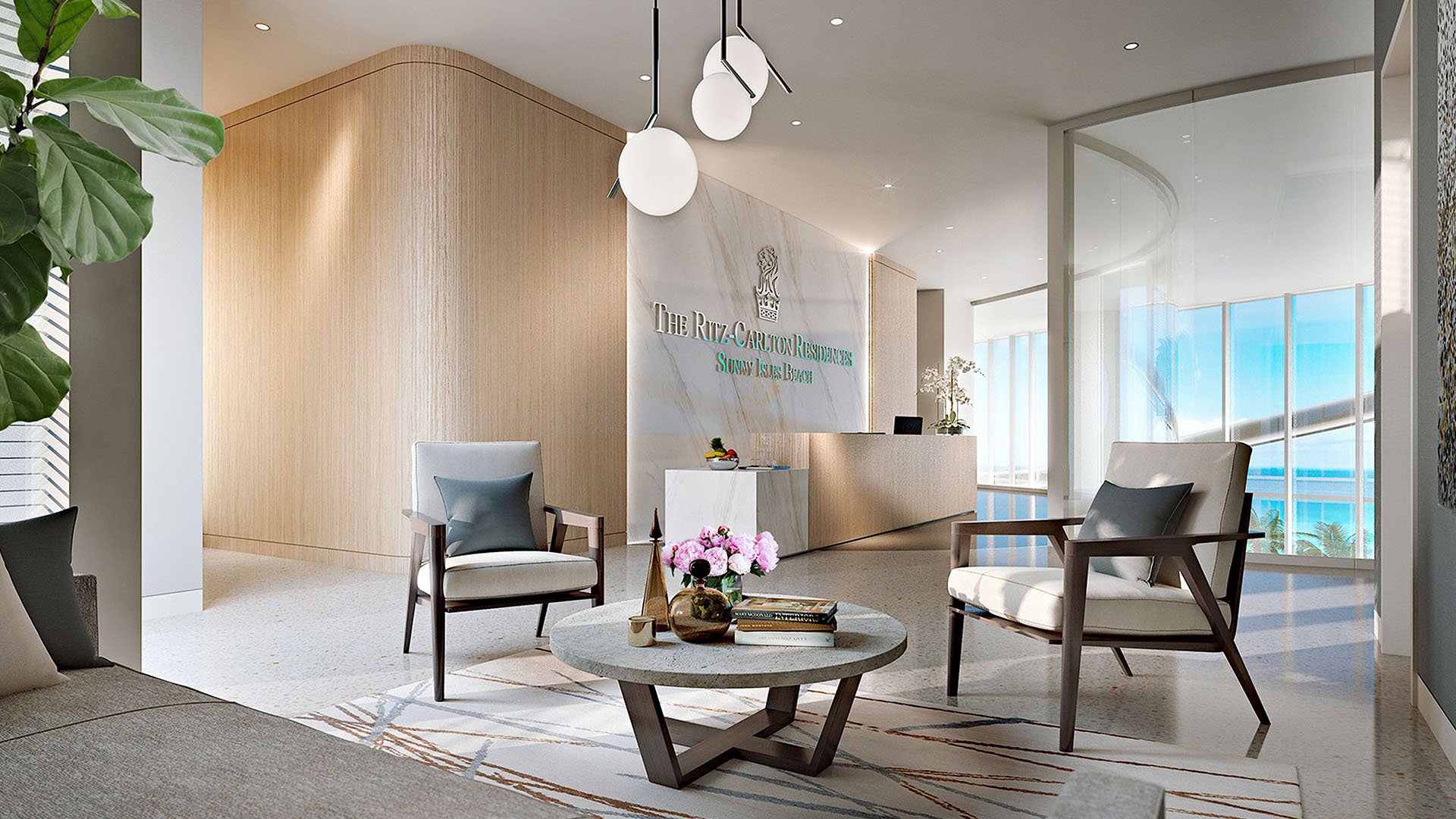
Notice the lobby. Is it calm or congested? Are residents greeted by name, or does the space feel anonymous? Do staff members appear composed, attentive, and consistent, or rushed and reactive? A building that feels gracious under routine conditions is more likely to feel stable under pressure.
Observe elevator behavior, valet rhythm, package handling, and the way guests are processed. Full-time life depends on these small sequences. If every return home feels like a hotel check-in, the experience may be impressive but not necessarily residential. If entry is discreet, efficient, and respectful, the building may better suit buyers seeking permanence.
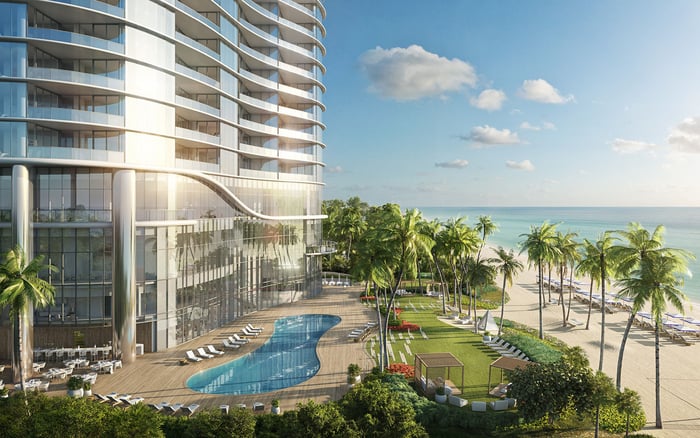
Luxury buyers often compare amenity menus, but full-time residents should study how amenities are actually used. A pool deck can be visually exceptional yet feel too social for someone seeking quiet routines. A spa or fitness area can be beautifully equipped yet difficult to enjoy if access patterns do not align with daily life.
The question is not whether a building has a pool, wellness spaces, beach service, or private dining. The question is whether those settings support your preferred cadence. Do residents linger quietly with books, gather in large groups, or use amenities primarily on weekends? Are children common in certain areas? Are dogs handled with care? Is there a visible etiquette around towels, music, phone calls, and guest presence?
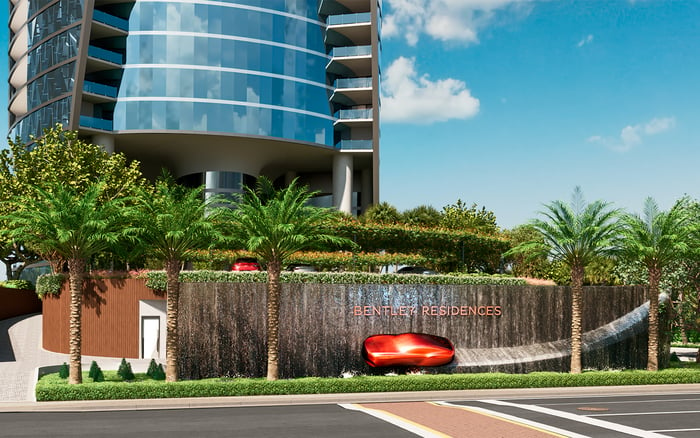
At Bentley Residences Sunny Isles, buyers may be drawn to an automotive-informed vision of privacy and arrival, while St. Regis® Residences Sunny Isles speaks to a service-forward sensibility. Those brand cues are useful, but the ultimate test remains the same: will the shared spaces feel like an extension of your home, or like someone else’s resort?
Condominium documents should not be treated as a closing formality. They are the constitution of daily life. Full-time buyers should read rules around guests, pets, renovations, deliveries, move-ins, service providers, parking, amenity reservations, noise, and leasing. The most elegant building can become frustrating if the rules conflict with household habits.
This is especially important for buyers moving from single-family homes. In a tower, even highly private residences remain part of a collective environment. If you host frequently, travel with staff, maintain multiple vehicles, entertain extended family, or expect flexible service access, the building’s rules must be compatible before the purchase is made.
The leasing profile deserves particular attention. Some buildings feel predominantly residential, while others may carry more seasonal or investor-oriented energy. A buyer seeking a year-round home should understand whether neighbors are likely to be familiar faces over time or a rotating cast. Stability does not require uniformity, but it does require a culture that values continuity.
Privacy in Sunny Isles Beach is not only about elevator access or residence size. It is about whether the building protects discretion in practice. How visible is the arrival experience? Are staff interactions polished without being intrusive? Are service corridors, parking areas, and delivery systems designed to reduce exposure? Are guests managed in a way that feels secure but not theatrical?
Full-time residents often notice privacy in ordinary moments: returning from the beach, meeting a driver, receiving a physician, bringing in a chef, or welcoming family. These moments reveal whether the building has a residential temperament or a performative one.
For some buyers, The Ritz-Carlton Residences® Sunny Isles may appeal because of its association with service discipline, while Muse Residences Sunny Isles Beach may attract those who prefer a more boutique residential feel. The right answer depends less on prestige and more on how gracefully a building handles daily intimacy.
Every condominium has a social temperature. Some buildings are club-like, with residents who know one another and gather often. Others are reserved, with a preference for quiet distance. Neither is inherently superior. The question is fit.
A buyer planning to make Sunny Isles Beach a primary home should ask simple, practical questions. Are residents generally full-time, seasonal, or mixed? Are amenity spaces used as social hubs or quiet retreats? Does the board culture seem communicative and steady? Does management respond with clarity? Are neighbors likely to value the same standards around noise, guests, and shared spaces?
This is where intuition matters, but it should be informed intuition. Spend time in common areas. Watch how residents interact with staff. Notice whether children, pets, and guests are treated as part of a civilized residential fabric or as disruptions. A strong culture accommodates real life without sacrificing order.
The condition of a building says something about its residents and governance. A well-kept lobby, clean elevators, crisp landscaping, orderly service areas, and attentive beach or pool operations all suggest a culture of care. Deferred details can signal more than cosmetic fatigue. They may indicate inconsistent oversight or resident resistance to the ongoing cost of excellence.
For full-time buyers, maintenance quality is not abstract. It affects daily dignity. The sound of a service door, the scent of a corridor, the speed of a repair, and the reliability of valet or front desk operations shape the emotional value of ownership.
Ask how communication is handled, how maintenance requests are triaged, and how residents are informed about work that affects daily routines. You are not only buying a residence. You are joining a system of decisions.
The most successful Sunny Isles Beach purchases begin with candor. A couple seeking quiet weekday routines may need a different building culture than a multigenerational family that hosts often. A frequent traveler may value lock-and-leave efficiency above social warmth. A pet owner may prioritize practical outdoor access and staff comfort with animals. A buyer with live-in help, visiting adult children, or regular private chefs should assess service access with precision.
Balcony life also deserves attention. In an oceanfront setting, terraces can become part of the daily living room. Observe neighboring balconies, sound behavior, and sightlines. The same exposure that delivers a beautiful sunrise may also place you within the visible rhythm of other households.
The best building is the one that makes your normal life feel easier, not the one that requires you to perform a lifestyle you admire from a distance.
What is building culture in a Sunny Isles Beach condominium? It is the combined daily effect of residents, staff, rules, amenity behavior, privacy standards, and management style.
Why does building culture matter for full-time buyers? Full-time residents experience the building every day, so service rhythm, noise, guest policies, and neighbor behavior become central to comfort.
How many times should I visit before purchasing? Visit more than once and at different times of day, including a weekday and a weekend if possible.
Should I prioritize amenities or how they are used? How amenities are used is often more important than the amenity list, because culture determines whether spaces feel calm, social, or crowded.
What documents should I review for lifestyle fit? Review condominium rules, leasing provisions, pet policies, renovation guidelines, guest procedures, parking rules, and amenity reservation policies.
Can a branded residence still have the wrong culture for me? Yes. Brand identity can suggest service style, but the resident mix and daily operations determine the lived experience.
How can I judge privacy before buying? Observe arrival, valet, elevator access, guest processing, delivery handling, and how staff interact with residents.
Are seasonal residents a problem for full-time living? Not necessarily. The issue is whether the building maintains continuity, order, and a residential tone throughout the year.
Should pet owners evaluate culture differently? Yes. Pet owners should study rules, elevator etiquette, outdoor access, staff comfort, and how other residents respond to animals.
What is the clearest sign of a strong residential culture? A calm, well-maintained building where staff act consistently, residents respect shared spaces, and rules support daily life.
To compare the best-fit options with clarity, connect with MILLION.
If branded residences are on your mind — as a home or as an allocation — we would be glad to share what we are seeing, privately.
Begin a quiet conversation