A discreet buyer’s guide to evaluating whether a Key Biscayne building’s day-to-day culture supports full-time luxury living, from governance and staffing to pets, rentals, quiet hours, amenities, and long-term fit.
Buying in Key Biscayne for full-time living is different from buying a seasonal retreat. The question is not only whether a residence is beautiful, the view is compelling, or the amenity deck photographs well. The deeper question is whether the building’s daily culture supports the life you intend to lead there, quietly and consistently.
A building has a temperament. Some feel residential and composed, with neighbors who know the staff, routines that rarely change, and common spaces used with restraint. Others feel more transient, more social, or more investment-driven. None of these profiles is inherently superior. The point is alignment. A buyer planning school-day mornings, regular entertaining, remote work, pets, visiting family, and year-round use needs a different environment than a buyer who appears for several winter weekends.
Treat search tags such as Key-biscayne, Oceanfront, Gated-community, Pets, and Long-term-rentals as starting points, not conclusions. The lived reality is found in the building’s rules, enforcement style, resident mix, staff continuity, and the way people occupy shared space.
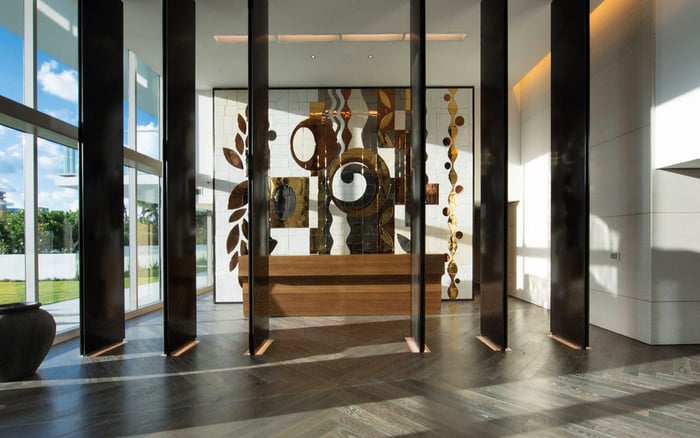
The lobby is the clearest expression of building culture. A polished lobby does not necessarily create a polished lifestyle. Visit during a weekday morning, late afternoon, weekend evening, and a holiday period if possible. Notice whether residents greet staff by name, whether deliveries are controlled, whether guests linger, and whether the entry sequence feels calm or performative.
For full-time life, lobby rhythm affects privacy. A building with steady residential circulation can feel intimate even at scale. A building with constant arrivals, luggage, vendors, and guests may still be luxurious, but the daily experience is different. Ask how the front desk handles visitors, contractors, family members, pet walkers, and drivers. The tone of those answers often reveals more than a brochure ever could.
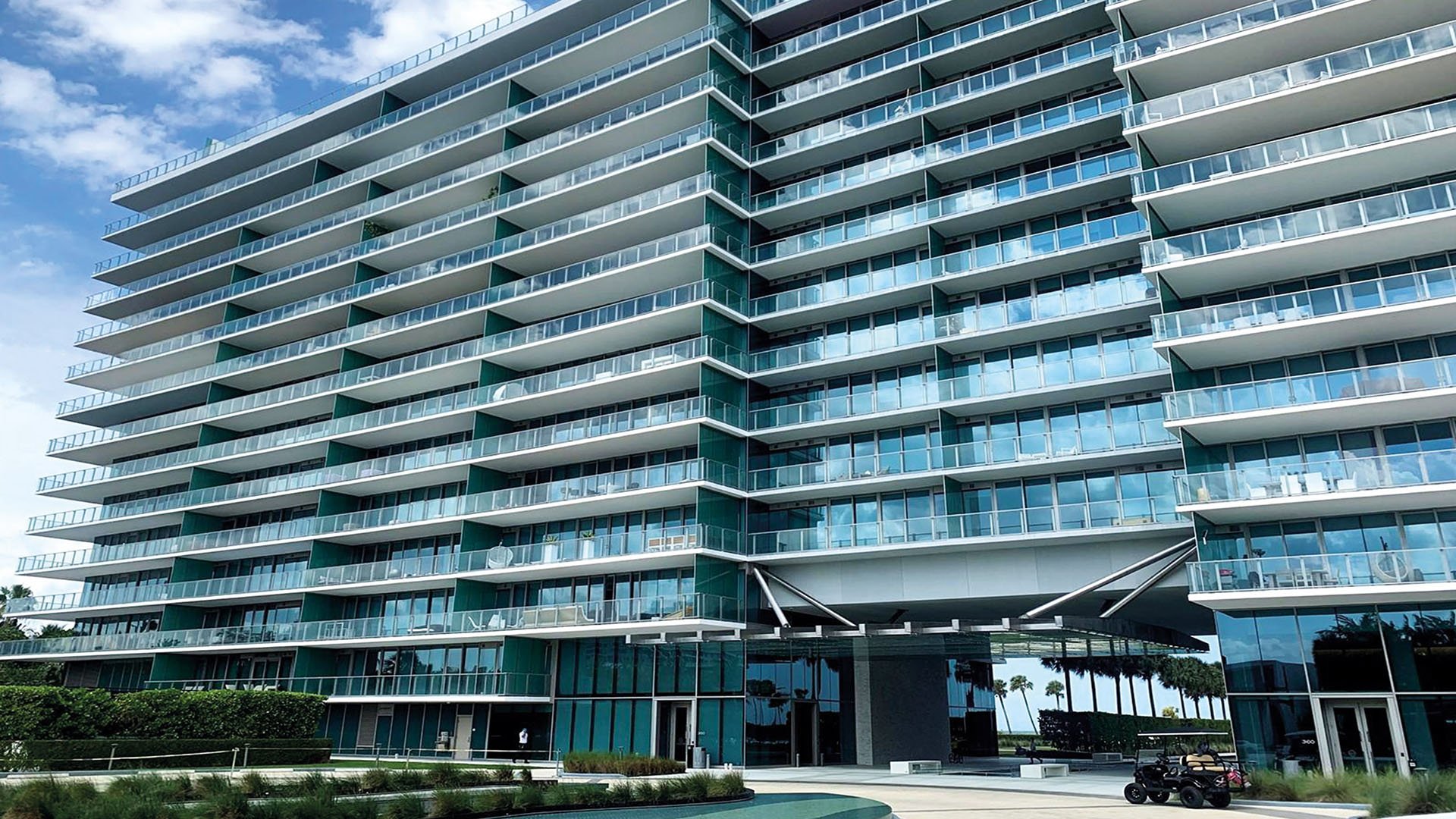
In Key Biscayne, where many buyers seek a refined residential base rather than a hotel-like stage, projects such as Oceana Key Biscayne are often considered through this lens: not only what the property offers, but how the community feels when it is fully occupied.
Condominium documents should be read as lifestyle documents, not just legal paperwork. For a full-time buyer, the most important sections usually involve leasing restrictions, guest policies, renovation procedures, pet rules, balcony use, move-in protocols, amenity reservations, package handling, and quiet hours.
The right question is not, “Are there rules?” Every serious residential building has rules. The better question is, “Are the rules compatible with how I live, and are they enforced consistently?” A building that prohibits certain behavior but rarely enforces the policy can become unpredictable. A building with clear procedures and calm enforcement can feel more gracious because expectations are understood.
Pay particular attention to renovation rules if you are buying resale. A beautiful purchase can become frustrating if neighboring renovations are frequent, loosely scheduled, or poorly managed. Ask about permitted work hours, elevator reservations, contractor access, insurance requirements, and how complaints are handled.
For a full-time buyer, the resident profile matters. Is the building primarily owner-occupied, seasonal, family-oriented, socially active, quiet, international, retiree-heavy, or investment-led? These categories can overlap, but the balance shapes daily life.
A building with many part-time owners may feel exceptionally quiet for portions of the year, then more active during peak periods. A building with more year-round residents may offer stronger neighbor familiarity and steadier committee engagement. A building with frequent rentals may provide flexibility for owners, but it can also change the tone of elevators, pool areas, and security desks.
Do not ask only the sales-facing question. Ask the practical version: who uses the gym at 7 a.m., who books the party room, who brings guests to the pool, who has dogs in the elevator, and who participates in board matters? Culture is not an abstraction. It appears in routines.
A buyer focused on Key Biscayne can learn by comparison. Fisher Island, Coconut Grove, Bal Harbour, and Surfside each suggest a different interpretation of privacy, amenity, arrival, and neighborly distance. Comparing them can clarify what feels natural.
For example, The Residences at Six Fisher Island may appeal to buyers who prioritize separation, controlled access, and an intensely private residential framework. Park Grove Coconut Grove may help buyers think about lush neighborhood living, walkable rituals, and a more urban village sensibility. Rivage Bal Harbour can frame questions around oceanfront formality, service expectations, and discreet prestige.
These comparisons are not substitutes for Key Biscayne due diligence. They are mirrors. If one model feels too isolated, too social, too formal, or too urban, that reaction helps define the building culture that will feel correct for daily life.
In luxury buildings, staff culture is resident culture in operational form. The best service environments are not merely friendly; they are steady, discreet, and empowered. Ask how long key staff members have been in place, how packages and vendors are handled, how service requests are tracked, and how security balances warmth with control.
A full-time resident will interact with staff constantly: early deliveries, dry cleaning, guests, maintenance, pets, drivers, and emergency access. Over time, the difference between scripted service and intuitive service becomes significant. The right staff does not intrude, but they notice. They protect privacy without making daily life feel rigid.
Also observe whether residents treat staff respectfully. That detail is often overlooked. A gracious building culture is defined not only by finishes, but by conduct.
Amenity lists can obscure the real question: how are the amenities used? A pool that is serene at midday may be crowded during holidays. A gym may be excellent but busy before work. A residents’ lounge may function as a quiet extension of the home, or as a recurring social venue.
Ask about reservation systems, guest limits, children’s policies, private event rules, food and beverage protocols, towel service, pool chair etiquette, and whether staff actively manages the spaces. For full-time living, predictable amenity behavior matters. You are not visiting the property; you are inhabiting it.
The same applies to elevators and parking. How long do residents wait at typical hours? Are service elevators effectively managed? Are valet and self-parking expectations clear? These daily frictions do not always appear during a showing, but they shape satisfaction over years.
Before committing, write down an ordinary week in detail. When do you wake up? Do you work from home? Do you host dinners? Do you travel often? Do family members visit for extended periods? Do you need easy dog walks, quiet mornings, staff support, storage, or private outdoor space?
Then test the building against that week. A full-time home should reduce friction. If the culture makes you feel as though you are constantly negotiating with rules, neighbors, staff, or space, the fit may be wrong even if the residence is exceptional.
This exercise is especially useful for buyers moving from single-family homes. Condominium life can be wonderfully effortless, but it requires comfort with shared governance and shared environments. The best building is the one where that sharing feels civilized rather than burdensome.
The final question is simple: would you still choose this building on an ordinary Tuesday in September, without guests, without a special event, and without the seduction of a perfect showing? If the answer is yes, the culture may be aligned.
Key Biscayne buyers often arrive with strong preferences for privacy, water, security, and a slower residential cadence. The correct building should support those preferences without requiring constant compromise. Architecture creates the setting. Culture determines whether it becomes home.
What is building culture in a luxury condominium? It is the daily pattern of resident behavior, staff style, governance, amenity use, privacy, noise, and enforcement.
Why does building culture matter more for full-time buyers? Full-time residents experience the building every day, so small frictions around guests, pets, staff, and amenities become meaningful.
How can I sense a building’s culture before buying? Visit at different times, observe the lobby and amenities, review the rules, and ask practical questions about daily operations.
Are stricter buildings always better for full-time living? Not always. The ideal building has rules that match your lifestyle and are enforced consistently without feeling oppressive.
Should I worry about rental policies? Yes. Rental flexibility can affect privacy, elevator traffic, amenity atmosphere, and the sense of neighbor continuity.
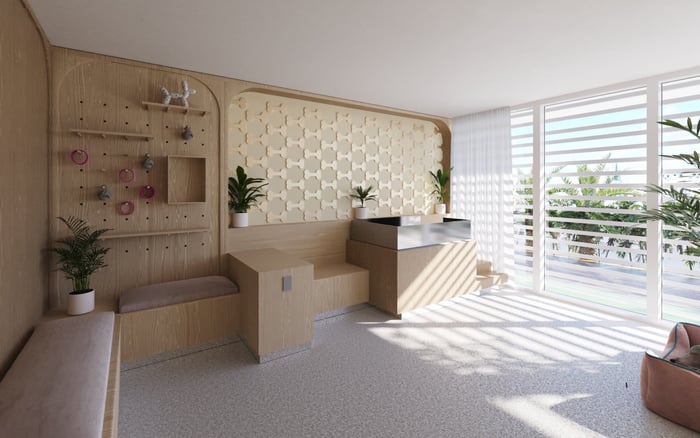
What should pet owners evaluate carefully? Review pet rules, elevator etiquette, walking routines, staff procedures, and whether the resident culture feels genuinely pet-tolerant.
How important is staff continuity? Very important. Longstanding, discreet staff can make full-time living feel smoother, safer, and more personal.
Can amenity quality be misleading? Yes. The way residents use amenities often matters more than the number or appearance of the amenities themselves.
Is Key Biscayne better for quiet full-time living than other areas? It can suit buyers seeking a calmer residential cadence, but each building must be evaluated on its own culture and rules.
What is the best final test before purchasing? Imagine an ordinary weekday in the building and decide whether the routines, people, and policies still feel like home.
For a confidential assessment and a building-by-building shortlist, connect with MILLION.
If branded residences are on your mind — as a home or as an allocation — we would be glad to share what we are seeing, privately.
Begin a quiet conversation