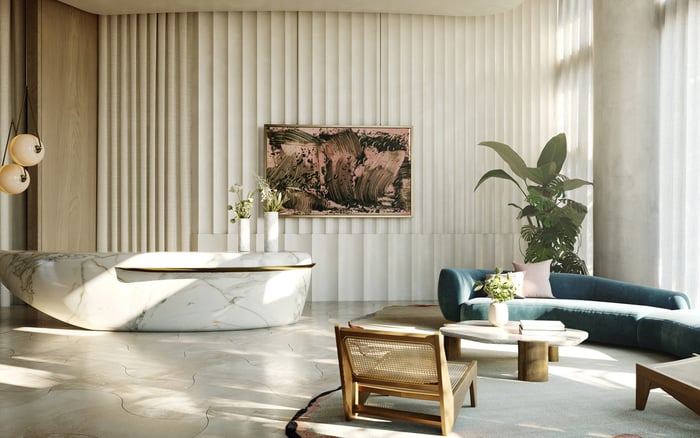
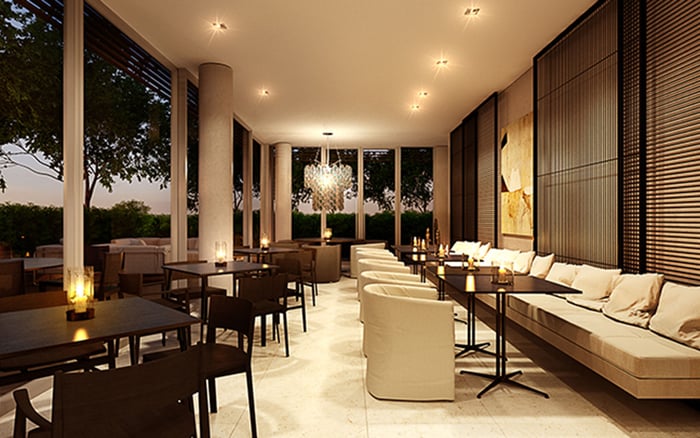
For Boston buyers, choosing in Bal Harbour is less about pursuing a universal ideal than defining the right balance of privacy, access, building culture, and ownership ease. A disciplined comparison of arrival patterns, residence orientation, amenities, and service can reveal which home best supports both quiet retreats and connected South Florida stays.

For a Boston buyer, the most productive way to approach Bal Harbour is not to treat urban convenience and beach privacy as absolutes, but to determine how often each quality must serve you. A residence can feel serene on an ordinary morning while remaining practical when a stay includes dinners, meetings, guests, or family plans.
Begin by mapping a typical visit rather than an idealized vacation. Note how you expect to arrive, where you are likely to spend time, whether you will work from the residence, and how frequently guests may join you. A buyer seeking a quiet winter base will weigh the decision differently from one anticipating a full social calendar.
This is a second-home decision as much as a real-estate decision. The right property should reduce friction upon arrival and preserve calm once the door closes.
Convenience is personal. For one owner, it means an uncomplicated transition from arrival to residence. For another, it means moving easily among dining, appointments, shopping, and the beach. Avoid reducing the question to a single distance or generalized neighborhood label.
Create a concise hierarchy of recurring needs. Separate daily priorities from occasional ones, then assign each a level of importance. The result should clarify whether you value immediate access, a quieter position, or a carefully judged compromise.
When touring, consider Rivage Bal Harbour and Oceana Bal Harbour as distinct candidates evaluated through the same personal lens. The purpose is not to assume equivalence, but to compare residence selection, arrival experience, privacy, and day-to-day usability with consistency.
Beach privacy is not a single feature. It begins inside the residence, extends to terraces and shared amenities, and continues through elevators, lobbies, arrival areas, and the route to the shoreline. Examine every layer rather than relying on an oceanfront label.
Inside a prospective home, study sightlines from primary rooms, neighboring exposure, terrace relationships, and the separation between bedrooms and entertaining areas. In common spaces, observe how residents and guests circulate. Ask how deliveries, visitors, household staff, and service appointments are handled.
Treat beach access as an operational question. Walk the entire route, note each transition between private and shared areas, and consider whether the experience would remain composed during a busy stay. Waterfront views can be compelling, but visual openness and personal seclusion are separate considerations.
Bal Harbour may be the preferred address, yet nearby alternatives can sharpen a buyer's understanding of what matters most. Comparing it with The Surf Club Four Seasons Surfside can help frame questions about atmosphere, service, and the rhythm of shared spaces. The Well Bay Harbor Islands offers another point of comparison when evaluating how a residence fits a broader lifestyle brief.
These comparisons are most useful when conducted using identical criteria. Apply the same arrival scenario, guest count, work requirements, privacy expectations, and ownership calendar to every property. This discipline prevents an impressive amenity or polished presentation from obscuring the practical differences that will shape repeated stays.
A disciplined tour should address five categories: residence, building, beach, access, and management. Within the residence, assess orientation, room proportions, storage, acoustic separation, and ease of furnishing for both private and social use. Within the building, focus on circulation, amenity placement, service protocols, and the character of common areas.
Then test the spaces rather than merely viewing them. Sit where you would have morning coffee. Stand at the terrace edge. Follow the route a guest would take. Imagine arriving with luggage, receiving a delivery, working through an afternoon, and hosting dinner that evening.
Seek clarity on the rules and responsibilities that shape ownership. Review what requires advance coordination, how guests are accommodated, and which services are included or arranged separately. The goal is a home that feels effortless without becoming impersonal.
Once the field narrows, revisit the finalists at different hours. Light, activity, sightlines, and common-area circulation can alter the emotional quality of a residence. Bring the same checklist each time and record your observations immediately after leaving.
Give greater weight to enduring attributes than to decorative presentation. Finishes can often be personalized; orientation, circulation, exposure, and the relationship between private and shared space generally define the deeper experience. The best Bal Harbour choice supports connection when desired and retreat without negotiation.
What should Boston buyers prioritize first in Bal Harbour? Define the pattern of a normal stay, including arrival, work, dining, guests, and beach time. Let that pattern guide every property comparison.
How should a buyer define city convenience? Measure convenience against recurring destinations and routines rather than a generic idea of proximity. Distinguish essential access from occasional preferences.
Is an ocean view the same as beach privacy? No. Evaluate views, neighboring sightlines, terrace exposure, amenity circulation, and shoreline access independently.
What should buyers observe during a building arrival? Notice privacy, guest handling, service circulation, and the transition from vehicle to residence. The experience should feel composed and intuitive.
How can buyers assess a terrace properly? Sit and stand in several positions while studying sightlines, neighboring exposure, and connections to interior rooms. Consider both solitary mornings and entertaining.
Should nearby communities be part of the search? They can provide useful points of comparison. Apply the same criteria so the exercise clarifies priorities rather than expanding the search without purpose.
What matters most for a lock-and-leave residence? Clear management procedures, reliable service coordination, practical storage, and an easy arrival routine deserve close attention.
How should buyers evaluate amenities? Focus on the amenities you will use and how you reach them. Placement, circulation, privacy, and operating rules may matter more than the total number offered.
When should a buyer revisit a finalist? Return at a different hour before deciding. Changes in light, activity, and shared-space use can reveal qualities missed during the first tour.
What is the clearest sign that a residence fits? It should support both active plans and private recovery without constant compromise. The ownership experience should feel natural across different types of stays.
For a discreet conversation and a curated building-by-building shortlist, connect with MILLION.
If branded residences are on your mind — as a home or as an allocation — we would be glad to share what we are seeing, privately.
Begin a quiet conversation