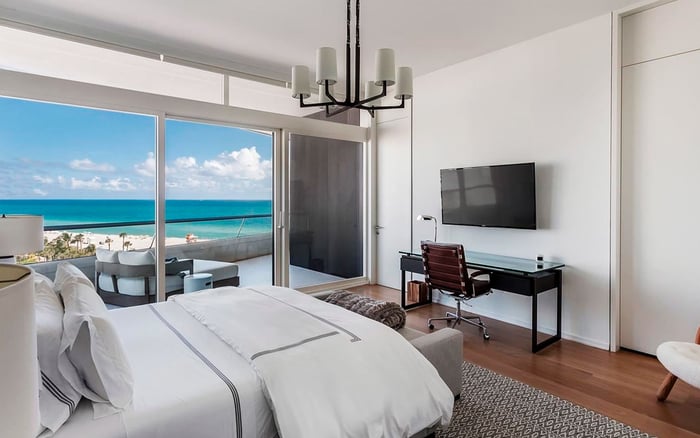
A disciplined framework for evaluating Miami Beach condominiums through resale depth, line quality, view durability, and building-level due diligence.
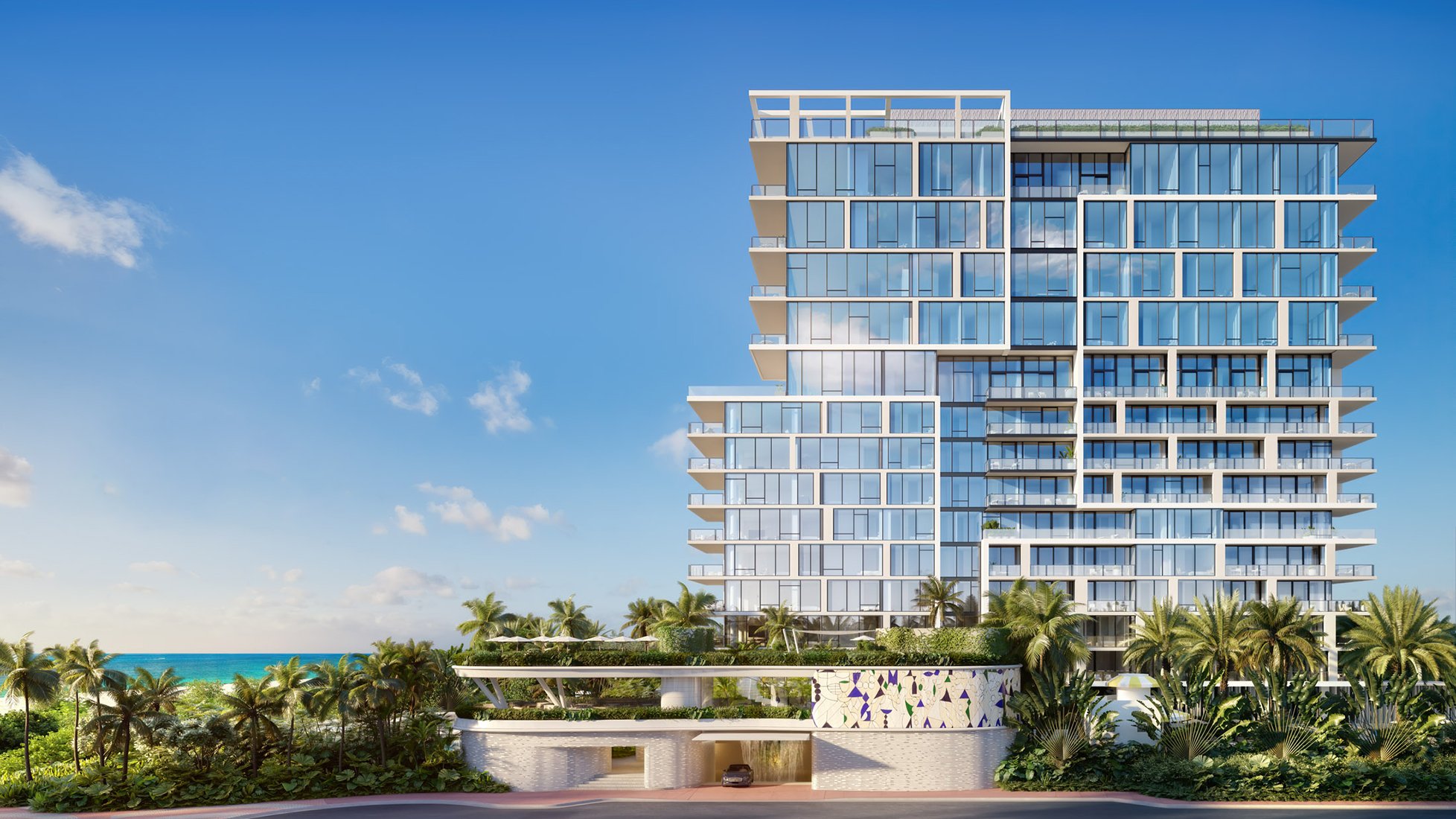
Miami Beach is not a homogeneous condominium market. Two residences in the same building can attract materially different buyer pools based on orientation, floor height, privacy, terrace usability, interior condition, and the durability of the view. For a 2026 purchase, the practical task is not simply to select a neighborhood or tower. It is to identify the residence whose attributes are easiest for a future buyer to understand and hardest for competing inventory to replicate.
Three ideas are essential: resale depth, line selection, and view scarcity. Resale depth asks how many credible buyers may want the home later. Line selection examines a unit’s recurring position within its building. View scarcity considers not only what is visible today, but how defensible that outlook may be over time.
This framework is particularly useful in Miami Beach, where apparently similar homes can deliver very different combinations of light, water exposure, privacy, and livability.
Resale depth is the breadth of likely demand for a residence at a rational future asking price. It is not the same as recent transaction volume, nor can it be reduced to a single price-per-square-foot comparison.
Begin with the probable buyer profile. A full-time resident may prioritize storage, service circulation, practical parking, and quiet bedrooms. A second-home buyer may place greater weight on immediate visual impact, manageable maintenance, and a graceful arrival. The strongest resale candidates often satisfy more than one profile without requiring unusual compromises.
Next, review the building’s competing inventory. Determine how many units share the same bedroom count, approximate scale, exposure, and terrace character. A residence can be rare within a tower even when the building has several listings. Conversely, an attractive home may face persistent substitution if many nearly identical units can come to market.
Resale analysis should also encompass the total ownership proposition: recurring charges, anticipated capital needs, insurance considerations, rental restrictions, and the ease of explaining renovations to a future purchaser. The objective is not to predict a sale date. It is to avoid buying a home whose appeal depends on a narrow audience or a uniquely favorable market.
A condominium line is the vertical stack of residences occupying the same position on successive floors. Its geometry often matters more than decorative finishes, which can be changed.
Compare lines on a marked floor plan. Trace the arrival sequence, separation between social and private rooms, bedroom proportions, the kitchen’s relationship to the view, service access, and the amount of circulation space. Look for awkward columns, exposed elevator lobbies, neighboring terraces, and rooms dependent on borrowed light. A flow-through layout may offer multiple exposures, but its value still depends on room placement and the quality of each outlook.
Then compare actual units within the preferred line. Higher floors can improve openness, yet height alone does not guarantee the best experience. A lower residence may establish a stronger connection to water or landscaping, while an upper residence may experience more terrace wind. Visit at different times when possible, assessing glare, shade, traffic sound, mechanical noise, and nighttime privacy.
Use contrasting properties to sharpen the brief. 57 Ocean Miami Beach can sit in one comparison set, while Five Park Miami Beach can help a buyer determine whether the preferred lifestyle is tied to immediate ocean proximity, an elevated urban outlook, or a particular residential format. The purpose is disciplined contrast, not superficial ranking.
A beautiful view is not automatically scarce. Scarcity depends on how many comparable residences can offer it and how vulnerable the sightline is to change.
Classify each principal exposure as direct water, oblique water, skyline, garden, streetscape, or neighboring-building outlook. Then distinguish panoramic views from framed views. A framed ocean scene may be highly compelling if the principal rooms capture it cleanly, while a broad panorama may be weakened by foreground roofs, visible service areas, or intrusive neighboring balconies.
For every water view, ask three questions: What land or structure sits between the glass and the horizon? What could physically change? Which rooms retain the view when seated? Buyers should independently review surrounding parcels, applicable rules, and available public records with qualified advisers. Marketing language is no substitute for this work.
For an oceanfront residence, also examine the practical interface with the environment. Salt exposure, wind, terrace depth, door operation, and exterior maintenance can shape daily enjoyment. Scarcity deserves a premium only when the view is both emotionally resonant and functionally usable.
A visit to Setai Residences Miami Beach may help frame expectations for an established resale setting. By contrast, The Perigon Miami Beach can serve as a reference point when considering how newer inventory may shape expectations for design, services, and future competition. Each purchase still requires unit-specific verification.
Create a one-page grid for every serious candidate. Include asking price, expected closing basis, interior scale, usable outdoor area, floor, line, exposures, bedroom privacy, parking, storage, recurring costs, condition, and visible renovation needs. Add separate scores for view beauty, view durability, layout efficiency, building fit, and resale breadth.
Do not let one exceptional feature erase several permanent weaknesses. A dramatic terrace may not compensate for compromised bedrooms. New interiors may not overcome a vulnerable sightline. A prestigious address may not broaden demand for an eccentric plan.
The grid should also enforce consistent adjustments. If one home is renovated and another is not, estimate the time, disruption, and execution risk of bringing them to a comparable standard. When considering The Ritz-Carlton Residences® Miami Beach alongside other options, apply the same core criteria rather than allowing brand recognition to replace line-level analysis.
Before committing, examine the condominium documents, financial materials, meeting records, reserve position, pending work, use restrictions, and approval process with appropriate legal, financial, engineering, and insurance advisers. Commission inspections suited to the residence and building. Confirm what transfers with the sale, including parking rights, storage, fixtures, furnishings, and any technology or service arrangements.
Finally, write a concise investment thesis for personal use. State why this exact line should remain desirable, what protects or threatens its views, who the next buyer could be, and which compromises are already reflected in the price. If the thesis cannot be expressed clearly, further diligence-or a different residence-may be warranted.
What does resale depth mean in Miami Beach? It describes the breadth of plausible future demand for a residence, considering layout, price, condition, carrying costs, and the availability of substitutes.
Is the highest floor always the best choice? No. Height can improve openness, but terrace wind, glare, noise, water connection, and price should be evaluated together.
How should buyers compare condominium lines? Compare recurring floor-plan positions for exposure, privacy, room proportions, circulation, terrace relationships, columns, and neighboring sightlines.
What makes a view genuinely scarce? A scarce view combines visual quality with limited comparable supply and a sightline that appears difficult to replicate or obstruct.
Should buyers pay more for direct water exposure? Only after assessing how the water is seen from principal rooms, how usable the terrace is, and how durable the exposure may be.
Can renovations solve a weak line? Renovations can improve finishes and some room relationships, but they rarely change orientation, structural constraints, core placement, or neighboring exposures.
Why visit a residence more than once? Light, glare, sound, wind, privacy, and traffic conditions can change substantially with the time of day and weather.
How important are carrying costs to resale? They are central because future buyers evaluate the complete ownership burden, not merely the purchase price or interior quality.
What should a buyer verify before relying on a protected view? Review surrounding parcels, physical obstructions, relevant rules, and available records with qualified advisers rather than relying on sales language.
What is the best final test before making an offer? Explain why the exact unit should appeal to multiple future buyers and identify every permanent compromise the price must recognize.
When you're ready to tour or underwrite the options, connect with MILLION.
If branded residences are on your mind — as a home or as an allocation — we would be glad to share what we are seeing, privately.
Begin a quiet conversation