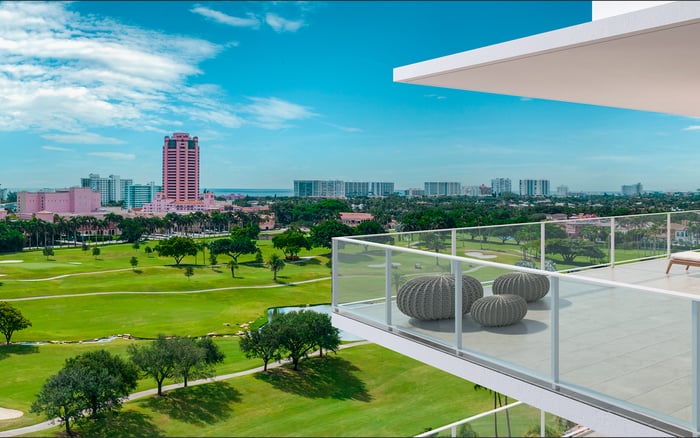
A discreet due-diligence framework for Chicago buyers assessing waterfront homes, boating needs, ownership costs, resilience, and lifestyle fit in Boca Raton.
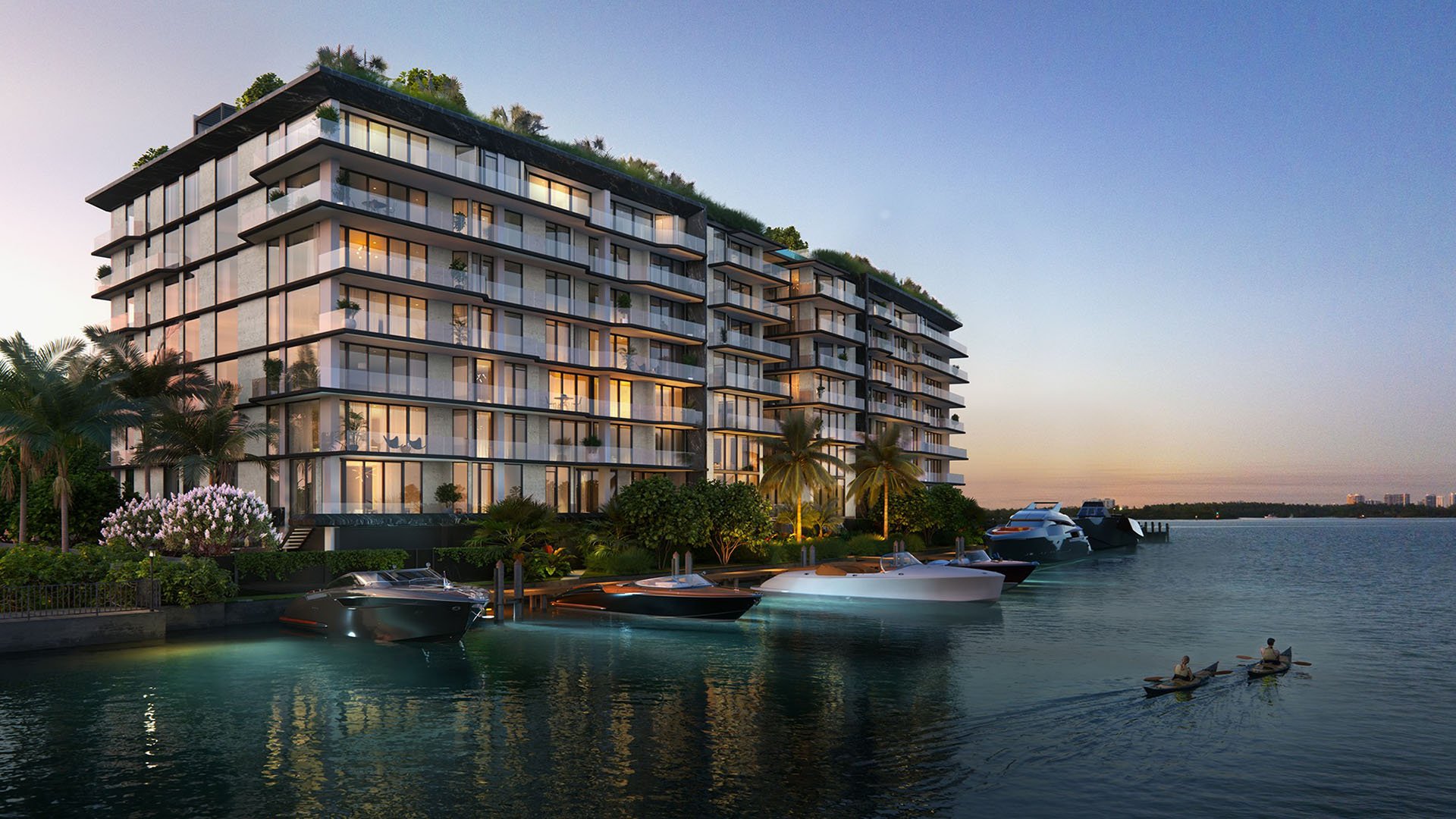
For buyers arriving from Chicago, the phrase “waterfront property” can encompass several distinctly different lifestyles. One residence may offer an expansive view without practical boat access; another may include a private dock but provide less privacy, architectural presence, or outdoor entertaining space. Before touring, determine what matters most: boating, visual serenity, beach proximity, entertaining, or a combination of these priorities.
That distinction should guide the search, not emerge after a compelling showing. Boat owners need a vessel-specific brief addressing dimensions, access, docking configuration, utilities, and the route from the property to open water. Buyers focused on scenery should assess sightlines from the principal rooms, terraces, pool area, and primary suite at different times of day.
A useful first step is to divide preferences into three categories: non-negotiable, desirable, and cosmetic. Water access and lot orientation are difficult to change. Interior finishes are not.
A waterfront acquisition demands more than a conventional home inspection. The residence, seawall or shoreline edge, dock, drainage, pool, landscaping, exterior equipment, and access points operate as an interconnected system. Each component warrants specialist attention appropriate to the property.
Ask the inspection team to distinguish routine maintenance from near-term capital work. Examine visible conditions, prior repairs, available permits, warranties, service records, and any documentation related to shoreline or dock improvements. If alterations are contemplated, qualified local professionals should assess feasibility before the buyer assumes a design can be approved or built.
Boat-slip suitability merits a separate review. Confirm that the physical configuration aligns with the intended vessel and operating preferences rather than relying on a broad description such as “boater-friendly.” A beautiful dock that does not suit the owner’s actual use is an expensive compromise.
The purchase price is only the opening figure. A disciplined budget should also account for property taxes, insurance, maintenance, landscaping, pool and dock care, security, storm preparation, and reserves for major exterior components. Waterfront exposure makes maintenance planning especially important, so buyers should request current estimates from appropriate professionals rather than extrapolate from a Chicago residence.
Address insurance early, ideally before negotiations become compressed. Coverage availability, deductibles, exclusions, required inspections, and lender conditions can materially affect the ownership plan. Cash buyers likewise benefit from understanding both the protection they are purchasing and the risks they are retaining.
Tax and residency questions belong with legal and tax advisers who understand both jurisdictions and the buyer’s broader financial structure. The purchase contract, ownership entity, estate planning, and timing of a move should be considered together rather than as isolated decisions.
A private home may offer greater control, separation, outdoor space, and the possibility of dedicated docking. It may also place more responsibility directly on the owner. Condominium living can consolidate certain operational obligations, but buyers must still assess governance, budgets, reserves, rules, services, and the practical realities of shared living.
This comparison is particularly useful while a buyer is still refining the desired level of involvement. Glass House Boca Raton can serve as one local condominium reference point, while Alina Residences Boca Raton offers another basis for considering a managed residential format.
Extend the analysis beyond waterfront labels. The Residences at Mandarin Oriental Boca Raton and Mr. C Residences Boca Raton may help buyers compare branded or service-oriented ownership with the autonomy of a standalone property. The objective is not to identify a universal winner, but to determine which model best fits daily life.
Well-staged rooms and water views can dominate a first impression. The more consequential questions often reside in the documents. Review title matters, surveys, disclosures, permits, improvement history, association materials when applicable, and the contractual treatment of furnishings, fixtures, dock equipment, and outdoor systems.
For a resale property, determine what has been updated, whether the work is documented, and which components remain original. For new-construction opportunities, focus on the contract, specifications, allowable substitutions, completion framework, warranty language, and the precise items included in the delivered residence. Renderings and model residences are no substitute for a close reading of the governing documents.
A survey and legal review can clarify boundaries, easements, encroachments, and rights affecting use. Direct questions involving docks, shoreline work, or future alterations to qualified local counsel and relevant specialists before contingency periods expire.
A coordinated team should include acquisition representation, legal review, tax planning, insurance, lending if applicable, inspections, and any marine or construction expertise the property requires. Every adviser should receive the same ownership brief, including expected occupancy, boating plans, renovation ambitions, and the desired closing timetable.
This is the central principle behind thoughtful buyer’s guides: diligence should be tailored to both the asset and the owner. A buyer seeking a seasonal retreat will evaluate staffing, remote monitoring, and arrival readiness differently from someone making Florida a primary residence.
The strongest purchase is not simply the most dramatic waterfront address. It is the property whose access, operating demands, protections, and daily rhythm remain convincing after the view has made its first impression.
Should I choose the neighborhood or the property first? Define lifestyle and access priorities first, then assess properties within the locations that support them.
Is a water view the same as usable boat access? No. Evaluate docking conditions and the intended vessel with qualified marine professionals.
When should insurance be reviewed? Begin during early diligence so coverage terms and costs can inform the offer and ownership budget.
What specialists may be needed for an inspection? The property may warrant general, structural, marine, pool, roofing, electrical, or other focused expertise.
Why review permits and improvement records? They can help the buyer understand documented work, approvals, warranties, and potential follow-up questions.
How should a Chicago buyer compare maintenance costs? Obtain property-specific Florida estimates rather than carrying forward assumptions from a northern home.
Does a cash purchase eliminate insurance concerns? No. It removes lender requirements, but the buyer must still assess coverage and retained risk.
What should condominium buyers examine? Review governance, financial materials, reserves, rules, services, insurance responsibilities, and planned work.
When should renovation ideas be tested? Test feasibility before closing when the proposed changes are central to the purchase decision.
What makes a waterfront purchase successful? Alignment among lifestyle, access, condition, operating cost, risk tolerance, and long-term ownership plans.
To compare the best-fit options with clarity, connect with MILLION.
If branded residences are on your mind — as a home or as an allocation — we would be glad to share what we are seeing, privately.
Begin a quiet conversation