A discreet buyer-focused ranking of bayfront residence profiles for those who want high-touch service, waterfront presence, and privacy without the circulation of hotel guests.
For a certain South Florida buyer, the ideal bayfront residence is not simply a water view, a broad terrace, or a glamorous lobby. It is about the rhythm of daily life: staff who anticipate, a building that feels attended rather than crowded, and a waterfront setting that never requires sharing the front door with a rotating cast of hotel guests.
This is a subtle category. It sits between the private estate and the fully branded resort. The buyer wants hospitality standards, but not hotel energy. That distinction shapes everything: arrival sequence, elevator privacy, amenity programming, valet culture, package handling, guest registration, security posture, and the way a residence feels when returning home after dinner or landing after a long flight.
In markets such as Brickell, Downtown, Edgewater, Aventura, and quieter boutique waterfront enclaves, the right fit is less about a single amenity checklist than whether the building’s service model protects residential identity. The best choices feel calm at noon, composed on a holiday weekend, and intuitive in the small moments that define ownership.
1. The Dedicated Residential Tower - strongest fit for everyday discretion
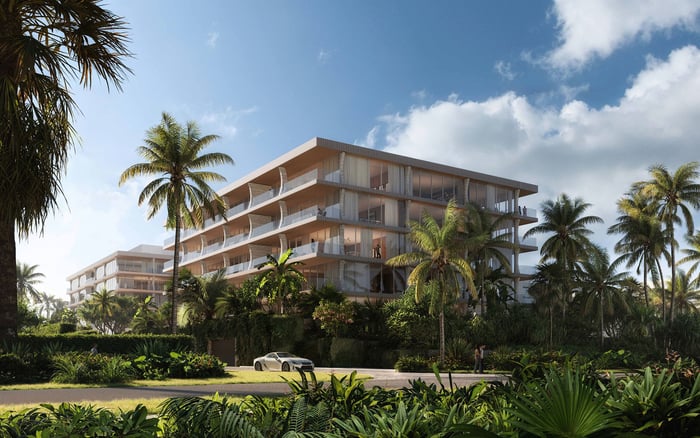
The purest choice is a bayfront condominium conceived as a private residence first. Its appeal lies in the absence of mixed guest circulation: no hotel check-in desk shaping the lobby, no transient pool culture, and no public-facing amenity rhythm competing with residents’ routines.
For buyers who value predictability, this profile offers the cleanest emotional proposition. Service can still feel polished, but the tone is residential rather than performative. The essential details to evaluate are the arrival sequence, elevator access, staff-to-resident culture, and whether common areas remain serene during peak social hours.
2. The Boutique Bayfront Building - best for low-density privacy
A boutique bayfront residence appeals to buyers who prefer recognition over scale. With fewer neighbors and a more intimate building personality, service can feel personal without becoming theatrical. This is often the buyer who values a quiet valet, a discreet front desk, and the ability to move through the building without ceremony.
The tradeoff is that smaller buildings can vary widely in amenity breadth. The question is not whether the amenity list is longest, but whether the building delivers the daily essentials beautifully: secure arrival, graceful water-facing spaces, a well-run pool environment when present, and staff who understand privacy as a luxury in itself.
3. The Bayfront Urban Residence - best for buyers who want city energy nearby
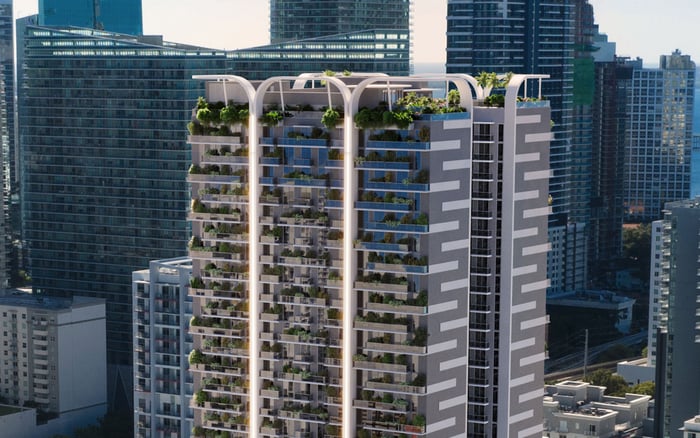
For buyers drawn to Brickell or Downtown, the most compelling bayfront residence balances urban access with interior calm. The objective is not to escape the city entirely, but to live beside it with a layer of service and water between home and the street.
This profile works when the building creates a genuine residential threshold. A buyer should feel the transition from city pace to private composure as soon as the car enters, the elevator opens, or the lobby frames the bay. The most successful version offers proximity without sacrificing the sense that home remains controlled, quiet, and distinctly separate from public life.
4. The Wellness-Oriented Waterfront Residence - best for service as daily routine
Some buyers define hospitality not through formality, but through ease. For them, the ideal bayfront residence supports mornings, recovery, fitness, and quiet entertaining. Water is not just a view; it becomes part of the routine, setting the tempo for exercise, reading, work, and unhurried meals at home.
In this category, service should make the day smoother without drawing attention to itself. The buyer should examine how amenities are positioned, whether wellness spaces feel residential rather than crowded, and whether the building encourages daily use instead of occasional display. The result should feel like a private club whose first obligation is to its residents.
5. The Lock-and-Leave Bayfront Residence - best for seasonal owners
A seasonal or second-home buyer often wants the assurance of hospitality service without the atmosphere of a hotel stay. This profile is defined by confidence: returning to a prepared residence, knowing the building is attended, and feeling that guests, vendors, and deliveries are handled with polish.
For this buyer, the key question is operational consistency. The best lock-and-leave residence makes ownership feel effortless while preserving privacy. It should support arrivals at odd hours, extended absences, family visits, and quiet weekends without turning the property into a public destination.
Hotel service is designed around turnover. Residential service is designed around memory. One is built to welcome strangers gracefully; the other is built to understand owners over time. That difference matters profoundly in a bayfront building, where amenities, elevators, arrival courts, terraces, and water-facing lounges can become either serene extensions of home or shared stages for transient use.
A private-service residence does not need to be austere. It can be warm, staffed, polished, and deeply indulgent. The distinction is control. Residents should know who is moving through the building, how guests are received, and whether the service culture protects the quiet dignity of ownership.
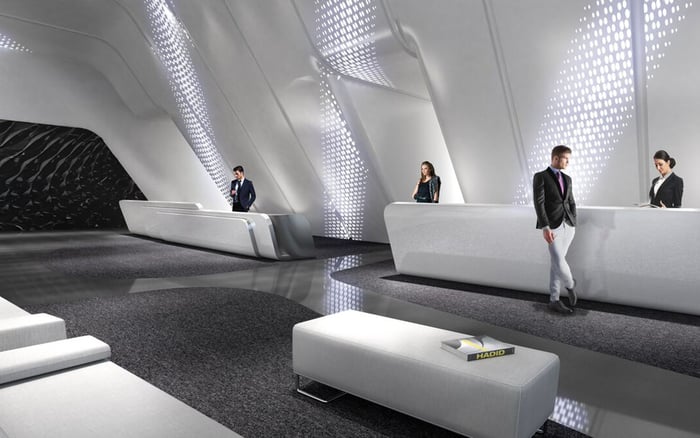
The strongest buildings make service feel embedded. Doors open at the right moment, packages appear without friction, the car is ready without a production, and staff understand the difference between attentiveness and intrusion. This is the luxury of being known, not watched.
Bayfront living adds complexity. A water view can be spectacular, but it should not distract from practical questions. How does the residence handle glare, privacy, and outdoor comfort? Does the terrace feel usable beyond photography? Is the water-facing amenity deck composed, or does it invite a resort-like tempo that may feel too public for full-time living?
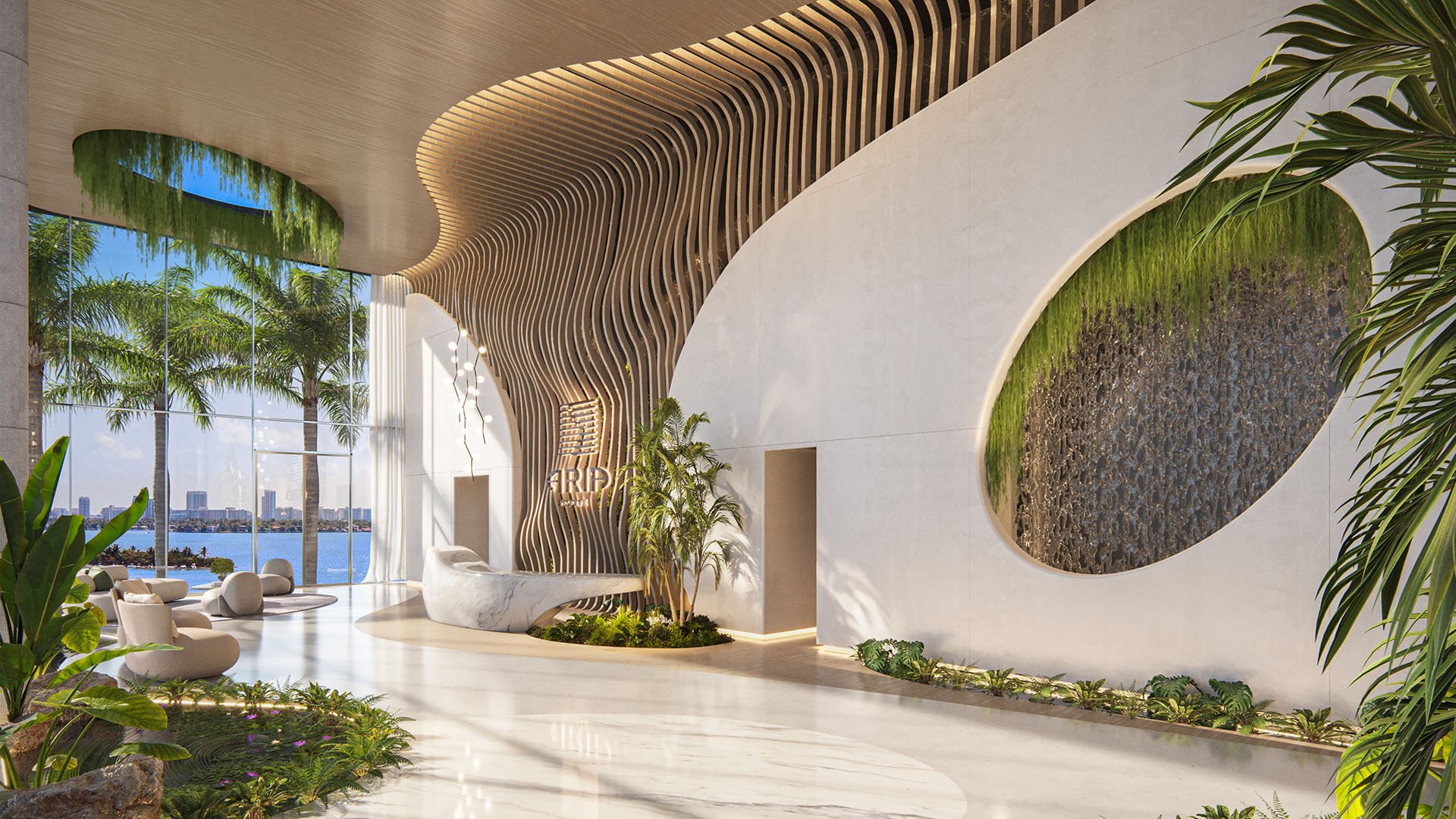
Arrival is equally important. The approach to the building should feel protected and legible. In South Florida’s premier waterfront settings, buyers often focus on architecture and finishes first, but the long-term pleasure of ownership usually depends on operational grace. A beautiful lobby matters less if it feels busy. A grand amenity deck matters less if residents cannot find calm when they want it.
For buyers comparing Brickell, Downtown, Edgewater, and Aventura, the best answer may differ by lifestyle. Some will accept more urban intensity in exchange for convenience. Others will seek lower-density waterfront living with fewer moving parts. The common thread is residential priority: the building should be organized around owners, not visitors.
Touring these residences requires a different eye. Visit at more than one time of day when possible. Notice the front desk tone, elevator wait, valet choreography, amenity atmosphere, and how the building receives non-resident guests. Listen for noise in corridors and shared spaces. Observe whether staff seem rushed or composed.
Inside the residence, consider how the bay is experienced from the rooms where life actually happens. A dramatic view from the primary suite is valuable, but the daily relationship to water from the living room, kitchen, terrace, and work areas can be more meaningful. The most satisfying bayfront homes make the water present without making the residence feel exposed.
A buyer should also separate branding from behavior. A name can signal taste, but day-to-day living is shaped by rules, staffing, resident culture, and building design. The right residence should not merely promise hospitality. It should make privacy feel effortless.
What defines a bayfront residence for this buyer profile? It is a waterfront condominium or private residence where service, privacy, and water orientation matter more than hotel-style activity.
Why avoid hotel guests in a serviced residence? Many buyers prefer predictable circulation, quieter amenities, and a residential atmosphere shaped around owners rather than transient visitors.
Is a branded residence always hotel-like? No. Some branded residences can feel highly residential, while others may carry more resort energy depending on operations and access.
What should I look for first during a tour? Study arrival, lobby calm, elevator privacy, staff tone, and whether amenities feel composed during active hours.
Does a larger amenity package mean better service? Not necessarily. The quality of service is often measured by consistency, discretion, and how well amenities remain usable.
Which areas appeal to this lifestyle? Brickell, Downtown, Edgewater, Aventura, and select quieter waterfront pockets can all work depending on the desired pace.
Is boutique living better for privacy? It can be, especially when lower density supports recognition, calmer circulation, and a more personal service culture.
How important is the pool environment? Very important if outdoor living is central to the purchase, because it often reveals whether the building feels residential or resort-like.
Should seasonal owners prioritize different features? Yes. Lock-and-leave buyers should focus on security, staff consistency, vendor handling, and confidence during long absences.
What is the biggest mistake in this category? Choosing a view or brand before understanding how the building actually operates day to day.
If you'd like a private walkthrough and a curated shortlist, connect with MILLION.
If branded residences are on your mind — as a home or as an allocation — we would be glad to share what we are seeing, privately.
Begin a quiet conversation