A buyer-focused look at how smart-lock protocols, staff access, privacy expectations, and building operations shape the lock-and-leave appeal of wellness-oriented luxury living in Brickell.
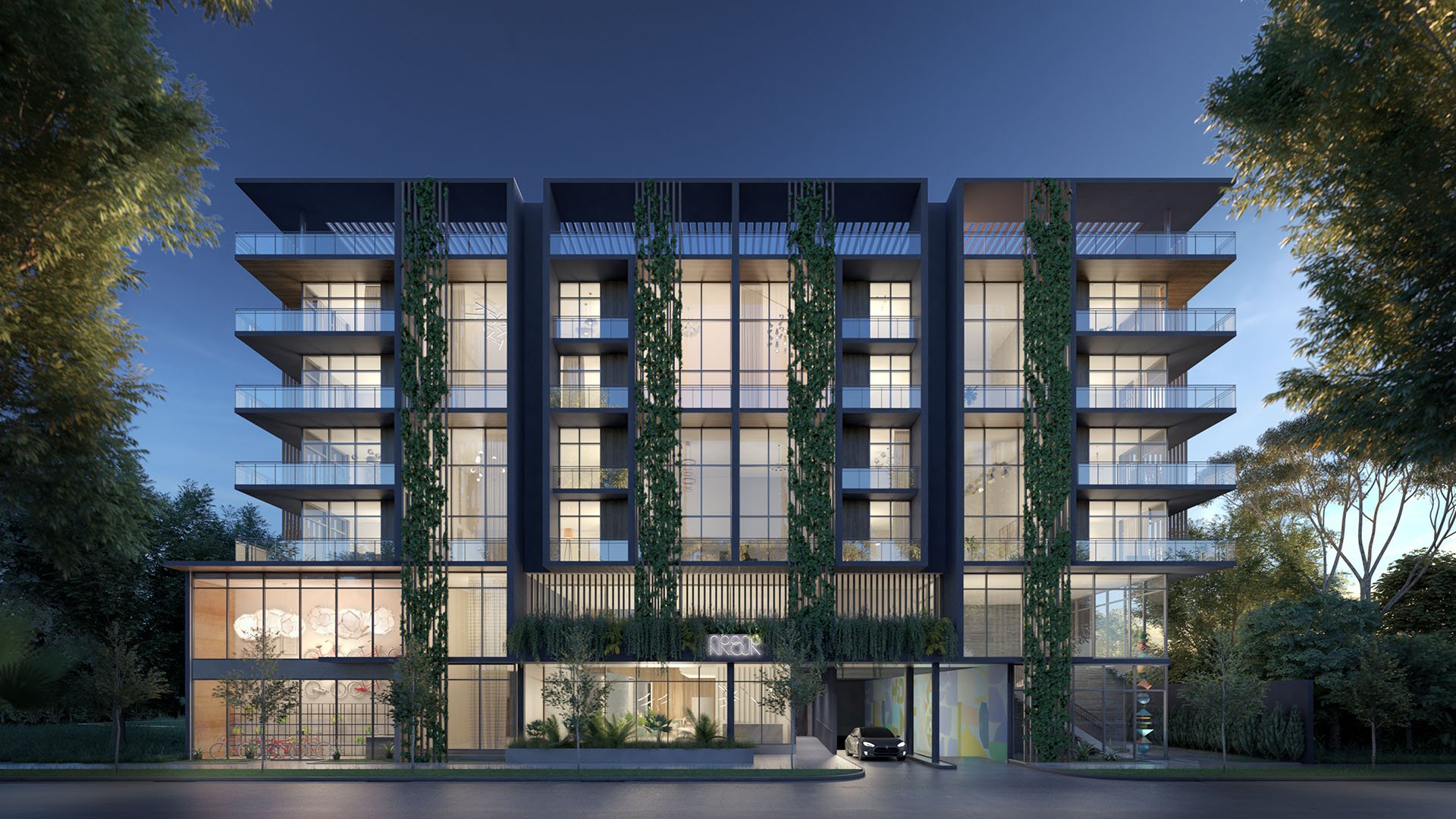
House of Wellness Brickell: The Lock-and-Leave Question Behind Smart-Lock Protocols is not simply a technology story. For the South Florida buyer, it is a question of trust. A residence may promise ease, privacy, and a serene return after weeks away, but that promise depends on the operating discipline behind every door code, visitor credential, vendor entry, and staff handoff.
In Brickell, the lock-and-leave owner is often not living casually. The residence may serve as a primary home, pied-à-terre, seasonal base, or second home tied to travel, work, family, and wellness routines. The more effortless the lifestyle appears, the more rigorous the unseen system must be. A smart lock is only the visible point of a deeper chain: building access, elevator permissions, unit-level entry, entry records, emergency overrides, package flow, dog walkers, housekeepers, massage therapists, private chefs, and visiting family.
That is why a wellness-oriented residence should be evaluated beyond spa language and amenity renderings. Wellness, at the ultra-premium level, is also about reducing friction, uncertainty, and noise. A calm home is not truly calm if the owner is wondering who entered, when access expires, or how many people can share a digital key.
Smart-lock systems can be elegant, especially for owners who travel frequently. They can allow temporary access, reduce reliance on physical keys, and create a clearer record of entries than traditional methods. Yet the buyer’s due diligence should begin with a more important question: who controls the rules?
A sophisticated building should have a written policy for guest access, staff access, vendor access, emergency entry, lost-device scenarios, and owner authorization. That policy should also clarify whether access is controlled solely at the residence door or coordinated through the lobby, parking, elevators, amenity areas, and service routes. A unit-level smart lock may be useful, but it is incomplete if building-level movement is handled informally.
Buyers should ask how temporary credentials are created and revoked. They should understand whether a housekeeper receives access for a single window, a recurring schedule, or an open-ended period. They should ask whether building staff can see or manage unit access and whether the owner can review entry activity. These are not technical curiosities. They are lifestyle questions, privacy questions, and sometimes investment questions.
For new-construction and pre-construction buyers, the smart-lock conversation belongs early, not after closing. Sales galleries tend to emphasize finishes, views, wellness amenities, and hospitality. The lock-and-leave buyer should also ask for the practical architecture of daily life.
Key questions include whether the residence is delivered with an integrated smart-lock system, whether the system can be changed by the owner, whether it works during internet interruptions, and how emergency power affects access. Buyers should also ask whether the lock is tied to a broader resident app and whether that app includes guest registration, package notices, service requests, and amenity reservations.
The privacy layer is equally important. A luxury owner may not want every vendor arrival to feel like a public event. There should be a discreet path for approved service providers, but discretion should not mean lack of accountability. The ideal standard is quiet control: low-drama access that leaves a clear trail.
The most revealing part of a lock-and-leave building is how it handles people who are not owners. That includes household staff, drivers, wellness practitioners, stylists, pet care providers, contractors, and family offices. In Brickell, where many residences serve highly mobile owners, the building’s service culture can define the experience more than any single amenity.
A buyer should ask whether staff members are pre-registered, whether background requirements exist for recurring vendors, and whether access can be limited by floor, elevator, unit, or time of day. The goal is not to make life difficult. The goal is to prevent a convenience feature from becoming a loose access environment.
There is also a social dimension. In a building that markets wellness, staff circulation should feel composed and unobtrusive without becoming opaque. Residents should not feel surrounded by service traffic, yet they should also know the building is not improvising when outside professionals arrive.
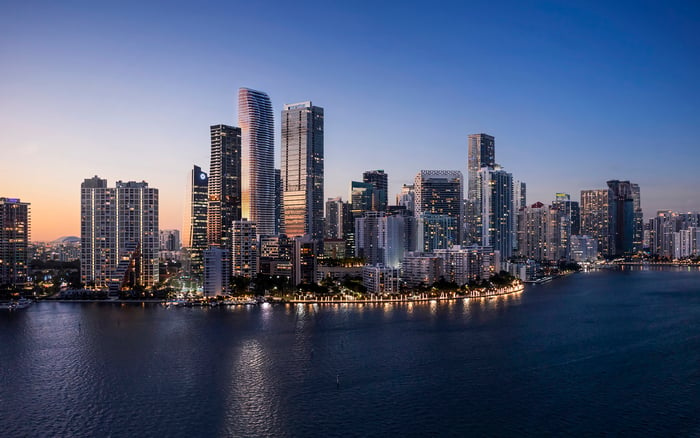
Brickell’s luxury market is dense, vertical, and internationally oriented. Buyers often compare the neighborhood with waterfront enclaves, island addresses, and quieter boutique districts. That comparison places extra pressure on operations. A tower in Brickell cannot rely only on views and finishes. It must make urban living feel controlled.
This is where the lock-and-leave question becomes central. A high-floor residence may feel private once the doors close, but the journey to that door passes through valet, lobby, concierge, elevators, corridors, and digital systems. The owner’s sense of security is built in layers. If one layer feels casual, the entire experience feels less refined.
Wellness branding also deserves a discerning eye. Buyers may compare names and concepts across the region, including The Well Coconut Grove, when considering how wellness is expressed in residential life. The important distinction is not the vocabulary. It is whether the building’s operations support rest, privacy, and predictability.
A serious buyer should request clarity on access governance. Who can issue digital credentials? Who can override them? How quickly can they be canceled? What happens if a phone is lost, a staff member leaves, or a vendor shares access? How are guests handled when the owner is abroad? What is the protocol for emergency maintenance inside a residence?
The best answers are specific. Vague assurances may sound polished but are not enough for a lock-and-leave purchase. Buyers should seek written policies, demonstrations of the resident access flow, and a clear explanation of how the building balances hospitality with control.
Insurance, estate planning, and household management may also intersect with access. A residence used by multiple family members or managed by an assistant requires a different protocol than a one-owner primary home. If the property will sit vacant for stretches, recurring checks, leak detection, climate monitoring, and approved-entry logs become part of the ownership experience.
The irony of smart living is that the best system is often the one the owner barely notices. It should not create a burden of constant notifications, code changes, app updates, and troubleshooting. It should make the residence feel ready, protected, and calm.
For the Brickell buyer, the smart-lock question is therefore not whether technology exists. It is whether technology has been absorbed into a mature residential protocol. A true lock-and-leave home should let the owner depart without anxiety and return without friction. That is the quiet standard behind modern wellness luxury.
What should a smart-lock protocol cover? It should cover owner control, guest access, staff permissions, vendor entry, emergency overrides, and how credentials are revoked.
Why does lock-and-leave matter in Brickell? Many Brickell buyers travel frequently or use residences seasonally, so secure and predictable access is essential to everyday ease.
Is a smart lock enough for luxury security? No. A smart lock should be part of a broader system that includes lobby procedures, elevator access, staff rules, and building oversight.
What should second-home buyers ask first? They should ask who can enter the residence when they are away, how access is documented, and how quickly permissions can be changed.
How does wellness relate to access control? Wellness is partly about calm living, and calm living depends on privacy, reliable operations, and reduced uncertainty.
Are app-based keys always better than physical keys? Not always. They can be more flexible, but only if the building has clear rules for device loss, sharing, expiration, and emergency access.
What is the biggest risk with vendor access? The main risk is open-ended or poorly tracked permission, especially when multiple service providers enter over time.
Should buyers review access policies before closing? Yes. Access policies should be understood before commitment, particularly in luxury buildings marketed around convenience and service.
Can smart-lock rules affect investment value? They can influence perceived quality, owner confidence, and ease of management, all of which matter in the ultra-premium market.
What defines the best lock-and-leave experience? The best experience is quiet, controlled, and nearly invisible, allowing owners to leave and return without operational stress.
To compare the best-fit options with clarity, connect with MILLION.
If branded residences are on your mind — as a home or as an allocation — we would be glad to share what we are seeing, privately.
Begin a quiet conversation