Ahead of the 2026 Fort Lauderdale International Boat Show, a discerning residence-readiness review should distinguish documented backup-power coverage from assumptions about cooling, elevator access, refrigeration, and communications.
The 2026 Fort Lauderdale International Boat Show runs October 28-November 1 across six Fort Lauderdale venues. For owners planning a stay around the event, the calendar provides a practical deadline for reviewing the residence itself. The objective is not merely to confirm that a generator exists, but to understand how daily life would function if utility power were interrupted.
Cooling, elevator access, refrigeration, and communications each require a separate answer. A polished presentation is no substitute for a documented operating scope. For a high-value home, readiness means knowing which services are covered, which remain uncertain, and who can explain the distinction before guests arrive.
The central question is straightforward: what does backup power actually support in this residence? Treat the answer as property-specific due diligence, not a feature inferred from price, branding, or architectural stature.
Preview Day is Wednesday, October 28, from noon to 7 p.m. From Thursday, October 29, through Saturday, October 31, show hours are 10 a.m.-7 p.m.; Sunday, November 1, runs 10 a.m.-5 p.m. These hours provide a practical framework for arrivals, household briefings, and contact arrangements.
Before that first afternoon, consider asking the residence manager to assemble a concise readiness file. It should identify who is responsible for answering backup-power questions, what operating documentation is available, and the household's priorities during an interruption. These are planning suggestions, not technical specifications.
For buyers comparing Andare Residences Fort Lauderdale with other residential options, the same questions belong in the purchasing conversation. Request the applicable documentation rather than treating a general mention of emergency power as a promise of uninterrupted comfort within the private residence.
Begin with an inventory of desired services. Separate private living spaces from shared building areas, and distinguish essential access from discretionary convenience. Then ask the responsible property team or a qualified professional to identify which services the installed system is intended to support.
A useful written response should address cooling, elevators, refrigeration, and communications individually. It should also specify any operating limitations and identify who has authority to manage the system. If an answer is conditional, retain that condition in the household plan rather than reducing it to a reassuring yes.
Do not select a generator size, promise a fuel duration, or assume a permitting outcome from a general preparedness checklist. Those decisions require property-specific professional assessment. The buyer's role is to obtain clear answers and determine whether the documented service level matches the residence's intended use.
Frame the cooling discussion around specific spaces rather than the broad phrase whole-home backup. Ask whether private living areas are included, which rooms are covered, and whether the proposed operation carries restrictions. Have the appropriate professional explain any restart procedures rather than improvising them.
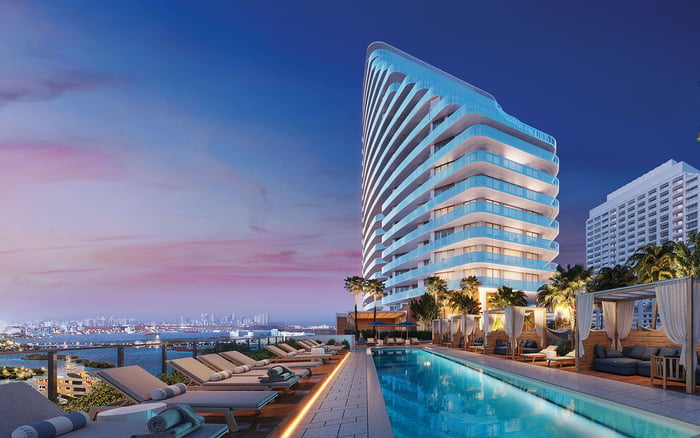
For a Fort Lauderdale Beach comparison that includes Four Seasons Hotel & Private Residences Fort Lauderdale, keep service expectations and technical coverage as separate lines of inquiry. Neither a hospitality identity nor a luxury address establishes the cooling scope of a particular home.
Owners can sharpen the discussion by describing their intended occupancy: a brief personal visit, guests staying through the show, or a longer seasonal stay. These scenarios help define the questions; they do not establish what any building can deliver.
Elevator readiness warrants its own written explanation. Ask whether any elevator service is available during a utility interruption, under what conditions it may operate, and what residents should do when normal access is unavailable. Do not assume emergency power means ordinary passenger service continues unchanged.
Be explicit about how the household would reach its residence. Request the building's resident instructions and ask management to explain any access limitations relevant to the intended stay. Elevator operating modes and emergency-power requirements must be confirmed for the specific property.
A buyer considering Sixth & Rio Fort Lauderdale can include these questions in a broader access review without presuming any particular backup capability. The goal is a clear understanding of access, not an undocumented assurance that every vertical journey will remain routine.
Refrigeration is both a generator-scope question and a household-preparedness task. Identify the appliances that matter to the planned stay, then ask which are included in the documented backup arrangement. Do not treat every refrigerator or freezer in the residence as covered without confirmation.
Before a storm, turn refrigerators and freezers to their coldest settings to help preserve food if power is lost. During an outage, keep their doors closed. Afterward, check food for spoilage rather than assuming restored electricity means everything inside remains suitable to serve.
For an owner preparing to entertain during show week, distinguish the desired hospitality experience from the verified refrigeration plan. Keep that plan accessible to whoever oversees the kitchen, so an interruption does not leave staff or guests relying on assumptions.
Review communications separately from appliance coverage. Ask which household communications equipment, if any, falls within the backup-power scope, and what alternatives the household should consider if its usual channels become unavailable. A powered device is not a guarantee of service.
Consider a non-cordless, non-mobile telephone as part of outage preparedness, because mobile or cordless service may be unavailable. Update the phone number and email address associated with the household's utility account. During an outage, turn off and disconnect electronic equipment to help prevent possible damage.
Have the appropriate professional explain how those precautions apply to the residence's installed equipment. The aim is a clear communications plan, not an improvised battery-backup configuration or a promise that every connection will remain available.
Household preparedness should account for up to 14 days without running water or electricity. That is not a requirement for 14 days of generator runtime, nor does it establish any residence's fuel autonomy. Keep household preparedness and equipment performance distinct.
When assessing St. Regis® Residences Bahia Mar Fort Lauderdale or another prospective home, apply the same disciplined questions regardless of presentation. Request property-specific confirmation before assigning value to backup-power coverage or relying on it for a future stay.
Before show week, consolidate the answers into one concise household brief: confirmed services, unresolved questions, responsible contacts, and resident instructions. The most persuasive readiness plan is not the longest equipment description. It is the clearest account of what the household can reasonably expect.
For a considered approach to Fort Lauderdale residential ownership, explore MILLION.
If branded residences are on your mind — as a home or as an allocation — we would be glad to share what we are seeing, privately.
Begin a quiet conversationThe show runs October 28–November 1, 2026, across six Fort Lauderdale venues.
Preview Day is Wednesday, October 28, from noon to 7 p.m.
Thursday through Saturday, October 29–31, hours are 10 a.m.–7 p.m. Sunday, November 1, runs 10 a.m.–5 p.m.
Request separate answers for cooling, elevator access, refrigeration, and communications. Ask for property-specific documentation and explanations of any operating limitations.
Do not assume it does. Ask which private spaces are covered and have any operating restrictions explained by the appropriate professional.
No. Request the property's resident instructions and confirmation of whether elevator service is available and under what conditions.
Turn them to their coldest settings before a storm to help preserve food during a power loss. Confirm appliance backup coverage separately.
Keep refrigerator and freezer doors closed during the outage. Check food for spoilage afterward.
No. Planning for up to 14 days without running water or electricity is a household-preparedness recommendation, not a generator-runtime requirement.
Consider a non-cordless, non-mobile telephone and update utility-account contact details. Turn off and disconnect electronic equipment during an outage to help prevent possible damage.