Waterfront due diligence at The Ritz-Carlton Residences® Fort Lauderdale should trace each shoreline asset from legal ownership and use rights to maintenance duties, reserve funding, and potential assessments.
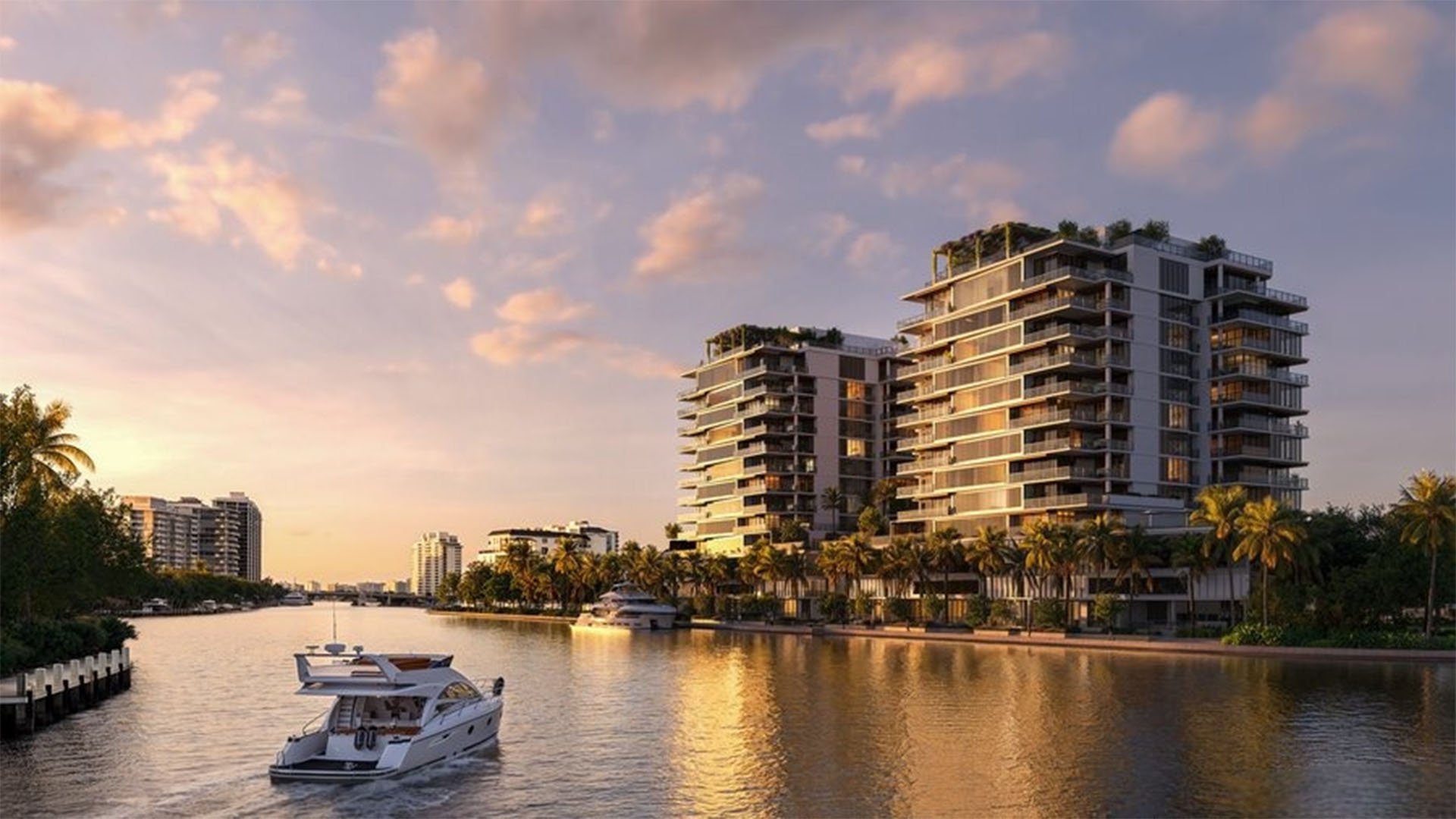
At The Ritz-Carlton Residences® Fort Lauderdale, the most consequential waterfront question may not be whether a residence enjoys a compelling relationship with the water. It is who owns each shoreline component, who may use it, who must maintain it, and how the resulting expense reaches individual owners.
That inquiry matters across Fort Lauderdale Beach, where marine infrastructure can sit within a more intricate legal and financial framework than lobbies, pools, landscaping, or other familiar condominium assets. Broad association coverage may include common-area maintenance, insurance, amenities, management, parking, and utilities. Those categories alone do not determine responsibility for a seawall, dock, boat slip, or dredging.
The decisive waterfront amenity is not merely access, but a clear allocation of responsibility.
For buyers comparing branded residences, including Four Seasons Hotel & Private Residences Fort Lauderdale, this is a transferable due-diligence principle rather than a conclusion about any particular property.
Florida condominium law generally places maintenance of common elements with the association. A declaration can, however, assign maintenance of a limited common element to the unit owner entitled to use it. The classification of a seawall, dock, or slip is therefore foundational.
A common-element seawall typically falls within the association's maintenance authority, with owners participating economically through the budget, reserves, regular assessments, or a special assessment. A limited common-element slip may follow another formula. If maintenance is assigned to the user, the slip holder could bear costs that owners without slips do not. Separately owned property introduces a different analysis altogether.
The declaration is only the beginning. The deed, plat, survey, property lines, easements, and recorded maintenance agreements should confirm where ownership actually rests. Some waterfront plats place a boundary at or near the seawall. Others dedicate a shoreline strip to an association, district, or another entity. No universal assumption resolves that distinction.
A seawall review should connect physical condition with financial preparedness. A qualified marine professional can inspect for cracking, cap deterioration, soil loss, drainage issues, displacement, and other evidence that repairs may be approaching. The objective is not simply to label the structure good or poor, but to understand the likely work, timing, access, and cost exposure.
The association's reserve funding should then be compared with the seawall's age and observed condition. A seemingly comfortable operating budget does not establish whether sufficient capital has been set aside for waterfront infrastructure. If funding is inadequate, owners may face increased regular contributions or a future special assessment.
Municipal expectations add another layer. Fort Lauderdale requires property owners to keep seawalls in good repair, even though condominium documents may allocate the expense internally. The public obligation and the private payment formula are related, but they are not the same question.
Dredging can be easy to overlook because the need lies below the waterline. Work that restores a canal to its previously permitted depth may qualify as maintenance rather than a new improvement. That characterization remains subject to the governing documents and applicable permits.
A buyer should identify the relevant water area, its permitted depth, the party with authority to undertake work, and the party obligated to pay. The documents should also address whether costs are shared with a hotel, marina, neighboring parcel, or another third party. In a mixed-use setting, the residential association may not be the only entity with rights or responsibilities.
Meeting minutes deserve particular attention for references to sediment, navigability, permit discussions, engineering proposals, bids, or cost-sharing negotiations. None proves that an assessment is inevitable. Together, however, they can reveal whether dredging is a remote possibility, an actively managed maintenance matter, or an unresolved obligation.
Dock use and dock liability should never be treated as synonyms. A right to use a dock or slip does not, by itself, establish ownership of the underlying structure or responsibility for maintenance. The relevant provisions may distinguish among pilings, decking, utilities, lifts, electrical service, insurance, and damage caused by an individual user.
This distinction is useful when assessing other Fort Lauderdale options, from St. Regis® Residences Bahia Mar Fort Lauderdale to Auberge Beach Residences & Spa Fort Lauderdale. Project names, settings, and service models do not substitute for each property's recorded documents. Nor should a buyer assume that owners with no boating interest are necessarily insulated from dock-related expenses. That depends on the classification and allocation language.
Once responsibility is identified, trace how it is funded. Review the current budget, reserve schedules, recent assessment history, insurance treatment, contracts, engineering materials, and board minutes. Look for a dedicated marine-infrastructure reserve, recurring maintenance line items, prior repairs, pending proposals, and any reliance on future assessments.
The most revealing comparison is often among the legal obligation, the physical condition, and the money available. If the association owns a common seawall, has a duty to maintain it, and holds reserves that appear misaligned with its condition, the economic risk may be greater than the headline monthly charge suggests. Conversely, disciplined inspection, maintenance, and funding can make waterfront obligations more legible.
For buyers, this three-part test is essential: identify the asset, identify the responsible party, and identify the funding mechanism. It converts broad association language into a more precise view of ownership cost.
Before committing, buyers should assemble the declaration and amendments, survey, title records, plat, easements, maintenance agreements, association budget, reserve information, assessment history, insurance materials, recent meeting minutes, and relevant permits. Any hotel, marina, neighbor, or third-party cost-sharing arrangement should be documented rather than inferred.
Legal review should test the classification and allocation provisions. A title professional should confirm boundaries, ownership, easements, and recorded agreements. A marine engineer should evaluate physical condition and prospective maintenance. Where dredging is relevant, the permitted depth and authorization pathway should also be verified.
The result should be a clear written map of four points: who owns the infrastructure, who uses it, who maintains it, and who ultimately pays. For an ultra-premium purchase, that clarity is part of the asset itself.
For discreet guidance on South Florida waterfront residences, connect with MILLION.
If branded residences are on your mind — as a home or as an allocation — we would be glad to share what we are seeing, privately.
Begin a quiet conversationThe condominium association generally maintains common elements. Owners ultimately fund that work through budgets, reserves, regular assessments, or special assessments.
Yes. If the declaration assigns maintenance of a limited common element to its user, the slip holder may bear costs that do not apply to other owners.
No. General fee categories do not determine dredging responsibility; the governing documents, permits, and recorded agreements must be reviewed.
Work restoring a canal to its previously permitted depth may qualify as maintenance, subject to governing documents and applicable permits.
A review should examine cracking, cap deterioration, soil loss, drainage problems, displacement, and other signs that repair work may be approaching.
Reserves should be evaluated against the seawall's age and condition. Inadequate funding can increase the risk of higher contributions or a special assessment.
Yes. Documents may allocate duties among a residential association, hotel, marina, neighboring parcel, district, or another third party.
Review the deed, plat, survey, property lines, easements, title records, declaration, and recorded maintenance agreements together.
No. Use rights, ownership, and maintenance duties are separate questions that must be resolved through the controlling documents.
A condominium attorney, title professional, and marine engineer can assess legal allocation, ownership boundaries, permits, and physical condition.